
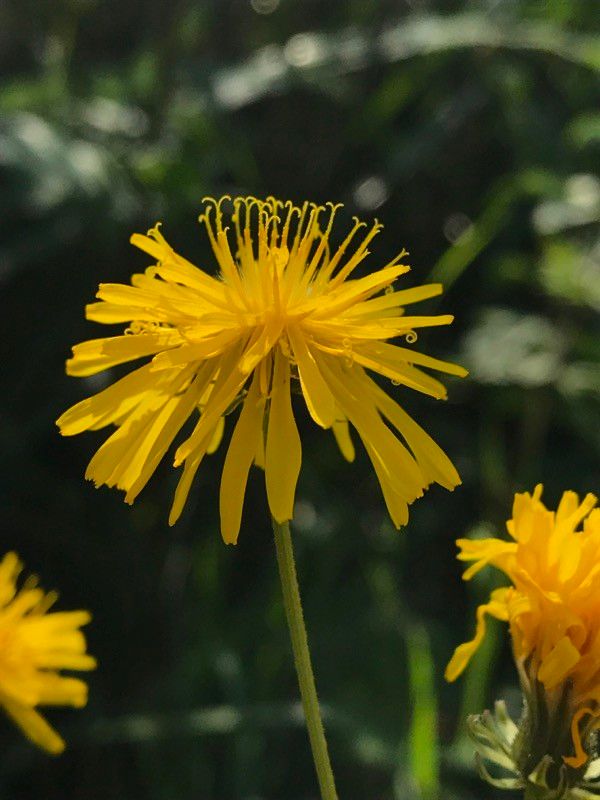
Taming the Wild: Propagating Smooth Hawksbeard (Crepis capillaris)
Smooth Hawksbeard, also known by its scientific name Crepis capillaris, often finds itself relegated to the “weed” category. This unassuming plant, with its delicate dandelion-like flowers and feathery foliage, is actually surprisingly charming and can bring a touch of wild beauty to gardens, especially those embracing a more naturalistic aesthetic. If you’re intrigued and want to encourage its presence, propagating smooth hawksbeard is surprisingly easy. Let’s dive into the how-tos:
Understanding the Life Cycle: A Key to Success
Smooth Hawksbeard is an annual plant, meaning it completes its entire life cycle in a single growing season. This knowledge is key to understanding its propagation. Here’s a breakdown:
Flowering and Seed Production: In spring and early summer, smooth hawksbeard produces an abundance of small, yellow, dandelion-like flowers. These flowers eventually give way to fluffy seed heads, each containing numerous seeds attached to silky parachutes for wind dispersal.
- Natural Seeding and Germination: The seeds easily disperse with the wind, settling into the soil where they germinate under favorable conditions of moisture and warmth. This natural reseeding process ensures the continuation of the plant in the wild and can result in numerous seedlings popping up around the parent plant.
Two Simple Methods for Propagation:
Now that you understand the life cycle, let’s explore how you can encourage smooth hawksbeard to flourish in your garden:
1. Direct Sowing:
- Timing is Everything: For best results, directly sow seeds in either spring or fall when the soil is workable and temperatures are moderate.
- Location, Location, Location: Choose a sunny or partially shaded location with well-drained soil. Smooth hawksbeard isn’t too picky and can tolerate a range of conditions.
- Simply Scatter: Sprinkle the seeds thinly over the prepared area, gently pressing them into the soil.
- Water Gently: Keep the soil consistently moist until the seeds germinate, which usually takes around 1-2 weeks.
- Thinning Out: Once the seedlings emerge and are a few inches tall, thin them out to about 6-8 inches apart to give them space to grow.
2. Transplanting Seedlings:
If you find an abundance of smooth hawksbeard seedlings popping up in your garden (a common occurrence!), you can easily transplant them to desired locations:
- Dig Carefully: Gently loosen the soil around the seedling with a trowel, being careful not to damage the delicate roots.
- Replant and Water: Carefully lift the seedling, ensuring you get as much of the root system as possible, and replant it at the same depth in its new location. Water it in well to help it establish itself.
Caring for Your Smooth Hawksbeard:
Once established, smooth hawksbeard is remarkably low-maintenance. Here are a few tips:
- Watering: Water regularly during dry periods, but avoid overwatering as it can lead to root rot.
- Fertilizer: In most cases, smooth hawksbeard doesn’t require fertilizer. However, if your soil is particularly poor, you can amend it with compost before planting.
- Deadheading: If desired, deadhead (remove spent flowers) to prevent excessive self-seeding and encourage bushier growth.
From Weed to Welcome Guest:
Propagating smooth hawksbeard is a simple way to invite this charming wildflower into your garden. Its delicate beauty, ease of care, and fascinating life cycle make it a rewarding and engaging plant to grow, reminding us that sometimes the most overlooked plants can bring the most unexpected joy. So why not give it a try? You might be surprised at how much you enjoy the subtle charm of Smooth Hawksbeard in your own backyard.