
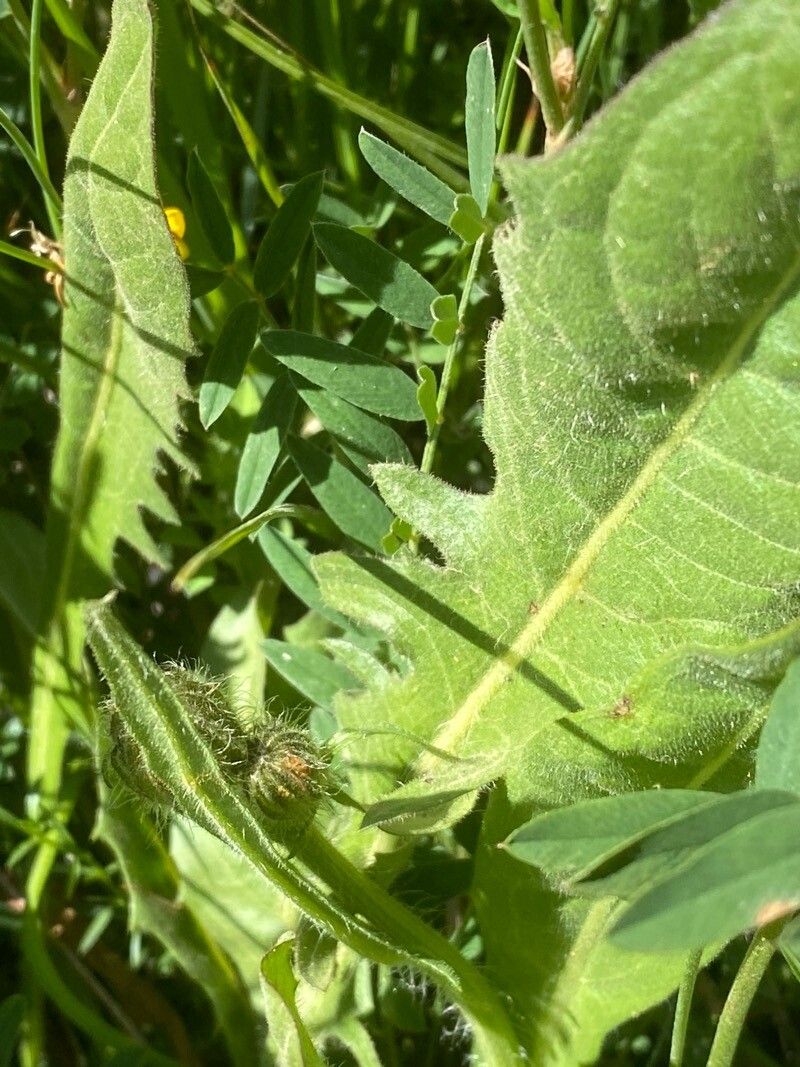
Taming the Wild Beauty: How to Propagate Crepis conyzifolia
Crepis conyzifolia, also charmingly known as Hawksbeard, may not be as familiar a name as roses or tulips, but this wildflower offers a unique charm with its sunshine-yellow blooms and delicate foliage. If you’ve stumbled upon this beauty and wish to welcome more of its kind into your garden, you’re in the right place. While propagating Crepis conyzifolia might sound intimidating, it’s surprisingly straightforward, even for beginners. Let’s explore the two most common methods:
Method 1: Seed Propagation – Embracing the Element of Surprise
Crepis conyzifolia generously produces seeds after its flowering period, typically in late summer or early fall. These seeds are nature’s little surprises, holding the potential for a diverse array of blooms.
Here’s what you need to get started:
- Gather Your Supplies: You’ll need a seed tray or small pots, seed-starting mix, a watering can with a fine rose, and of course, your Crepis conyzifolia seeds.
- Sowing the Seeds: Fill your chosen container with the seed-starting mix, moisten it evenly, and sprinkle the seeds on the surface. Don’t bury them deeply; a light pressing into the soil is enough.
- Creating the Right Environment: Crepis conyzifolia seeds prefer a period of cold stratification to mimic natural winter conditions. Place your container in a refrigerator (not freezer!) for 4-6 weeks.
- Awakening the Seeds: After stratification, bring your container out and place it in a bright location, out of direct sunlight. Keep the soil consistently moist but not waterlogged.
- Transplanting Time: Once your seedlings have developed a few sets of true leaves, they are strong enough to be transplanted outdoors after the last frost. Choose a spot in your garden with well-drained soil and ample sunshine.
Method 2: Division – Multiplying Your Floral Treasures
If you already have a thriving Crepis conyzifolia, division is an excellent way to create more plants quickly.
Here’s how to do it:
- Timing is Everything: Early spring or fall is the ideal time for division when the plant is actively growing but not stressed by extreme temperatures.
- Digging In: Carefully dig around the base of the plant you wish to divide, ensuring you don’t damage the roots.
- Divide and Conquer: Gently loosen the soil around the roots and use a sharp, clean knife or spade to separate the plant into smaller sections, each with a good amount of roots and foliage.
- Replanting: Choose a sunny spot in your garden with well-drained soil and plant your divisions at the same depth as the original plant. Water them well and be sure to keep the soil consistently moist.
A Few Tips for Success:
- Crepis conyzifolia prefers well-drained soil, so amend your garden bed with compost or other organic matter if necessary.
- Provide regular watering, especially during the first growing season, but avoid overwatering, which can lead to root rot.
- This wildflower is quite resilient and doesn’t usually require fertilizers, but a light application of balanced fertilizer in the spring can be beneficial.
Propagating your own Crepis conyzifolia is a rewarding experience that allows you to multiply these cheerful blooms and add a touch of wild beauty to your garden. Whether you choose to start from seed or divide existing plants, follow these simple steps, and soon you’ll be enjoying an abundance of these cheery yellow flowers. Happy gardening!