
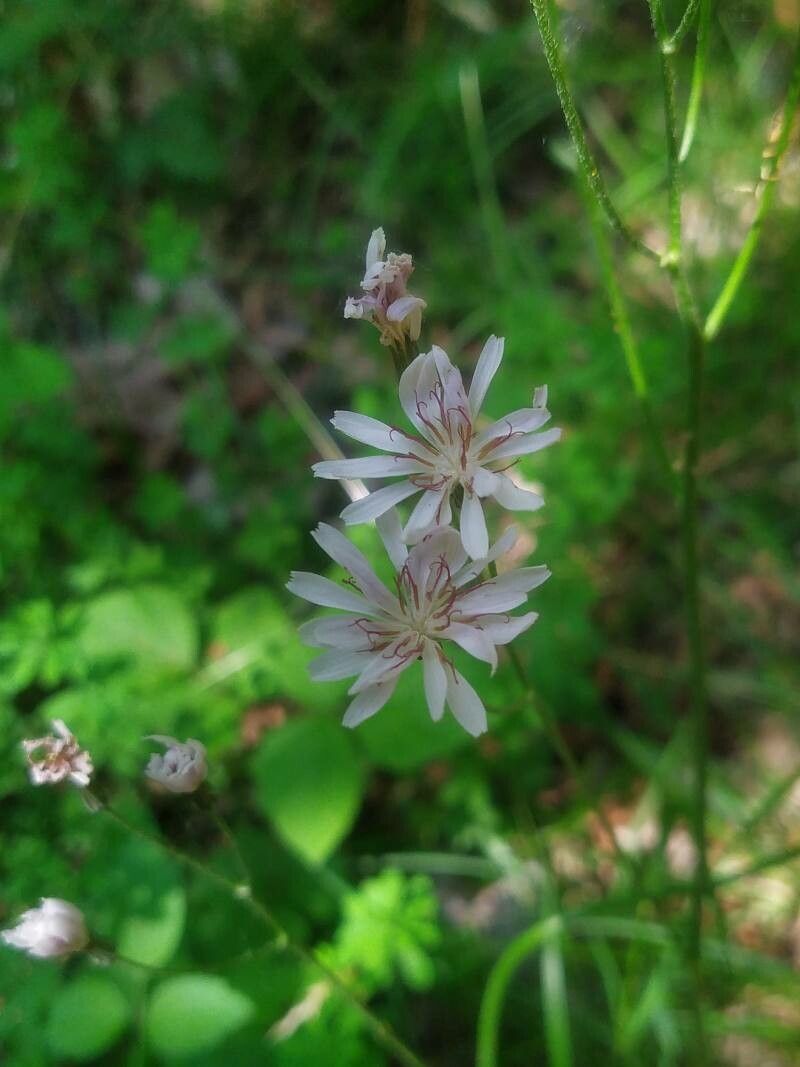
Unleashing the Power of Seeds: Propagating Crepis froelichiana – A Guide for Green Thumbs
Crepis froelichiana, also known as the “Sand Lettuce,” is a captivating wildflower that graces meadows and fields with its vibrant yellow blossoms. If you’re intrigued by this captivating bloom and want to introduce it to your own garden, propagation is the key. While this plant can be a bit tricky to cultivate, mastering the process of growing Crepis froelichiana from seed opens the door to a rewarding experience.
Why Propagate from Seed?
There are several reasons why starting with seeds might be the best approach for Crepis froelichiana:
- Abundance: This method allows for ample growth, as a single flower head can produce a significant number of seeds.
- Diversity: Seed propagation allows for the emergence of plants with unique traits, making it an exciting and dynamic process.
- Cost-effectiveness: While some specialized cultivars are available commercially, propagating from seed is a budget-friendly option for bringing this stunning plant to your garden.
The Art of Seed Collection
To successfully propagate Crepis froelichiana, the journey begins with collecting seeds. Once the flowers fade, fluffy seed heads emerge, resembling miniature dandelion clocks. These delicate structures contain numerous small, brown seeds. Here’s how to gather them:
- Wait for maturity: Ensure the seed head is completely dried and brown.
- Gentle harvesting: Carefully pluck the seed head and place it in a paper bag. Shake the bag to release the seeds.
- Allow to dry: Store the seeds in a cool, dry location for a few days to ensure they are fully mature.
Sowing Seeds: A Guide for Success
The time to sow Crepis froelichiana seeds depends on your climate. This plant thrives in cooler temperatures, typically preferring spring or fall for optimal growth.
Direct Sowing: Direct sowing seeds in the garden is a common method, especially in cooler climates. Spread the seeds sparingly on prepared soil, lightly cover them with soil (approximately ¼ inch), and keep the ground consistently moist.
- Starting indoors: In colder climates, starting seeds indoors is a helpful strategy. Use seed trays filled with a well-draining seed-starting mix, leaving a space between each seed. Cover them lightly, water gently, and place the trays in a sunny location.
Nurturing your seedlings
Crepis froelichiana seedlings are delicate and require careful attention:
- Watering: Keep the soil consistently moist but not soggy. Overwatering can lead to root rot.
- Sunlight: These plants require ample sunlight to thrive.
- Thinning: Once seedlings emerge, thin them out leaving the strongest plants.
Transplanting
Once the seedlings have developed a few sets of true leaves, they are ready for transplanting. Select a location with well-drained soil and full sun.
- Timing: Transplant in the early evening or on a cloudy day to minimize stress on the young plants.
- Space: Allow adequate space between each plant for proper growth.
- Water well: Give the newly transplanted plants a generous watering to help them establish roots in their new home.
Enjoy the Blooms!
Crepis froelichiana is known for its resilience, but remember to provide proper care, including watering during periods of drought, to ensure its continued thriving. Your patience will soon be rewarded with a profusion of vibrant yellow blooms, adding a touch of wild beauty to your garden space.
Conclusion
Propagating Crepis froelichiana from seed is an enjoyable and rewarding journey. By patiently following these steps and providing consistent care, you can unveil the enchanting beauty of this wildflower, bringing a touch of nature’s artistry into your own garden. The process of cultivation, from seed collection to the blossoming of vibrant flowers, is an experience that honors the wonder of the natural world, encouraging a deeper connection with the intricate beauty of plant life.