
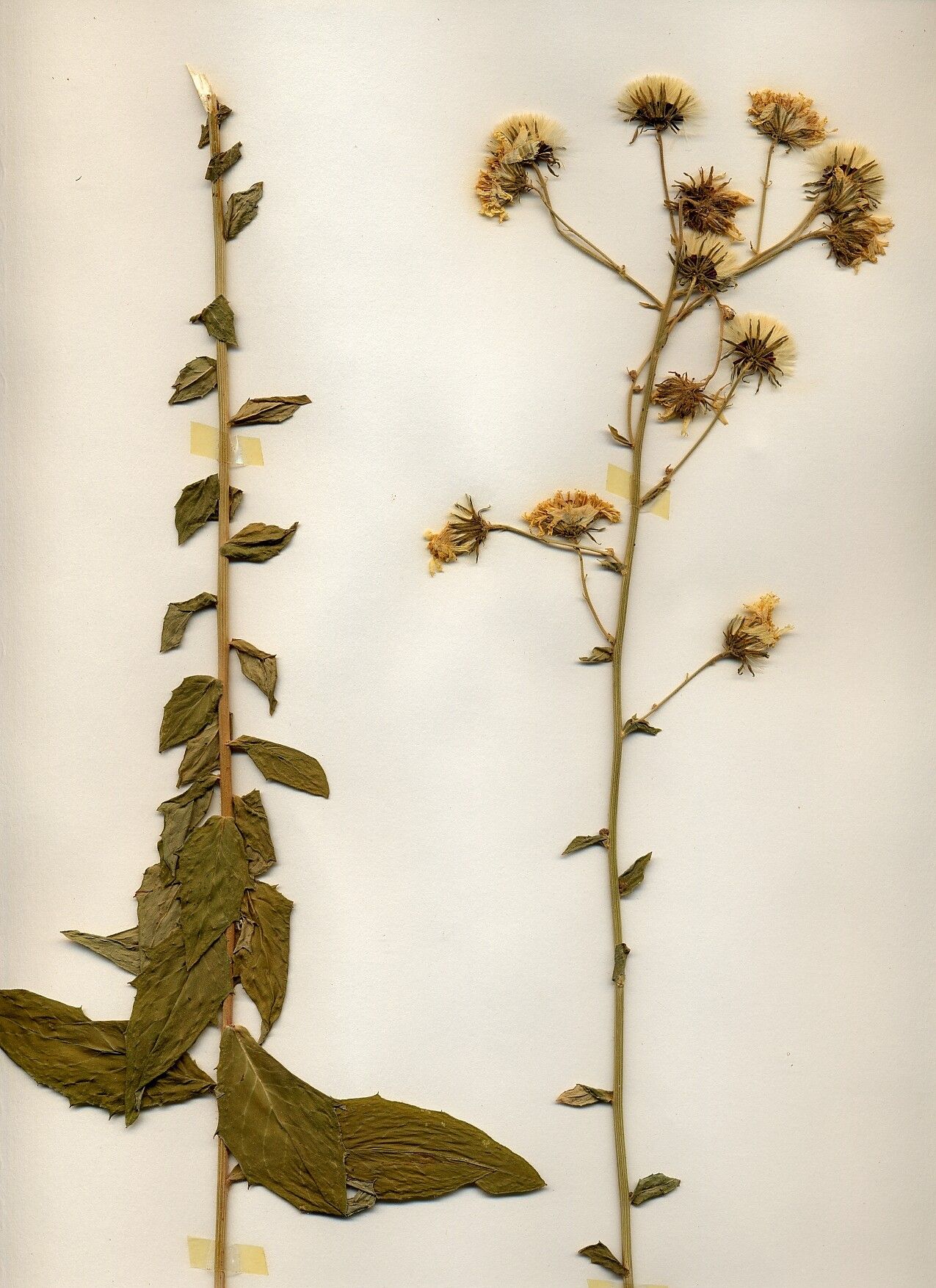
Taming the Wildflower: Propagating Western Hawksbeard (Crepis occidentalis)
The Western hawksbeard, or Crepis occidentalis, might not be the first plant that comes to mind when you think of cultivating a garden. With its sunny yellow blooms and delicate dandelion-like seed heads, this wildflower might seem better suited to meadows and roadsides. But don’t let its unassuming nature fool you – with a little know-how, the Western hawksbeard can thrive in your backyard, bringing a touch of untamed beauty to your landscape.
Seed Starting: Embracing the Wild Side
The most common method for propagating Western hawksbeard is through seeds. These little powerhouses of life are contained within the fluffy seed heads, just waiting for the right conditions to sprout. Here’s how to give them a head start:
- Collecting Seeds: Keep an eye on your Western hawksbeard plants in late spring or early summer. As the flowers fade, the seed heads will mature, turning from a soft green to a light brown. Gently pluck the seed heads and store them in a paper bag in a cool, dry place until you’re ready to sow.
- Sowing Time: Western hawksbeard seeds prefer cooler temperatures for germination. Sow them directly outdoors in the fall or start them indoors 6-8 weeks before the last expected frost.
- Sowing Indoors: Choose a well-draining seed starting mix and sprinkle the seeds over the surface. Lightly press them in, ensuring they have good contact with the soil but are not buried deeply. Mist the soil with water and cover the tray with a clear lid or plastic wrap to maintain humidity. Place the tray in a bright location but out of direct sunlight.
- Sowing Outdoors: Select a spot with full sun to partial shade and well-drained soil. Loosen the soil and scatter the seeds evenly over the surface. Lightly rake them into the top layer of soil, ensuring they are not buried deeply. Water gently.
Division: Sharing is Caring
For established plants, division is another effective propagation technique. This method involves separating a mature plant into smaller sections, each with its own roots and crown.
- When to Divide: The best time to divide Western hawksbeard is in early spring or fall when the weather is cooler.
- The Process: Carefully dig up the plant, ensuring you get as much of the root system as possible. Using a sharp, clean knife or garden shears, divide the plant into sections, making sure each section has a good amount of roots and shoots attached. Replant the divisions in their new locations, ensuring the crown is level with the soil surface. Water thoroughly.
Care and Maintenance: Embracing its Resilient Nature
Western hawksbeard is a relatively low-maintenance plant once established.
- Watering: While it appreciates regular watering, especially during dry spells, it’s essential to avoid overwatering.
- Sunlight: Full sun to partial shade is ideal, mimicking its natural habitat.
- Soil: Well-drained soil is crucial for healthy growth.
Enjoy the Wild Beauty
Propagating Western hawksbeard, whether by seed or division, is a rewarding experience. It’s a chance to invite a piece of wild beauty into your garden, observe its fascinating life cycle, and enjoy the cheerful yellow blooms that herald the arrival of warmer days. So, why not try your hand at cultivating this charming wildflower? You might be surprised by the resilience and beauty it brings to your garden.