
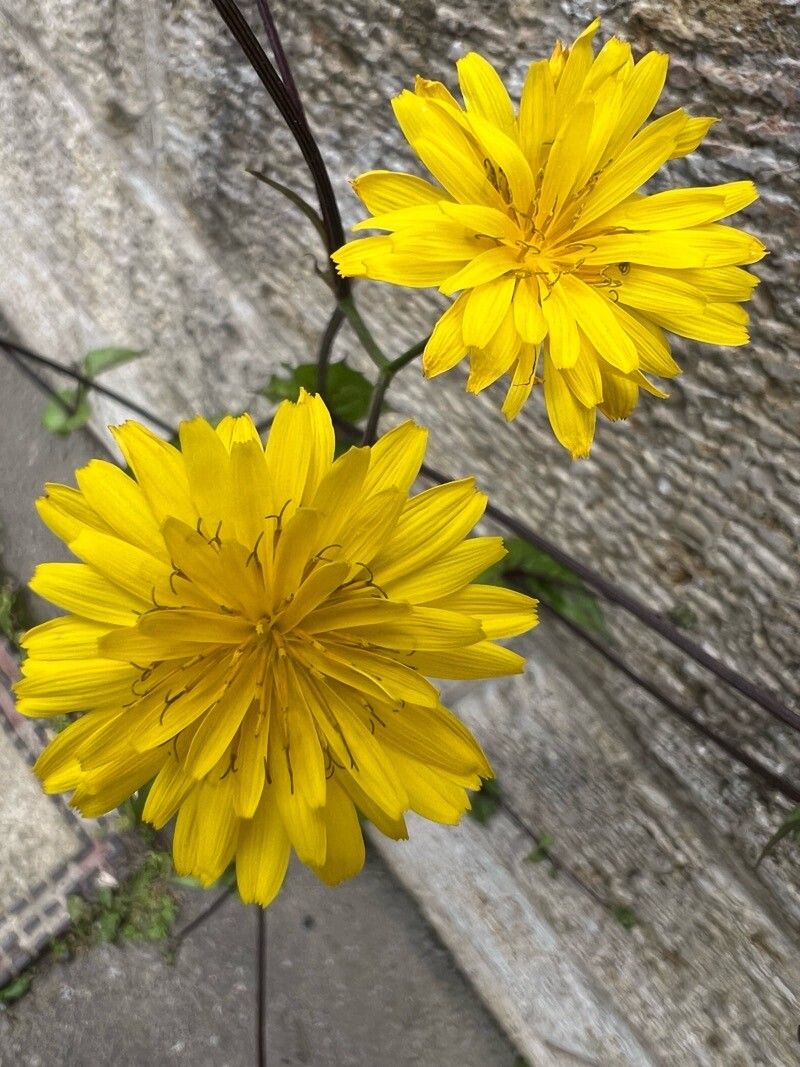
From Seeds to Success: Propagating Crepis palaestina for Your Garden
The vibrant, yellow blooms of Crepis palaestina, also known as Palestine Hawksbeard, add a burst of color and a touch of wild beauty to any garden. But did you know you can easily grow this captivating plant from seed or, even more easily, by division?
Propagating your own Crepis palaestina plants ensures a bountiful supply of this charming flower and allows you to share its loveliness with friends and neighbors. Let’s explore the two methods:
1. Sowing Seeds for a Fresh Start:
- Timing is Key: Crepis palaestina seeds are best sown in the fall or early spring. They need a period of cold stratification, mimicking winter conditions, to germinate successfully.
- Preparing the Soil: Choose a well-drained soil with a neutral to slightly alkaline pH. Loosen the soil to a depth of 1-2 inches and remove any weeds or debris.
- Sowing the Seeds: Sow the seeds thinly and lightly cover them with soil. Water gently and keep the soil moist but not soggy.
- Germination: Seedlings should emerge within 2-3 weeks, depending on temperatures and weather conditions.
- Thinning and Transplanting: Once seedlings reach a height of about 2 inches, thin them to about 6 inches apart. You can transplant these seedlings to their permanent location in the garden or into larger containers.
2. Division for Quick and Easy Growth:
- Timing is Essential: Division is best done in early spring or late summer when the plant is actively growing.
- Preparing for Division: Use a sharp trowel or garden fork to carefully separate a clump of Crepis palaestina. Look for small clumps with their own roots and a few healthy leaves.
- Planting the Divisions: Prepare a new spot in the garden or a container with well-drained soil. Place the divisions in the planting hole, making sure the crown of the plant is level with the soil surface. Water well and keep the soil moist.
Tips for Success:
- Location: Crepis palaestina prefers full sun to partial shade and well-drained soil.
- Watering: Water regularly, especially during dry periods, but avoid overwatering.
- Fertilizing: A light application of balanced fertilizer in spring can encourage healthy growth.
- Deadheading: Remove spent blooms to promote continuous flowering. This also prevents unwanted self-seeding in undesirable areas.
- Winter Care: Crepis palaestina is generally frost-hardy but may need protection in very cold climates.
- Disease and Pests: This plant is relatively pest and disease-resistant, but keep an eye out for aphids and powdery mildew.
Beyond the Garden:
Crepis palaestina’s captivating yellow flowers are not just aesthetically pleasing; they attract a multitude of beneficial pollinators, including bees, butterflies, and hoverflies. This makes it a fantastic addition to any wildlife-friendly garden.
Conclusion:
Propagating Crepis palaestina is a rewarding experience that allows you to enjoy this stunning bloom for years to come. Whether you choose to start from seed or divide existing plants, you’ll have vibrant color in your garden in no time. So, get your hands dirty and witness the joy of propagating this beautiful flower, and let your garden flourish with the cheerful charm of Crepis palaestina!