
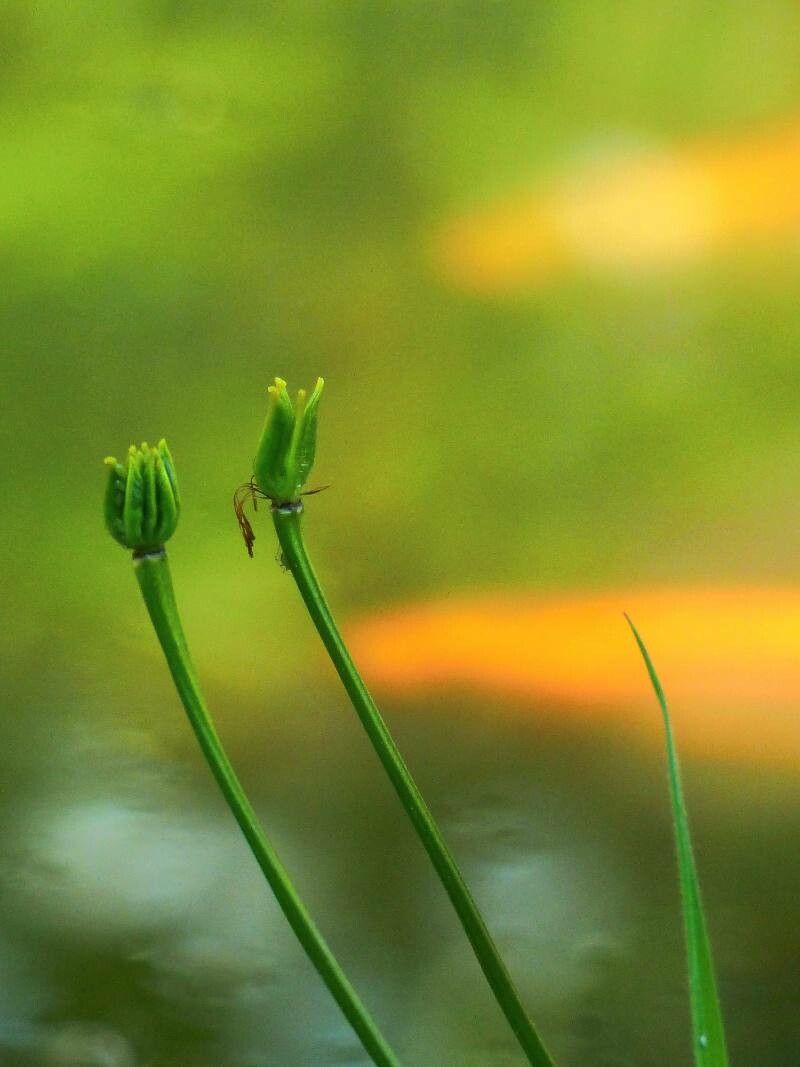
From Tiny Seed to Vibrant Bloom: Propagating the Beautiful Crepis Pulchra
The Crepis pulchra, also known as the slender hawksbeard, is a stunning wildflower with delicate, daisy-like blooms that bring vibrant splashes of yellow to meadows and fields. Its graceful form and easygoing nature make it a popular choice for gardeners seeking to add natural beauty to their spaces. But did you know that you can easily grow your own Crepis pulchra from seed, or even by division?
Let’s dive into the captivating world of Crepis pulchra propagation!
From Seed to Success
The most common method of propagating Crepis pulchra is through seed. Here’s a step-by-step guide to ensure your success:
- Harvesting Seeds: Once flowering has finished, the delicate seed heads will start to form. These resemble tiny, fluffy balls of cotton. Carefully snip off the seed heads before they release their seeds naturally.
- Seed Preparation: Allow the seed heads to dry thoroughly in a warm, airy spot. Once dry, gently rub the seeds out of their cottony casings.
- Sowing the Seeds: Direct sowing is the easiest method for Crepis pulchra. Choose a sunny spot in your garden with well-drained soil. Simply scatter the seeds on the surface and lightly press them into the soil.
- Watering and Care: Keep the soil consistently moist but not waterlogged. Germination usually takes 2-3 weeks. Thin out seedlings to about 6 inches apart once they are large enough to handle.
Division: A Quick and Easy Option
For those eager for quicker results, division is another effective way to propagate Crepis pulchra. This method works best in spring or autumn. Here’s how:
- Choose a Healthy Plant: Select a mature Crepis pulchra plant with multiple stems.
- Gently Dig: Carefully dig up the plant, being mindful not to damage the root system.
- Divide the Plant: Use a sharp knife or trowel to divide the clump into smaller sections, each with its own set of roots and stems.
- Replant: Plant the divisions in well-prepared soil, ensuring the roots are spread out and covered. Water thoroughly after planting.
Tips for Success
No matter which method you choose, here are some helpful tips for successful Crepis pulchra propagation:
- Location is Key: This sun-loving plant thrives in full sun locations. Choose a spot in your garden that receives at least 6 hours of direct sunlight daily.
- Soil Preference: Crepis pulchra prefers well-drained soil, as it is susceptible to root rot in overly wet conditions.
- Minimal Maintenance: This plant is generally low-maintenance once established. It is drought-tolerant and doesn’t require frequent fertilization.
- Wildlife Benefits: Crepis pulchra attracts pollinators like bees and butterflies, adding a vibrant buzz to your garden.
Beyond the Garden
Crepis pulchra is more than just a beautiful garden plant – it has a long history of medicinal and culinary uses! In traditional medicine, it was used to treat skin irritations and digestive ailments. The young leaves can also be eaten raw or cooked, adding a pleasing bitter note to salads and soups.
From seed to blossom, growing Crepis pulchra is a journey of discovery. Witnessing this beautiful plant emerge from a tiny seed or a divided root is a rewarding experience for any gardener. So, why not try your hand at propagating Crepis pulchra? The vibrant color and graceful form of this wildflower will surely bring joy to your garden and attract a delightful array of pollinators.