
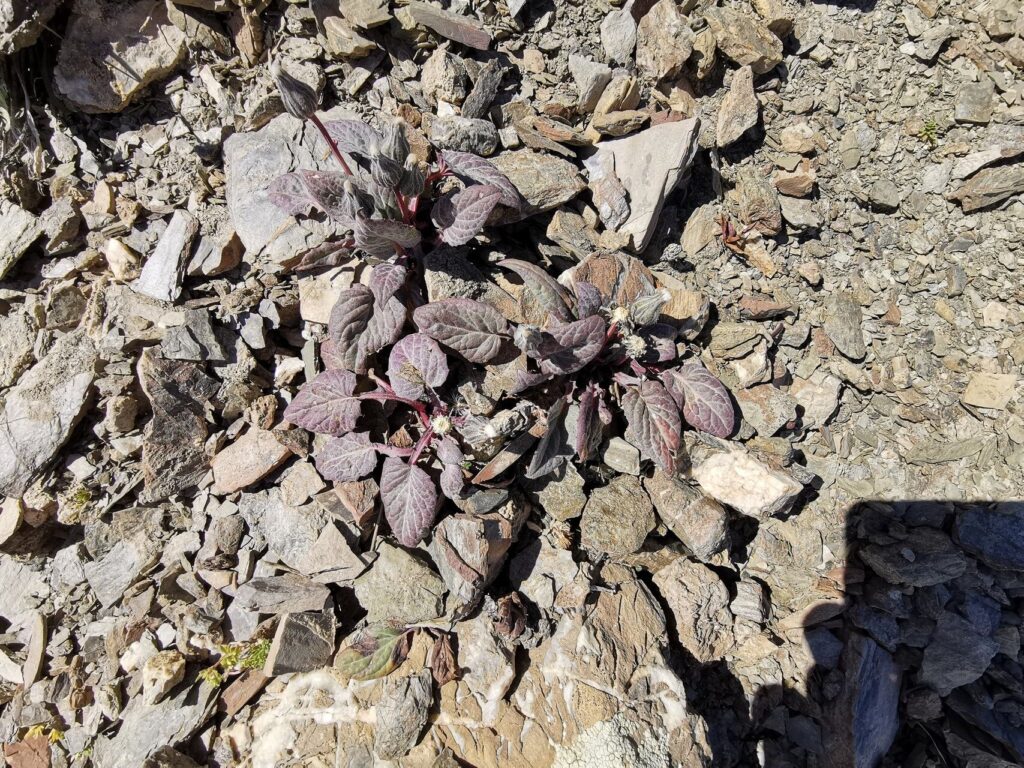
Taming the Alpine Dwarf: Propagating the Rare Crepis pygmaea
The world of alpine plants is filled with fascinating species adapted to thrive in harsh, unforgiving environments. Among these hardy survivors is the Crepis pygmaea, a charming dwarf dandelion that graces the high-altitude landscapes of the European Alps. If you, like us, are captivated by its delicate beauty and tenacious spirit, you might be wondering: can I cultivate this alpine treasure in my own garden?
The answer, thankfully, is yes! While not commonly found in nurseries, propagating Crepis pygmaea is achievable with a bit of patience and the right know-how.
Let’s delve into the two main methods:
1. Seed Propagation: A Test of Patience
Crepis pygmaea, true to its dandelion lineage, produces seeds. Collecting these, however, can be tricky due to their small size and tendency to be dispersed by the wind. If you’re lucky enough to harvest some, here’s how to proceed:
- Sowing Time: Sow the seeds in late winter or early spring (February to April) in seed trays or pots.
- Soil Mix: Use a well-draining seed starting mix or create your own using equal parts peat moss, perlite, and vermiculite.
- Sowing Depth: Sprinkle the seeds sparingly on the surface of the soil and lightly press them in – they need light to germinate.
- Watering: Water gently using a spray bottle to avoid disturbing the tiny seeds. Keep the soil consistently moist but not waterlogged.
- Temperature: Maintain a cool environment (around 15-18°C or 59-64°F).
- Patience is Key: Germination can be slow and erratic, taking anywhere from a few weeks to a couple of months.
2. Division: The Faster Route to Expansion
For quicker results and mature plants, division is the preferred propagation method. While Crepis pygmaea doesn’t form runners, it often develops multiple rosettes. Here’s how to divide them:
- Timing: The ideal time for division is in early spring or after flowering in late summer.
- Preparation: Carefully lift the entire plant from its pot or the ground.
- Dividing the Rosettes: Gently tease apart the rosettes, ensuring each division has a good amount of roots attached.
- Repotting: Pot the divisions in a well-draining soil mix suitable for alpine plants. Ensure good drainage to prevent root rot.
- Watering & Care: Water thoroughly after repotting and place the divisions in a cool, partially shaded location.
Creating the Alpine Environment at Home
Crepis pygmaea, accustomed to harsh alpine conditions, thrives in well-drained soil and full sun to partial shade. Here are some tips for mimicking its natural habitat:
- Soil: Use a gritty, well-draining mix. A combination of loam, perlite, and grit works well.
- Watering: Water moderately, allowing the soil to dry out slightly between waterings. Avoid overwatering, which can lead to root rot.
- Sunlight: Place in a location that receives at least 4-6 hours of sunlight per day.
- Fertilizing: Fertilize sparingly in the spring with a diluted balanced fertilizer.
Propagating Crepis pygmaea might require some effort, but the reward of nurturing these resilient beauties in your own garden is well worth it. With patience, the right conditions, and a touch of alpine spirit, you can successfully cultivate this miniature marvel and admire its charming blooms year after year.