
Taming the Wild: Propagating Narrowleaf Hawksbeard (Crepis tectorum)
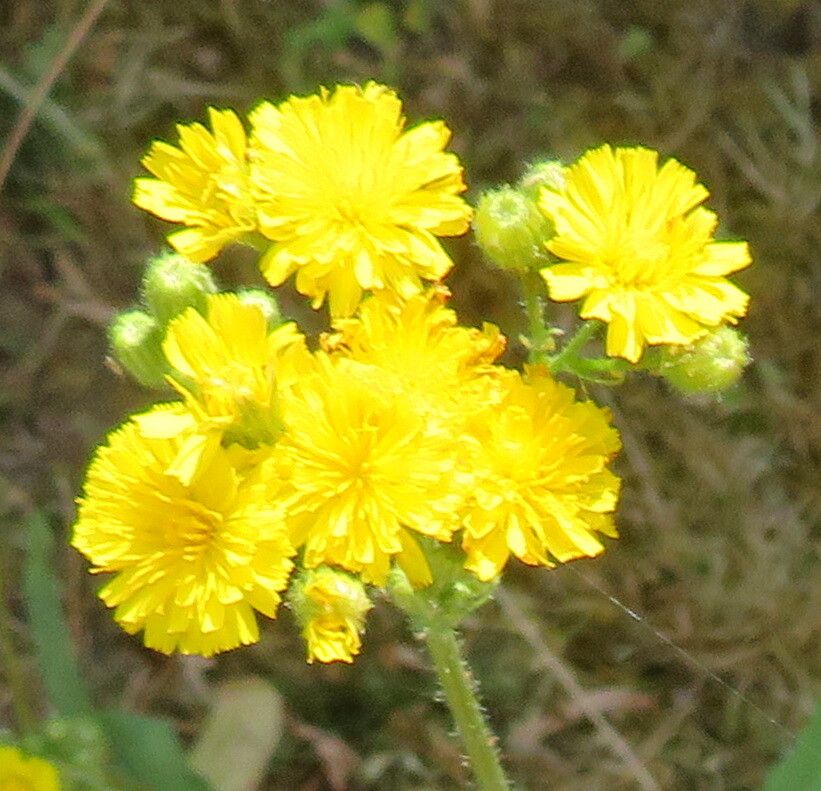
Narrowleaf Hawksbeard (Crepis tectorum): a name that might conjure images of fierce birds of prey guarding their leafy domain. While this unassuming plant with its bright yellow, dandelion-like flowers, won’t be winning any beauty contests, it holds a certain charm for plant enthusiasts. Native to Europe and Asia, it has established itself across North America, often considered a weed in some regions. But if, like me, you’ve found yourself strangely drawn to its delicate blossoms and resilient nature, you might be wondering – can I cultivate this wildling in my own garden?
The answer is a resounding yes! Propagating Crepis tectorum is surprisingly simple, primarily relying on its abundant seed production.
Let’s explore the two main methods:
1. Seed Propagation:
- Collecting Seeds: This is arguably the most exciting part! As the flowers mature, they transform into fluffy seed heads reminiscent of miniature dandelions. Once the seed heads turn white and fluffy, carefully pluck them from the stem. It’s best to choose a dry, sunny day for this task.
- Preparing for Sowing: Gently separate the seeds from the fluff and store them in a cool, dry place until you’re ready to sow. You can sow them directly outdoors in the fall or start them indoors 4-6 weeks before the last frost.
- Sowing the Seeds: Crepis tectorum prefers well-drained soil and full sun to partial shade. Scatter the seeds over prepared soil in your garden or seed trays, pressing them lightly into the surface.
- Watering: Keep the soil consistently moist but not waterlogged. Seedlings should emerge within 1-2 weeks.
- Thinning: Once the seedlings have developed a few sets of true leaves, thin them out to prevent overcrowding, leaving the strongest ones to flourish.
2. Division:
While less common, Crepis tectorum can also be propagated by division in the spring. This method is best for mature plants that have formed clumps.
- Lifting the Plant: Carefully dig around the clump ensuring you don’t damage the roots.
- Dividing the Clump: Gently tease apart the clump into smaller sections, each with a good root system.
- Replanting: Plant the divisions in their new locations, ensuring they are at the same depth as they were originally growing. Water thoroughly.
Caring for your Crepis tectorum:
Narrowleaf Hawksbeard is a low-maintenance plant. Regular watering during dry spells is beneficial, but it tolerates drought conditions relatively well. Deadheading spent flowers can prolong the blooming period and prevent excessive self-seeding, especially if you’d like to maintain a more controlled environment.
A Final Word:
Propagating Crepis tectorum can be a rewarding experience, allowing you to introduce this unique plant to your garden. While often perceived as a humble weed, its resilience, whimsical seed heads, and cheerful blooms possess a subtle beauty that can be appreciated up close. So, go ahead and embrace the wild – you might be surprised by the joy this unassuming plant can bring.