
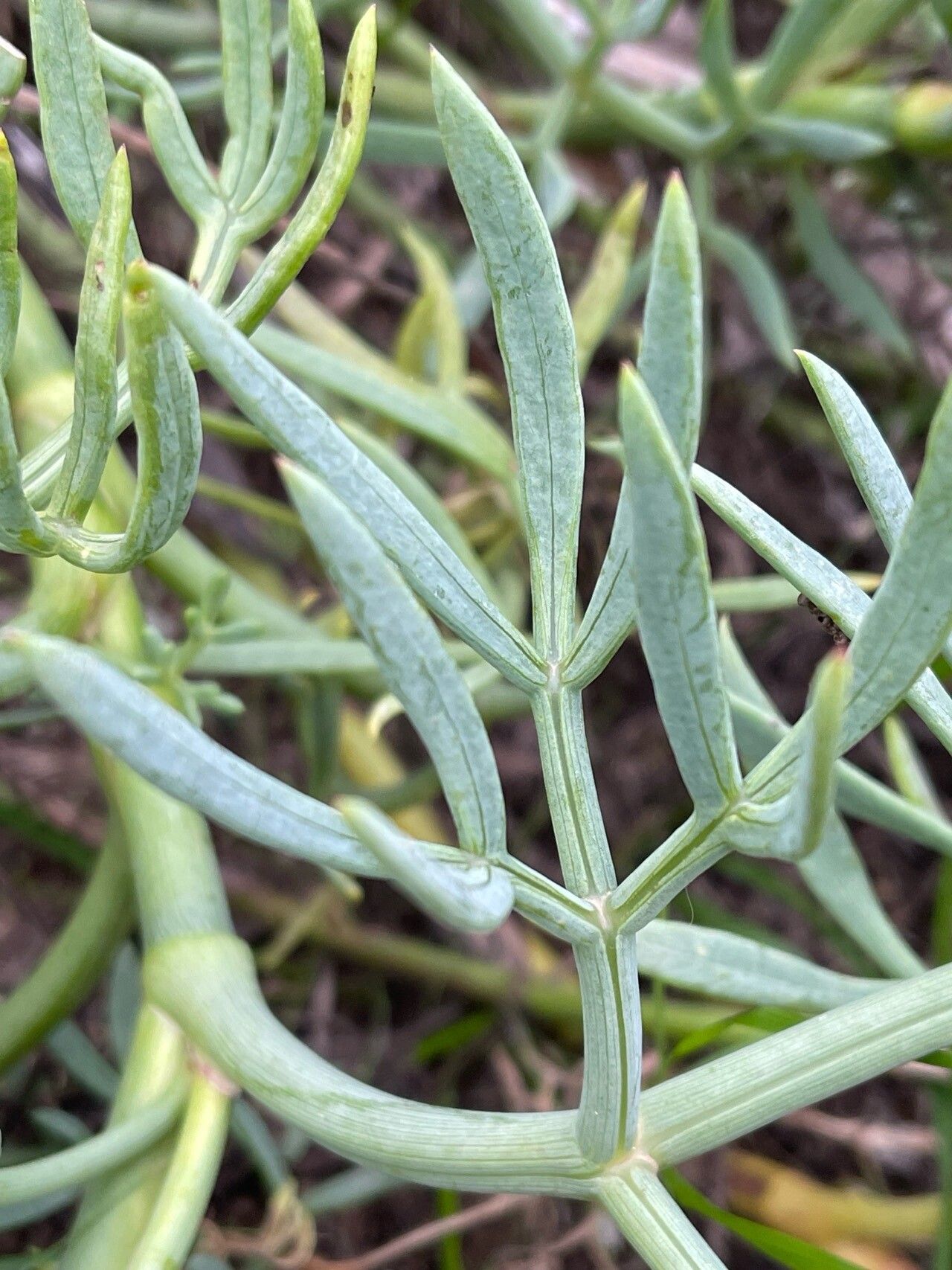
Propagating Crithmum maritimum: A Guide to Growing Sea Samphire
Introduction:
Crithmum maritimum, commonly known as sea samphire, is a succulent perennial herb native to coastal areas of Europe and North Africa. Its distinctive, fleshy, bluish-green leaves and unique saline flavor make it a prized culinary ingredient and an increasingly popular ornamental plant for coastal gardens and rock gardens. Its tolerance of harsh, salty environments makes it a fascinating subject for gardeners seeking low-maintenance, drought-tolerant additions to their landscapes. However, propagating sea samphire can present unique challenges, requiring specific techniques to achieve success.
Seed Germination:
Seed germination for Crithmum maritimum is possible, but challenging. The seeds possess a hard seed coat, requiring stratification to break dormancy. This involves mimicking the natural winter conditions the seeds would experience.
Challenges: Low germination rates are common, even with stratification. The seeds are also relatively small and delicate, requiring careful handling during sowing.
Practical Tips: Collecting fresh, ripe seeds is crucial. Stratify the seeds for at least 6-8 weeks at 4°C (39°F) in moist vermiculite or peat moss. Sow the seeds thinly on a well-draining seed compost, barely covering them. Maintain consistently moist (not soggy) conditions and provide bright, indirect light.
Rewards: Successfully germinating sea samphire seeds offers high genetic diversity, creating a wider range of potential plant characteristics. It also allows for larger scale propagation compared to other methods.
Cuttings:
Propagating Crithmum maritimum from cuttings is a relatively reliable method.
Challenges: While successful, rooting can be slow, and the cuttings are susceptible to rot if conditions are too moist.
Practical Tips: Take semi-hardwood cuttings in late summer or early autumn. Use a sharp knife or shears to make clean cuts, and remove lower leaves to prevent rot. Dip the cut ends in a rooting hormone powder before planting in a well-draining mix (e.g., a 50/50 blend of peat moss and perlite). Provide humid conditions (e.g., using a plastic bag or propagator) and bright, indirect light. Consistent moisture is vital, but avoid overwatering.
Rewards: Cuttings offer a quicker route to establish new plants than seed germination and retain the characteristics of the parent plant.
Division:
Division is a simple and effective method for established plants.
Challenges: This method is only suitable for mature plants with well-developed root systems. Overly aggressive division can damage the plant.
Practical Tips: Divide the plant in spring or autumn, carefully separating the root system into sections that each contain several healthy shoots and roots. Replant the divisions immediately into well-draining soil in a suitable location.
Rewards: Quick establishment of new plants and maintains the characteristics of the parent plant.
Tissue Culture:
Currently, there are no readily available, widely documented protocols for tissue culture propagation of Crithmum maritimum. While theoretically possible, it requires specialized laboratory equipment and expertise.
Conclusion:
Propagating Crithmum maritimum presents several challenges but offers significant rewards for the dedicated gardener. Seed germination, while achievable with stratification, yields unpredictable results. Cuttings provide a more reliable method, while division is best suited for established plants. Tissue culture remains an unexplored, albeit potentially efficient, avenue. The satisfaction of cultivating this unique and flavorful plant, whether from seed, cutting, or division, is deeply rewarding, particularly given the challenges involved. Its resilience and unique beauty make the effort worthwhile, offering a tangible connection to the coastal environment it calls home. Aspiring propagators should start with cuttings or division for the highest chances of success, exploring seed germination as a more challenging but potentially rewarding long-term endeavor.