
Propagating the Dusky Crocus: A Gardener’s Guide to Crocus melantherus
Introduction:
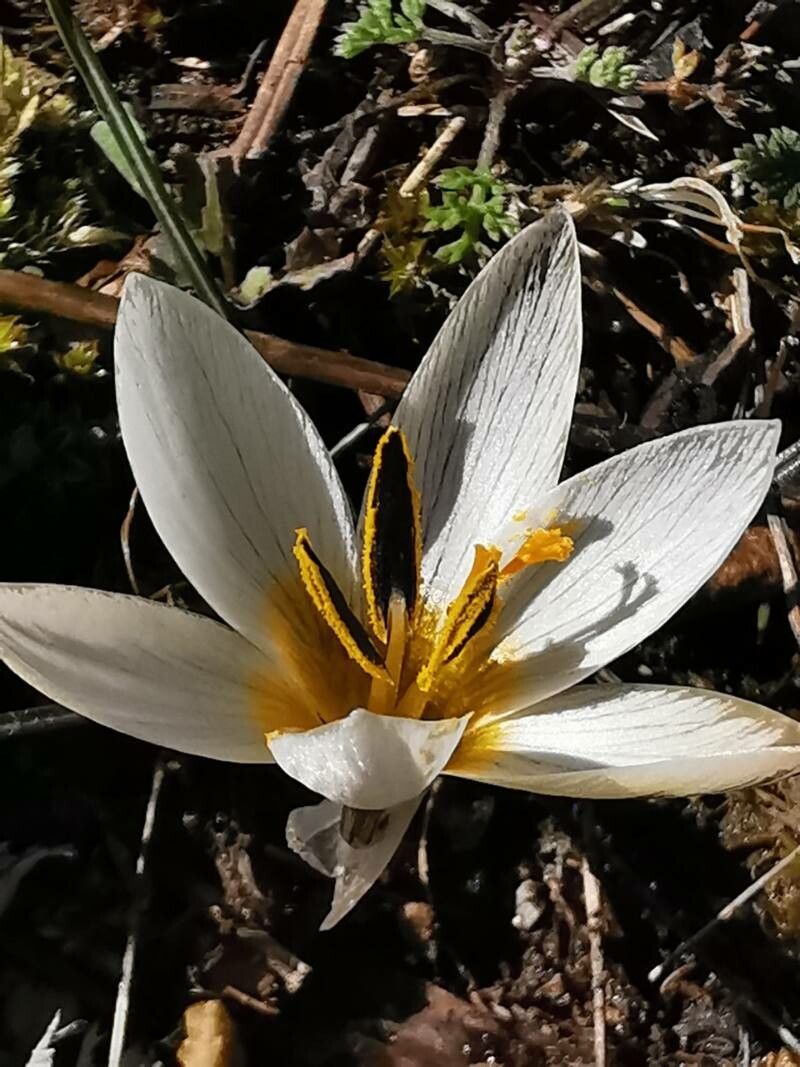
Crocus melantherus, often known as the Dusky Crocus, is a captivating autumn-blooming species prized for its deep purple flowers with striking, almost black, anthers. Unlike many showy spring-blooming crocuses, its dark beauty and relatively late flowering period make it a unique addition to any autumn garden. While not as widely cultivated as some of its relatives, its increasing popularity among gardeners highlights its horticultural significance. Its propagation, however, presents unique challenges, requiring patience and a nuanced understanding of the plant’s specific needs.
Seed Germination:
Seed germination for Crocus melantherus is possible but challenging. The seeds exhibit a period of dormancy that requires cold stratification. This process mimics the natural winter conditions necessary to break dormancy. Successful germination often requires a period of at least 8-12 weeks of cold stratification at temperatures between 33-41°F (0-5°C) in a moist medium (e.g., a mixture of peat moss and perlite). Sowing should be done in autumn, allowing the seeds to undergo the cold stratification naturally over winter. Use well-draining soil and maintain consistent moisture levels but avoid overwatering. Germination can be slow and erratic, typically taking several months. Rewards include the genetic diversity introduced by growing from seed, offering the possibility to cultivate new variations. However, the lengthy process and low germination rates limit this method’s usefulness for large-scale propagation.
Cuttings:
Currently, there are no known reliable methods for propagation of Crocus melantherus using cuttings. Crocuses, unlike many other plants, do not readily propagate from stem or leaf cuttings.
Division:
Division is the most reliable and practical method for propagating Crocus melantherus. This involves carefully separating the corms after the foliage has died back in late summer. Each division should ideally contain a portion of the rhizome and at least one or two healthy cormels. These divisions can then be planted immediately into well-draining soil in a sunny or partially shaded location. The corms are relatively tolerant of disturbance once dormant. The rewards are high success rates and relatively rapid increases in plant numbers. This makes it the preferred method for most gardeners seeking to expand their stock for personal use or limited sharing. The main challenge is ensuring each division holds enough resources to successfully establish itself.
Tissue Culture:
While not a commonly used method for home gardeners, tissue culture offers the potential for large-scale propagation of Crocus melantherus. This laboratory-based technique involves growing plantlets from small sections of plant tissue under sterile conditions. It allows for rapid multiplication and the production of disease-free plants. However, specialized equipment, expertise, and sterile lab environment are necessary for successful tissue culture, making this method impractical for most amateurs.
Conclusion:
Propagating Crocus melantherus presents a multifaceted challenge, with each method holding both rewards and limitations. Seed germination provides genetic variety but suffers from low success rates and lengthy timelines. Cuttings are not a viable option. Division offers the most reliable method for home gardeners due to ease of implementation and high success rate, while tissue culture presents a high-volume option only accessible to professionals. The inherent difficulty in propagating this beautiful plant, however, only serves to amplify the satisfaction felt when a tiny corm, carefully nurtured, unfurls its dark, velvety flowers in autumn. For aspiring propagators, patience, precise attention to detail, and a touch of perseverance will prove invaluable companions on this rewarding journey. Remember to prioritize well-draining soil and good drainage in all propagation methods to prevent corm rot.