
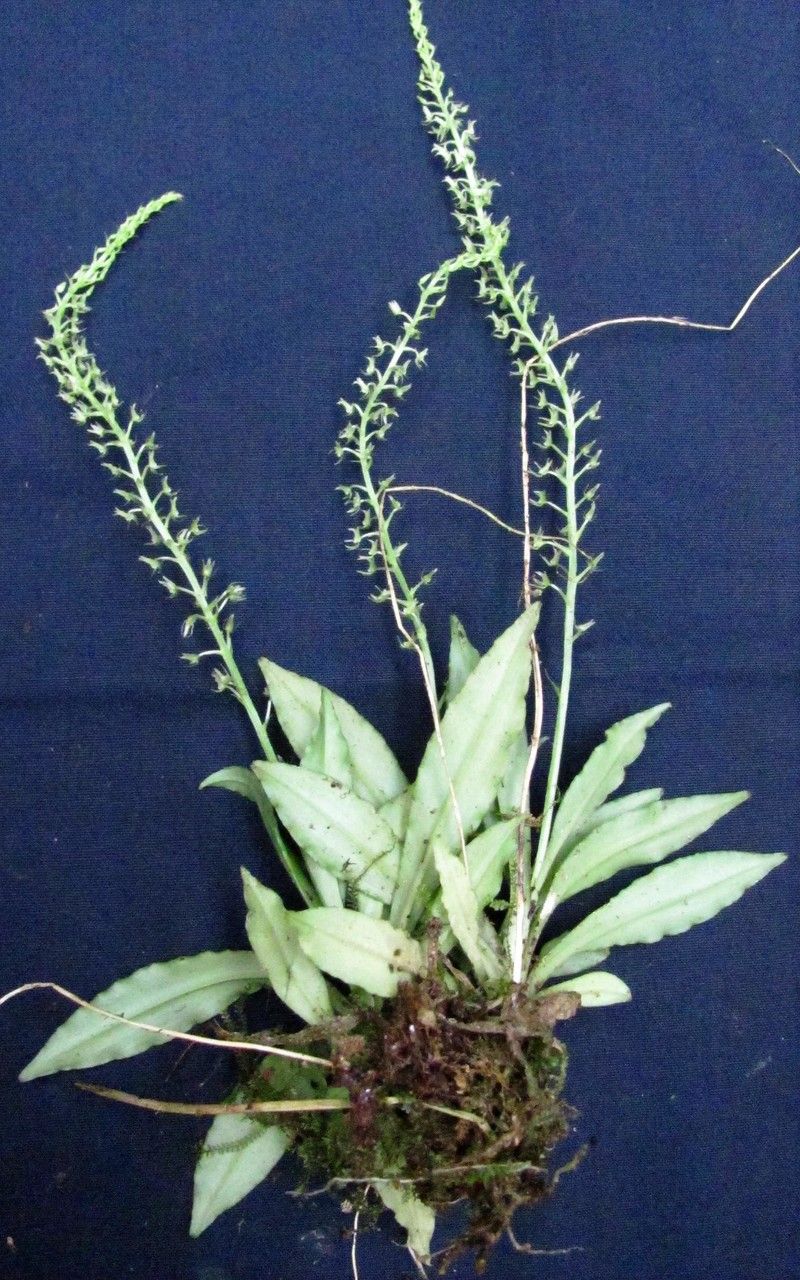
Unveiling the Secrets of Crossoglossa blephariglottis: A Propagation Guide for the Dedicated Orchid Enthusiast
Crossoglossa blephariglottis, a charming miniature orchid hailing from the cloud forests of Central and South America, is a coveted jewel for orchid aficionados. With its delicate, intricately patterned flowers and compact growth habit, it’s a mesmerizing addition to any collection. However, cultivating and propagating this miniature marvel poses a fascinating challenge that sets it apart from more common orchid varieties. Let’s delve into the intriguing world of Crossoglossa blephariglottis propagation and uncover the secrets to success.
Understanding the Basics
Unlike many orchids that are easily propagated through divisions or keikis, Crossoglossa blephariglottis primarily reproduces through seeds. This delicate process requires a keen understanding of the orchid’s specific needs and a touch of patience.
Two Avenues for Propagation:
Seed Sowing in-vitro: This method, while more complex, offers a higher success rate and the potential to produce multiple plants.
- The Process: It involves sowing the dust-like seeds in a sterile, nutrient-rich medium within a sealed container. Maintaining optimal humidity, light, and temperature is crucial for germination and seedling development. This method requires specialized equipment and sterile techniques.
Seed Sowing on Mother Plant: This method mimics nature’s approach.
- The Process: It involves carefully placing seeds near the base of the mother plant, capitalizing on the symbiotic relationship the orchid has with specific fungi present in its natural environment. These mycorrhizal fungi provide essential nutrients to the developing seeds, aiding their germination and growth. However, this method can be unreliable, as replicating the perfect natural conditions at home is challenging.
Key Factors for Success:
Regardless of the chosen method, several factors contribute to successful Crossoglossa blephariglottis propagation:
- Seed Viability: Fresh seeds are paramount. Obtain them from a reputable source or pollinate your own flowers to ensure viability.
- Sterile Environment: Both the medium and the tools used for in-vitro sowing require meticulous sterilization to prevent contamination by mold or bacteria, which can quickly kill delicate seedlings.
- Optimal Conditions: Maintaining the correct humidity, light, and temperature is crucial throughout the germination and growth stages. Consistent monitoring and adjustments are essential.
- Patience: Crossoglossa blephariglottis seeds are notoriously slow to germinate, often taking several months. Even after germination, growth is gradual. Patience and dedication are key!
The Rewarding Journey:
Propagating Crossoglossa blephariglottis is not for the faint of heart. It requires dedication, precision, and a willingness to embrace challenges. However, the rewards are immeasurable. Witnessing the emergence of tiny seedlings or watching a seed pod swell on the mother plant brings immense satisfaction and a deeper connection to this fascinating orchid. It is a journey of observation, learning, and the joy of nurturing life from its most delicate stage.
This guide provides a glimpse into the intricate world of Crossoglossa blephariglottis propagation. For detailed instructions and advice, consult specialized orchid societies or experienced growers who can provide invaluable insights and support. With persistence and care, you too can experience the magic of bringing new life to this captivating orchid species.