
Unlocking the Secrets of Silver Button Propagation: How to Multiply Your Shimmering Succulent
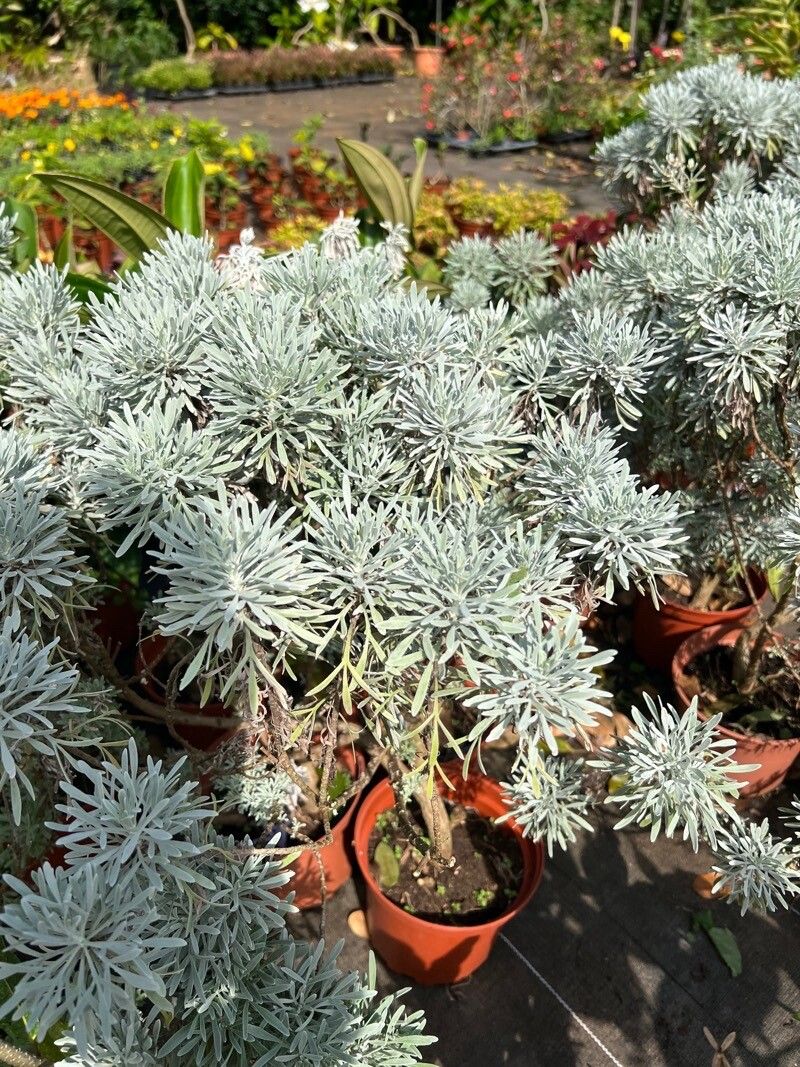
Crossostephium chinense, affectionately known as Silver Button or Rock Daisy, charms gardeners with its button-like silver foliage and delightful yellow blooms. If you’re lucky enough to have this resilient succulent gracing your garden, you might be wondering how to create more of these shimmering beauties. Look no further! This guide will delve into the fascinating world of Silver Button propagation, revealing the secrets to multiplying your succulent success.
Understanding the Basics:
Before we dive in, let’s explore the two most popular methods for propagating Crossostephium chinense:
- Cuttings: This method utilizes stem segments to generate new plants. It’s the most common and arguably the easiest method for Silver Button propagation.
- Seeds: While possible, propagating from seed is less common due to limited seed availability and a longer maturation process.
The Cutting Edge: Mastering Silver Button Propagation with Cuttings
Let’s dive into a step-by-step guide to propagate your Silver Button from cuttings:
1. Timing is Key: The ideal time for taking cuttings is during the plant’s active growing season, typically spring or early summer. This allows the cuttings ample time to establish roots before winter dormancy.
2. Selecting the Perfect Cutting: Look for healthy, non-flowering stems that are approximately 3-4 inches long. Using clean, sharp pruning shears, make a cut just below a leaf node (where the leaf attaches to the stem).
3. Preparing the Cutting: Remove the lower leaves from the cutting, leaving only a few leaves at the top. This minimizes moisture loss and encourages root development.
4. Callusing is Crucial: Allow the cut end of the stem to callus over for a day or two. This drying process helps prevent rot and encourages root formation.
5. Creating the Ideal Rooting Environment: Prepare a well-draining rooting medium. You can use a mix of perlite and vermiculite or a specific succulent and cacti potting mix.
6. Planting Your Cutting: Insert the callused end of the cutting into the prepared medium, burying at least one leaf node. Gently firm the soil around the cutting to provide support.
7. Patience is a Virtue: Place the potted cutting in a bright location, avoiding direct sunlight. Water sparingly, allowing the soil to dry between waterings.
8. Signs of Success: In a few weeks, you should notice new growth, indicating successful rooting. You can gently tug on the cutting – resistance means roots have formed!
Seed Starting: A Longer but Rewarding Journey:
While less common, propagating Silver Button from seed is possible:
- Source Fresh Seeds: Obtain seeds from a reputable source, as they have a limited shelf life.
- Sowing the Seeds: Use a well-draining seed starting mix and sow the seeds on the surface, lightly pressing them in.
- Providing the Right Conditions: Keep the soil consistently moist and place the seed tray in a warm, bright location.
- Germination Time: Be patient, as seed germination can take several weeks to a few months.
- Transplanting: Once the seedlings are large enough to handle, transplant them into individual pots.
Expanding Your Silver Button Family:
Propagating your Crossostephium chinense is not only rewarding but also a sustainable way to expand your succulent collection. Whether you choose the faster route of cuttings or embark on the longer journey of seed starting, following these tips will set you on the path to propagate your very own shimmering Silver Buttons. Happy gardening!