
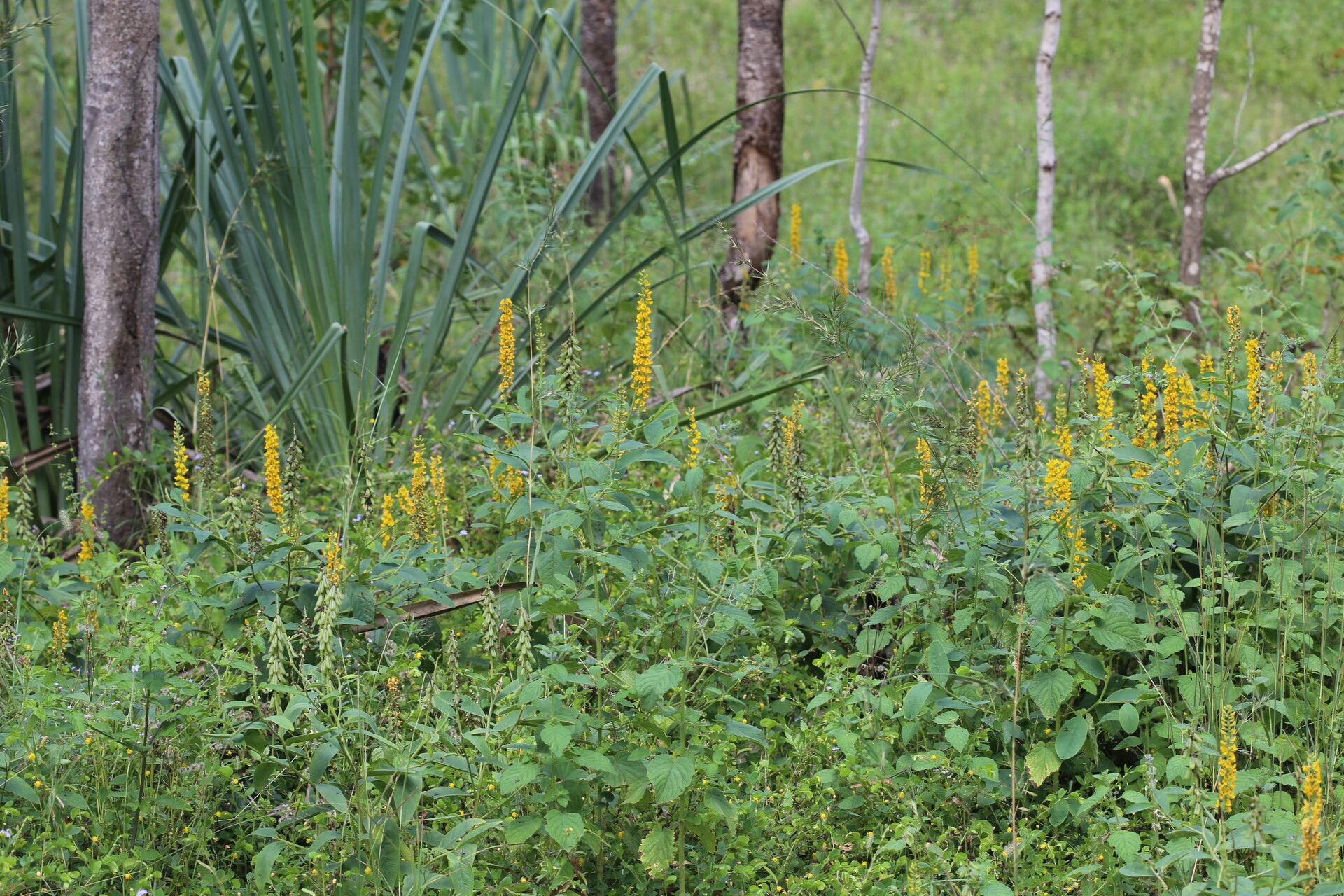
Unlocking the Secrets of Crotalaria Mitchellii: A Propagation Guide
Crotalaria mitchellii, also known as the “Mitchell’s Rattlepod,” is a fascinating plant with vibrant green foliage and stunning yellow flowers that resemble miniature birds in flight. Native to Australia, this hardy species is gaining popularity among gardeners for its ornamental appeal and ability to attract beneficial insects. Want to bring this striking beauty to your own backyard? Let’s explore the ins and outs of propagating Crotalaria mitchellii.
Propagation Methods: Seeds vs. Cuttings
While Crotalaria mitchellii can be propagated through both seeds and cuttings, seed propagation is generally preferred due to its higher success rate and simplicity.
1. Seed Propagation:
- Seed Collection: Collect ripe seed pods from a healthy Crotalaria mitchellii plant. The pods will be brown and dry when ready.
- Seed Scarification: The seeds of this species have a hard outer coating that needs to be slightly abraded for successful germination. This process, called scarification, can be done by gently rubbing the seed between two pieces of sandpaper or nicking the seed coat with a nail clipper.
- Sowing: Sow the scarified seeds in a well-draining seed raising mix, covering them lightly with soil.
- Watering and Light: Water gently but consistently, keeping the soil moist but not waterlogged. Place the seed tray in a warm, bright location, out of direct sunlight.
- Germination: Germination typically takes 2-4 weeks. Once the seedlings have developed a few sets of true leaves, they can be transplanted into individual pots or directly into the garden.
2. Cutting Propagation:
- Timing: Take cuttings in the spring or early summer from healthy, non-flowering stems.
- Cutting Preparation: Select stems that are approximately 4-6 inches long. Remove the lower leaves, leaving only a few at the top.
- Rooting Hormone (Optional): Dipping the cut end in rooting hormone can increase the chances of successful rooting.
- Planting: Plant the cuttings in a well-draining potting mix.
- Environment: Keep the cuttings in a warm, humid environment with indirect sunlight. Covering the pot with a plastic bag can create a mini-greenhouse effect.
- Rooting: Rooting can take several weeks. Gently tug on the cutting to see if roots have formed. Once rooted, the cutting can be treated like a seedling.
Tips for Success:
- Well-Draining Soil: Crotalaria mitchellii thrives in well-draining soil. Amend heavy clay soils with compost or sand to improve drainage.
- Sunlight: This sun-loving plant prefers a location that receives at least 6 hours of direct sunlight per day.
- Watering: Water deeply but infrequently, allowing the soil to dry out slightly between waterings.
- Pest and Diseases: Crotalaria mitchellii is relatively pest and disease-free. However, keep an eye out for common garden pests and address any issues promptly.
Propagating Crotalaria mitchellii is a rewarding experience that allows you to enjoy this beautiful and beneficial plant for years to come. Whether you are a seasoned gardener or a novice, following these tips will set you up for success in cultivating this stunning species.