
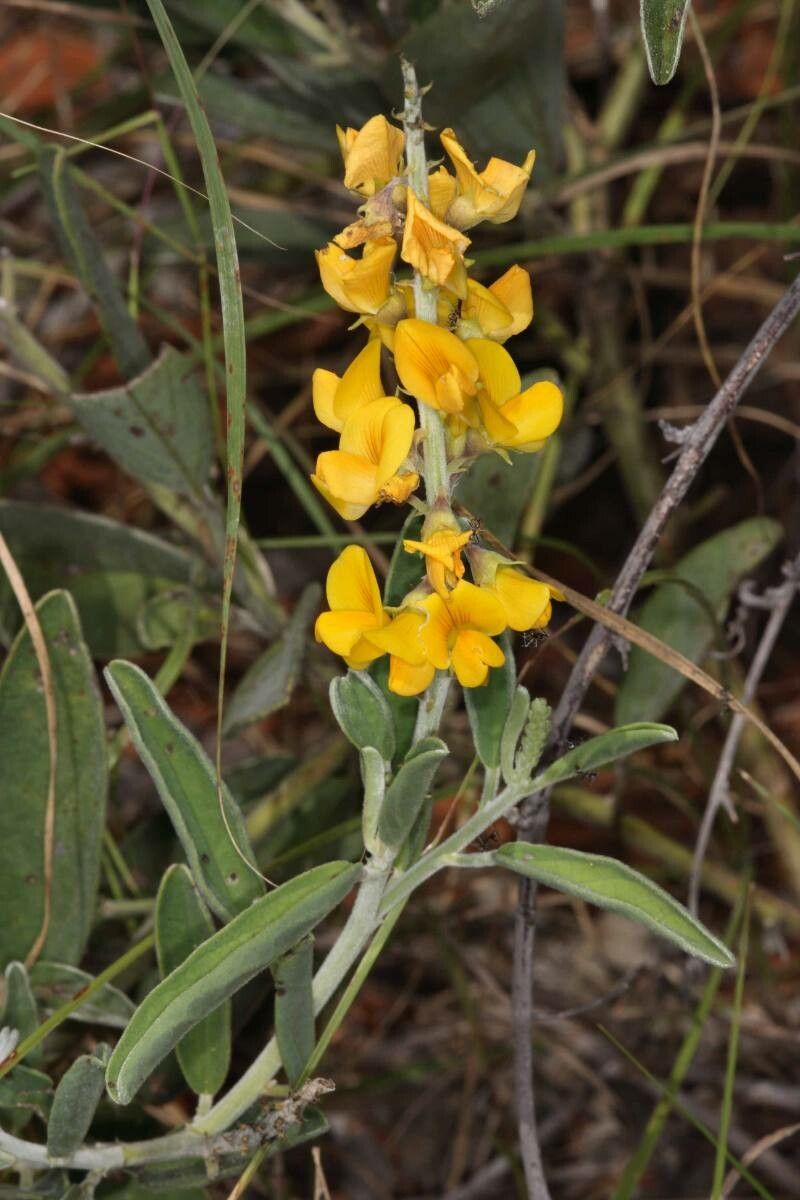
From Seeds to Success: Growing More Crotalaria novae-hollandiae
The vibrant, pea-like blooms of Crotalaria novae-hollandiae, also known as the “Blue Rattle” or “Bluebush”, are a delight to behold. But have you ever thought about adding more of this beauty to your garden? Propagation is the key to increasing your stock of this stunning flowering plant, and it’s surprisingly easy!
Seeds: A Simple Starting Point
For Crotalaria novae-hollandiae, the most common method of propagation is through seeds. Here’s how to get started:
- Collection: Once the flowers fade, pods will form. These pods contain the seeds. You can collect them directly from the plant or purchase them online.
- Preparation: Before sowing, it’s beneficial to scarify the seeds. This involves lightly rubbing the seeds with sandpaper or nicking the seed coat to help them germinate faster.
- Sowing: Sow seeds directly into pots or seed trays filled with well-draining seed compost. Maintain a consistent temperature of around 20°C (68°F). Cover the seeds lightly with compost.
- Germination: Expect germination in 1-4 weeks.
- Transplanting: Once seedlings have developed a few true leaves, transplant them into larger pots or directly into the garden, spacing them about 45cm (18 inches) apart.
Direct Sowing in the Garden
For a more hands-off approach, you can sow seeds directly into the garden in spring or autumn. Choose a sunny spot with well-drained soil.
- Prepare the bed: Loosen the soil and work in some compost or well-rotted manure for added nutrients.
- Sowing: Sow seeds thinly and cover lightly with soil.
- Watering: Water the bed gently to ensure good contact between the seeds and the soil.
- Thinning: When seedlings emerge (usually within 2-4 weeks), thin them out to ensure adequate spacing.
A word of caution: Crotalaria novae-hollandiae can be invasive in some areas, particularly in warmer climates. Therefore, it’s important to be aware of its potential spread and take necessary precautions to prevent it from becoming a nuisance.
Beyond Seeds: Exploring Other Options
While seeds are the most common method, Crotalaria novae-hollandiae can also be propagated through cuttings.
- Cuttings: Take semi-hardwood cuttings from healthy stems in late summer or early autumn.
- Preparation: Remove any leaves from the bottom 2 inches of the cutting and dip the cut end in rooting hormone.
- Planting: Insert the cuttings into a well-draining rooting mix and maintain a consistent temperature of around 20°C (68°F).
- Care: Keep the cuttings moist and protected from direct sunlight. Roots should develop within 4-6 weeks.
Things to Remember
- Crotalaria novae-hollandiae thrives in full sun and well-drained soil.
- It can tolerate a range of soil pH levels but prefers moderately acidic to neutral soils.
- Water regularly, especially during dry periods.
- Provide regular fertilization with a balanced fertilizer to encourage healthy growth and flowering.
With a little patience and care, you can easily grow more lovely Crotalaria novae-hollandiae plants and share the vibrant beauty of its blue blooms with your garden and those around you. Remember, the journey from seed to success is rewarding and brings the joy of creation to your garden!