
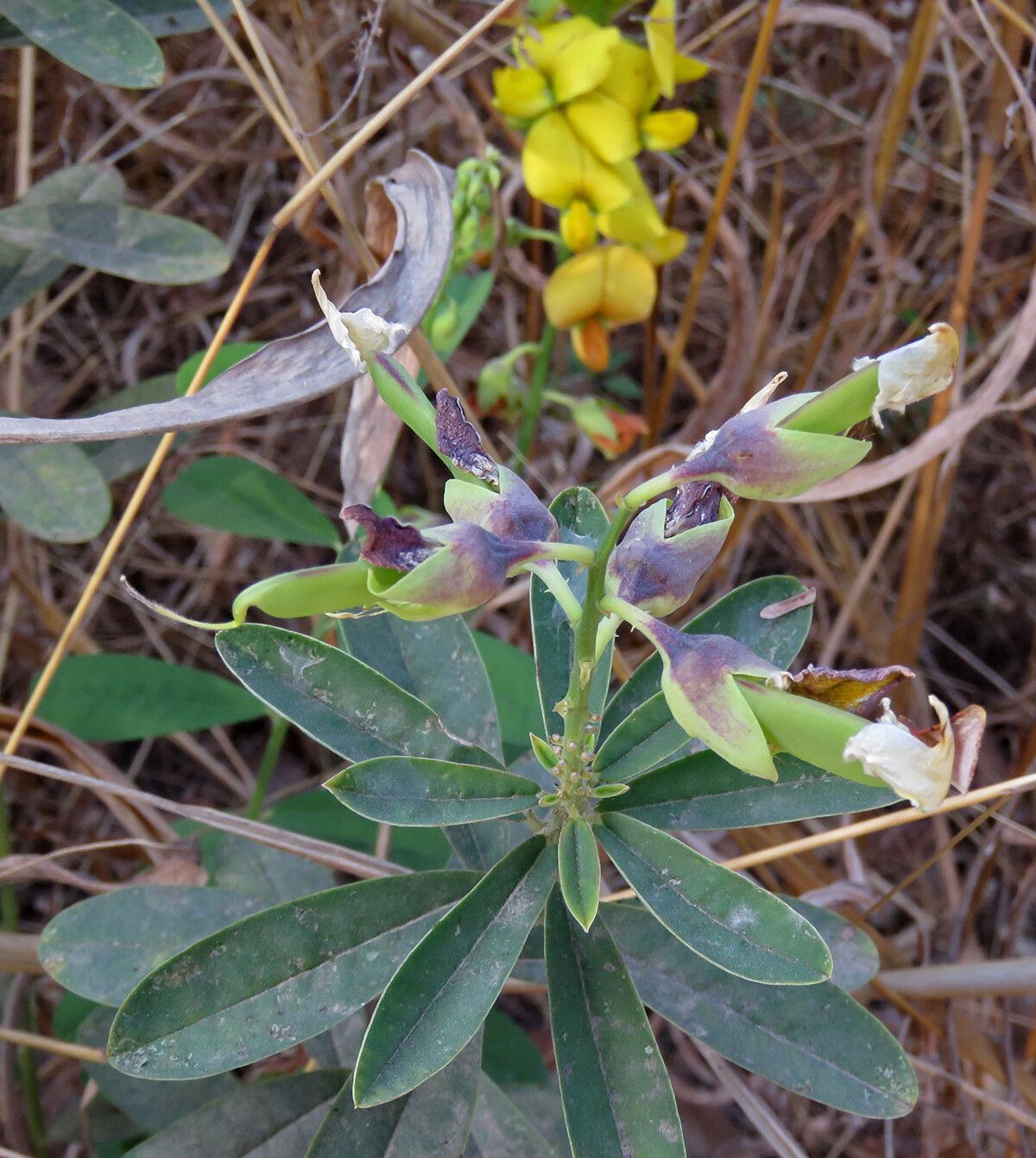
Unlocking the Secrets of Rattlepod: A Guide to Propagating Crotalaria retusa
Crotalaria retusa, commonly known as the Rattlepod or Wedgeleaf Rattlebox, is a vibrant plant prized for its unique seed pods that “rattle” in the wind and its beautiful yellow flowers. Whether you’re a seasoned gardener or just starting out, propagating this eye-catching plant is a rewarding experience. This comprehensive guide will delve into the different methods of propagation, empowering you to successfully grow more of these fascinating plants.
Method 1: Seed Propagation
The most common and straightforward method is growing Crotalaria retusa from seeds. Here’s a step-by-step breakdown:
- Seed Collection: Collect mature seed pods from existing plants. The pods will be brown and dry when ready.
- Seed Extraction: Carefully break open the pods to extract the seeds. A gentle crushing action usually does the trick.
- Seed Scarification: Crotalaria retusa seeds have a hard outer coating. To improve germination rates, scarify the seeds by gently rubbing them between two pieces of sandpaper. This process creates tiny scratches that allow moisture to penetrate.
- Sowing: Plant the scarified seeds in a well-draining seed starting mix, burying them about ¼ inch deep.
- Watering: Keep the soil consistently moist but not waterlogged.
- Light: Place the seed tray in a location with bright, indirect sunlight.
- Germination: Germination typically takes 1-3 weeks.
Method 2: Cutting Propagation
While slightly less common, propagating Crotalaria retusa from cuttings is possible and offers a quicker route to mature plants. Follow these steps:
- Taking Cuttings: Select healthy, non-flowering stems from a mature plant. Cuttings should be about 4-6 inches long.
- Preparing the Cuttings: Remove the leaves from the bottom inch of the stem. Dip the cut end in rooting hormone (optional but recommended).
- Planting: Insert the prepared cuttings into a pot filled with a well-draining rooting medium, like a mixture of perlite and peat moss.
- Humidity and Light: Maintain high humidity around the cuttings by covering the pot with a plastic bag or using a humidity dome. Provide bright, indirect light.
- Rooting: Cuttings will usually develop roots within 3-4 weeks. Tug gently on the cutting; if you feel resistance, roots have likely formed.
- Transplanting: Once roots are established, carefully transplant the cutting into a larger pot with regular potting soil.
Tips for Success:
- Well-draining Soil: Crotalaria retusa thrives in loose, well-drained soil. Use a potting mix specifically formulated for succulents or amend regular potting soil with perlite or sand.
- Warm Temperatures: Maintain a temperature between 70-85°F for optimal germination and growth.
- Adequate Sunlight: Place your plants in a location where they will receive at least 6 hours of sunlight per day.
- Moderate Watering: Allow the soil to dry out slightly between waterings. Overwatering can lead to root rot.
Propagating your Crotalaria retusa is a fulfilling way to expand your garden with these unique and beautiful plants. Whether you choose the traditional seed propagation method or the slightly more advanced cutting technique, by following these guidelines, you’ll be well on your way to enjoying the charming rattles and vibrant blooms of these fascinating plants.