
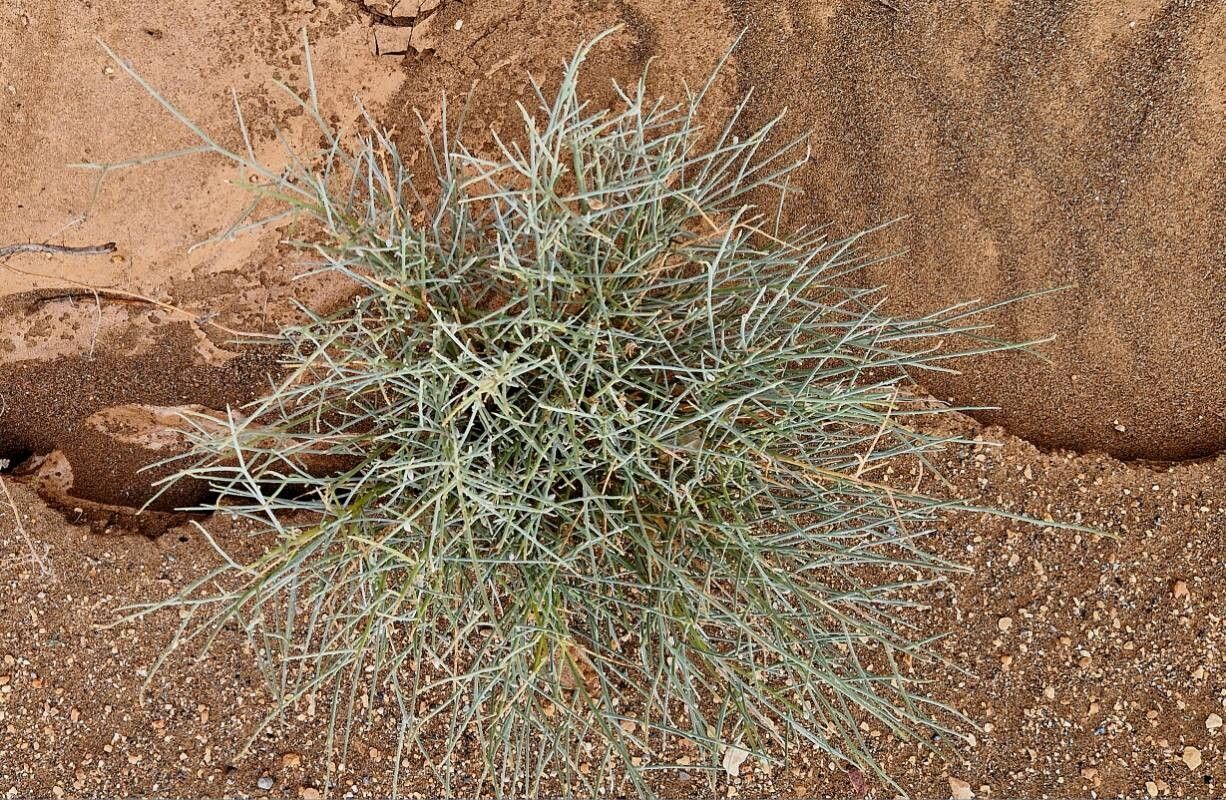
Taming the Desert Bloom: A Guide to Propagating the Enchanting Crotalaria saharae
The Sahara Desert, a land of scorching sun and vast emptiness, might seem an unlikely place for delicate beauty. Yet, amidst the dunes and harsh conditions, life persists, and sometimes even flourishes. One such marvel is the Crotalaria saharae, a flowering plant possessing an allure as captivating as its namesake desert.
While not commonly found in traditional gardens, the Crotalaria saharae has piqued the interest of plant enthusiasts and collectors drawn to its unique charm. And what exactly makes this desert dweller so special? Picture delicate, pea-like flowers in vibrant shades of yellow, occasionally tinged with purple hues, standing out against a backdrop of silvery-green foliage. Imagine these blossoms attracting a flurry of pollinators, adding a touch of bustling life to an otherwise stark landscape.
Intrigued? For those adventurous souls ready to welcome this desert gem into their homes or specialized gardens, here’s a guide to successful propagation:
1. Seed Starting: Braving the Desert Heat (and Dryness!)
- Timing is Key: Mimicking the plant’s natural environment is crucial. Begin seed starting indoors 6-8 weeks before the last expected frost.
- The Well-Drained Cradle: Opt for a seed starting mix designed for cacti and succulents. These blends offer excellent drainage, preventing waterlogging that can spell doom for Crotalaria saharae seedlings.
- Sowing the Seeds of Life: Lightly press the seeds onto the soil surface, barely covering them. Remember, these seeds are used to minimal coverage in their natural habitat.
- Warmth and Light: Place the seed trays in a warm, brightly lit location. A seedling heat mat can be used to maintain optimal germination temperatures (around 70-75°F).
- The Patience of a Desert Wanderer: Germination can take anywhere from 2 weeks to several months. Patience is key; resist the urge to overwater!
2. Transplanting: Finding the Right Oasis
- Hardening Off: Acclimatizing to the “New World”: Once seedlings develop a couple of true leaves, begin hardening them off. Introduce them gradually to outdoor conditions over a week or two.
- Choosing the Right Abode: Select a location with full sun exposure (at least 6 hours daily) and well-drained soil. A raised bed amended with sand and grit can help replicate the plant’s natural environment.
- Giving Space to Thrive: Space your seedlings 12-18 inches apart. This spacing allows for adequate airflow and prevents overcrowding.
3. Ongoing Care: Navigating the Delicate Balance
- The Art of Desert Watering: Water deeply but infrequently, allowing the soil to dry out completely between waterings. Overwatering is the quickest way to lose your Crotalaria saharae.
- Feeding the Bloom: These plants are adapted to nutrient-poor soils. While not strictly necessary, a light application of balanced fertilizer once during the growing season can be beneficial.
- Pests and Diseases: A Resilient Spirit: Crotalaria saharae is generally resistant to pests and diseases, another testament to its hardy nature.
A Rewarding Undertaking:
While propagating Crotalaria saharae requires a different approach compared to common garden plants, the rewards are well worth the effort. Witnessing the delicate blooms erupting from the silvery foliage, attracting a buzz of pollinators, brings a sense of satisfaction unlike any other. Embrace the challenge, and invite a touch of the Sahara’s unique beauty into your world.