
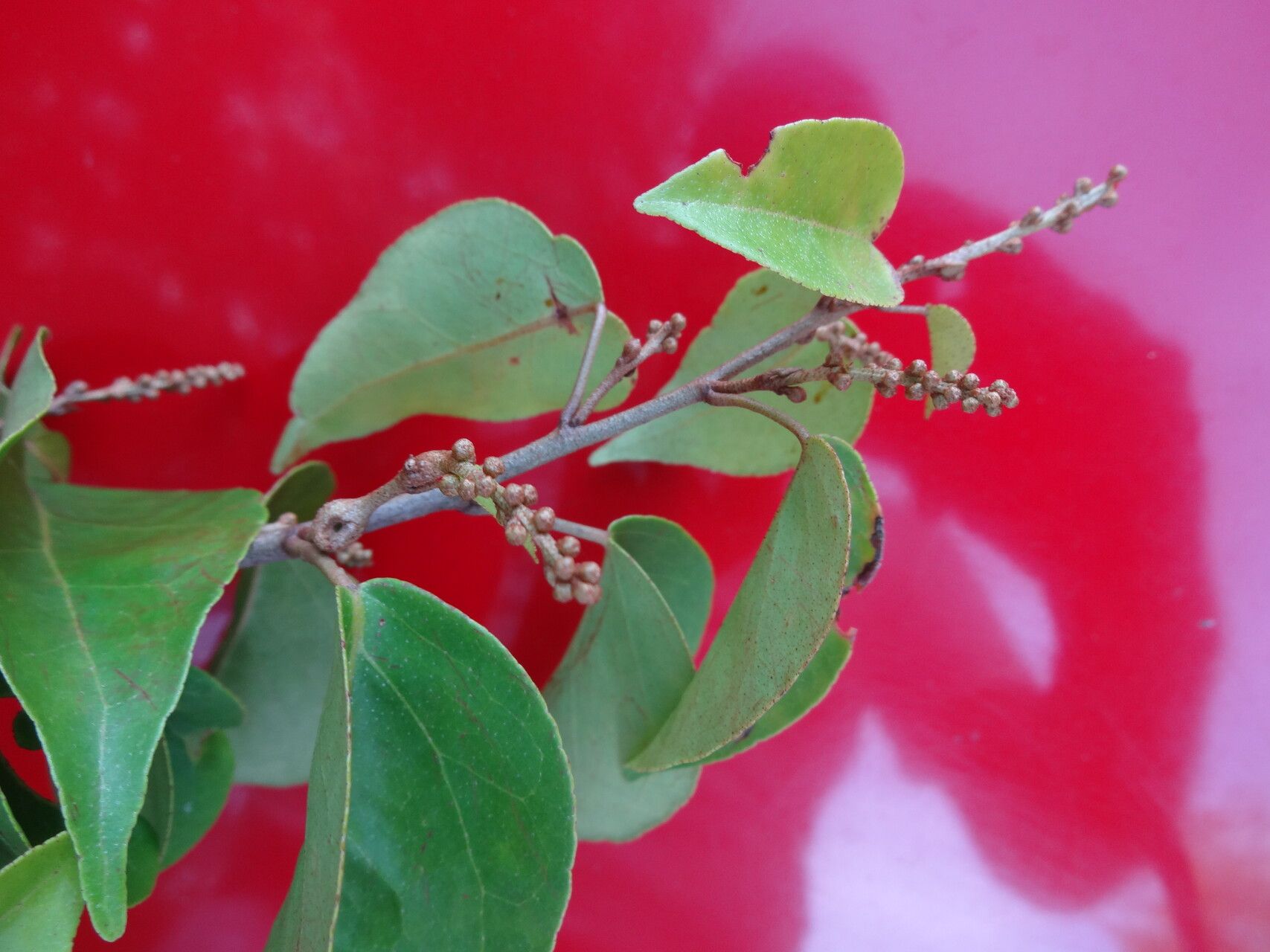
Taming the Tropics: Propagating the Vibrant Croton Arboreus
The Croton Arboreus, with its vibrant, almost painted-looking leaves, can add a splash of tropical paradise to any space. But did you know this captivating houseplant isn’t limited to just one pot? Propagating your own Croton Arboreus is an exciting way to expand your plant family and share the joy of these leafy wonders with friends.
While the thought of propagating a seemingly exotic plant might feel daunting, fear not! With the right knowledge and a dash of patience, even novice gardeners can master the art of Croton Arboreus propagation.
Let’s explore two successful methods:
1. Stem Cuttings:
This popular method involves carefully snipping a healthy stem from your existing plant. Here’s a step-by-step guide:
- Tools of the Trade: You’ll need a sharp, sterilized knife or pruning shears, a small pot filled with well-draining soil, and ideally, a rooting hormone (although not strictly necessary).
- Choosing the Right Stem: Select a stem that’s at least 4-6 inches long, healthy, and free of any damage or disease.
- Making the Cut: Using your sterilized tool, make a clean cut just below a leaf node. This node is crucial, as it’s where the new roots will develop. Remove the lower leaves on the cutting, leaving only a few at the top.
- Rooting Hormone (Optional): Dipping the end of the cutting in rooting hormone can encourage faster root development.
- Planting Your Cutting: Gently insert the prepared cutting into the prepared pot, ensuring the leaf nodes are buried in the soil.
- Creating a Humid Environment: Cover the pot with a clear plastic bag or use a humidity dome to create a warm, humid environment.
- Patience is Key: Place the pot in a warm, indirectly lit area and keep the soil consistently moist. Rooting can take anywhere from a few weeks to a couple of months. You’ll know new growth is a sign of successful rooting!
2. Air Layering:
Air layering is a slightly more advanced technique but boasts a higher success rate, especially for larger, more mature plants. Here’s how it works:
- Choose a Branch: Select a healthy, slightly woody branch to work with.
- Wounding the Branch: Carefully make a small, upward-angled cut about 1-2 inches below a leaf node.
- Encouraging Root Growth: Insert a toothpick or a small piece of plastic into the cut to prevent it from closing. You can apply rooting hormone to the wounded area for added encouragement.
- Creating a Sphagnum Moss Wrap: Wrap the wounded area with damp sphagnum moss, ensuring it completely envelopes the cut. Secure the moss in place using plastic wrap or aluminum foil.
- The Waiting Game: Keep the moss consistently moist and wait. Over time, roots will develop within the moss ball.
- Separating the New Plant: Once a healthy root system is visible through the moss, you can carefully cut the branch below the root ball and plant it into a separate pot.
Caring for Your New Croton Arboreus:
Once successfully rooted, your new Croton Arboreus will thrive in similar conditions to the mother plant. Provide them with bright, indirect light, well-draining soil, and consistent watering, allowing the top inch of soil to dry out between waterings.
Propagating your Croton Arboreus might seem like a botanical adventure at first, but with these simple techniques, you’ll soon be surrounded by a dazzling array of these vibrant plants, each one a testament to your growing skills!