
Propagating Croton cajucara: A Guide to Growing the Brazilian Cashew
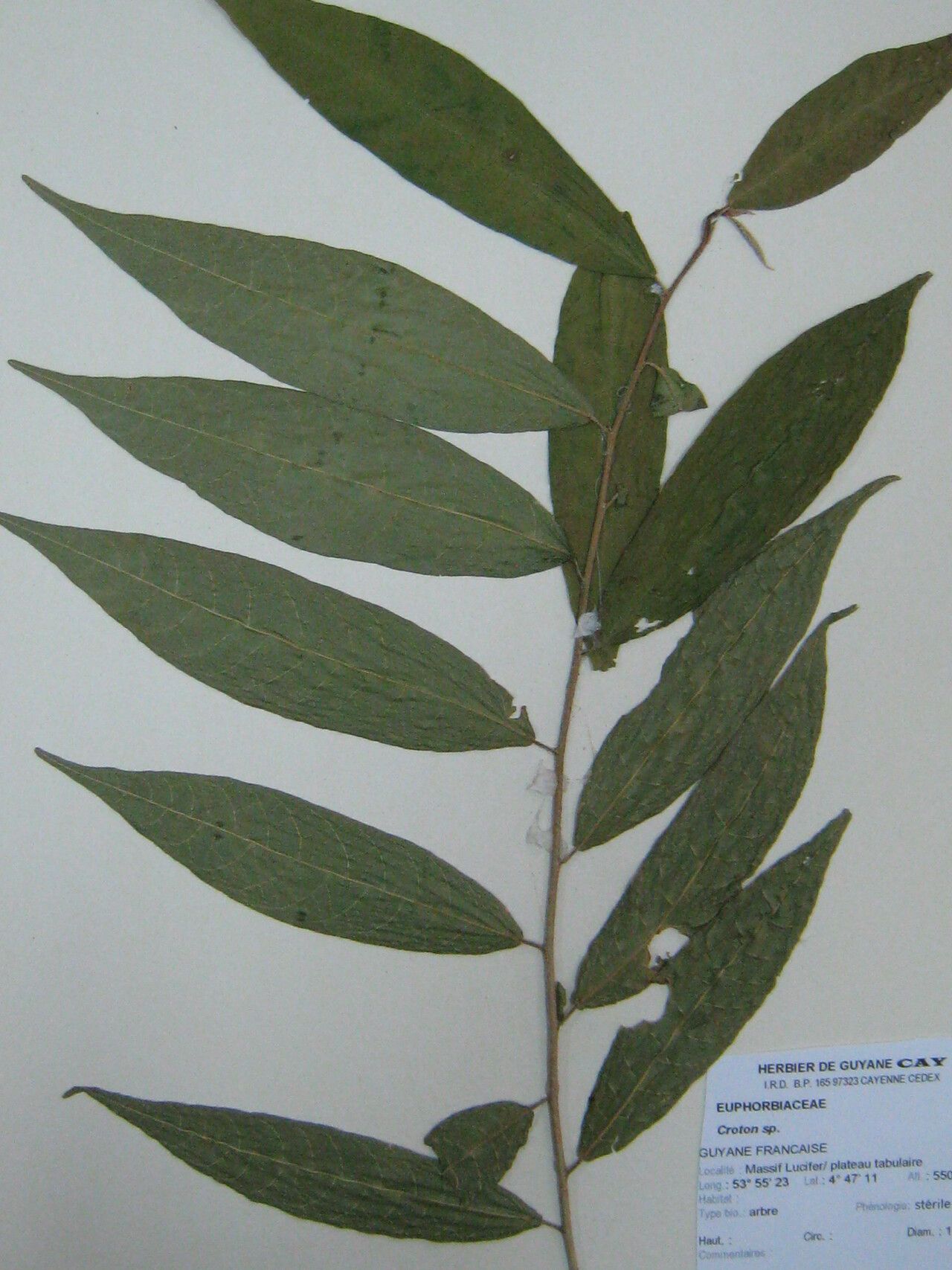
Croton cajucara, commonly known as sacaca or Brazilian cashew, is a fascinating shrub native to Brazil prized for its medicinal properties and attractive foliage. Its leathery leaves, often variegated in shades of green and sometimes tinged with red, make it a desirable addition to any garden. However, its propagation can present unique challenges, making successful cultivation all the more rewarding. Its popularity among herbalists and gardeners alike fuels the demand for propagation methods, pushing gardeners to explore various techniques.
Seed Germination:
Currently, there are no known reliable methods for seed germination propagation of Croton cajucara. While seeds may be produced, their viability is extremely low, and successful germination rates are practically nonexistent. Further research into specific germination requirements is needed before this method can be considered viable.
Cuttings:
Cuttings are the most commonly used and relatively successful method for propagating Croton cajucara. However, success hinges on careful technique.
Challenges: Root development can be slow and challenging. The risk of fungal diseases is also high if proper sanitation and environmental controls aren’t maintained.
Practical Tips: Semi-hardwood cuttings, taken in late spring or early summer, are ideal. These cuttings should be approximately 4-6 inches long, with several healthy leaves. Remove lower leaves to prevent rotting. Treat the cut ends with a rooting hormone to stimulate growth. Plant the cuttings in a well-draining, sterile propagation mix (like a perlite and peat moss blend) and maintain high humidity, ideally using a propagation dome or plastic bag. Consistent moisture is critical but avoid overwatering which leads to rot. Bottom heat can significantly improve root development.
Rewards: Cuttings offer a relatively quick and reliable method of producing genetically identical plants, preserving desirable traits. It is ideal for maintaining a specific cultivar.
Division:
Division is not a practical method for propagating Croton cajucara. The plant’s root system is not easily divided, and the process often results in damage to the mother plant, reducing its chances of survival.
Tissue Culture:
Tissue culture offers the potential for large-scale propagation and disease-free plants.
Challenges: Tissue culture requires specialized equipment, a sterile laboratory setting, and a deep understanding of plant tissue culture techniques. The process is costly and time-consuming.
Practical Tips: Explants (small pieces of plant tissue) should be carefully selected from healthy, disease-free plants. Sterile techniques are essential to avoid contamination. A suitable growth medium containing nutrients and hormones is necessary to encourage callus formation and shoot development.
Rewards: Tissue culture offers the potential for rapid multiplication of superior plants, freeing growers from the limitations of cuttings and resulting in significantly higher production.
Conclusion:
Propagating Croton cajucara presents unique challenges depending on the chosen method. While seed germination is currently impractical, cuttings offer a relatively accessible route to propagation, demanding patience and attention to detail. Division is not recommended. Tissue culture promises large-scale production but requires significant investment and expertise. Despite the hurdles, the satisfaction of nurturing a cutting into a thriving Croton cajucara, or even fostering the growth of a plant through the complexities of tissue culture, is immense. The vibrant foliage and potential medicinal uses make the effort worthwhile. Aspiring propagators should start with the cutting method, focusing on maintaining humidity, hygiene, and patience. With careful execution and persistence, the rewards of successfully cultivating this unique plant are plentiful.