
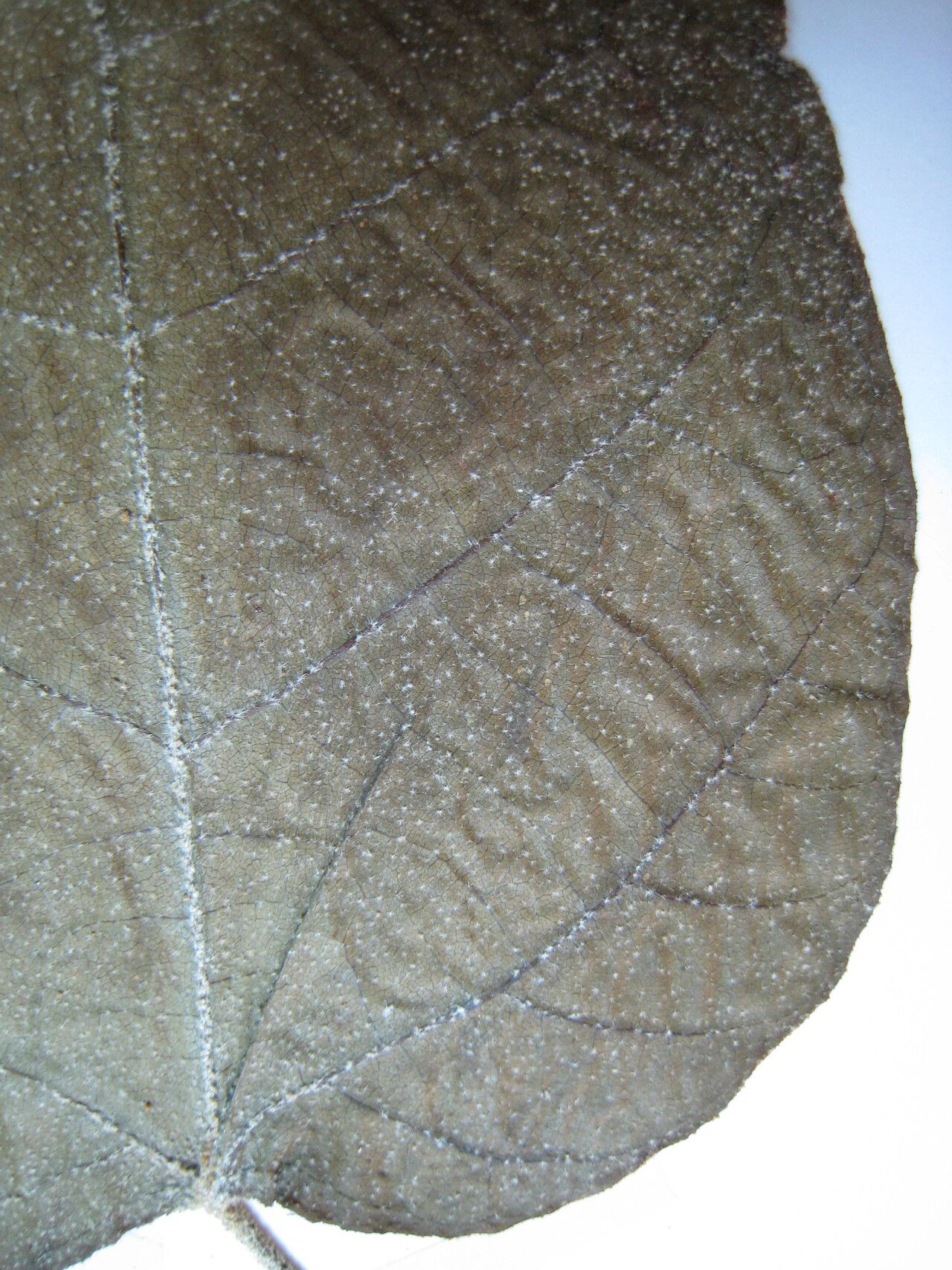
Unveiling the Secrets: How to Propagate the Striking Croton Draconoides
Looking for a new plant challenge that comes with a burst of color? Look no further than the Croton draconoides, also known as the Dragon’s Blood Croton. This vibrant, eye-catching beauty boasts leathery leaves splashed with fiery red, orange, and yellow hues that are sure to brighten any room. But beware – this tropical stunner can be a bit finicky! Don’t worry though, we’re here to unravel the secrets of successfully propagating your very own Croton draconoides.
Why Propagate?
Propagation, the art of creating new plants from existing ones, is an immensely satisfying and affordable way to expand your plant family. With Croton draconoides, you can share its unique beauty with friends or simply multiply your own collection.
The Power of Stem Cuttings
For the Croton draconoides, stem cuttings reign supreme as the most successful method of propagation. Here’s a step-by-step guide to follow:
1. Timing is Key: Spring or early summer, when the plant is actively growing, is the best time to take cuttings.
2. Choose Wisely: Select healthy stems with at least two to three nodes (small bumps where leaves emerge) and vibrant leaf growth.
3. Make the Cut: Using a sharp, sterilized knife or pruning shears, cut a 4-6 inch stem section just below a node at a slight angle. Remove the leaves from the bottom inch of the cutting to prevent them from rotting.
4. Hormone Boost (Optional): While not mandatory, dipping the cut end in rooting hormone powder can encourage faster and more successful root development.
5. Planting Time: You have two options:
- Soil Propagation: Plant the cuttings in a well-draining potting mix. Keep the soil consistently moist but not waterlogged.
- Water Propagation: Submerge the bottom inch of the cutting in a glass of water, ensuring no leaves are submerged. Change the water every two to three days.
6. Patience is a Virtue: Place your cuttings in a warm, brightly lit location, but out of direct sunlight. Rooting can take anywhere from 4 to 8 weeks depending on the method and conditions.
7. Signs of Success: New leaf growth indicates successful rooting. Once the roots are well-established (about an inch long for water propagation), you can transplant them into individual pots with a well-draining potting mix.
Tips for Success:
- Humidity is your friend: Croton draconoides thrives in humid environments. Cover your cuttings with a clear plastic bag or humidity dome to create a mini greenhouse and boost humidity.
- Don’t give up: Even with proper care, some cuttings may not root. Don’t be disheartened! Simply try again, adjusting your technique as needed.
A Final Word:
Propagating your Croton draconoides is a rewarding endeavor that allows you to connect with this stunning plant on a deeper level. While it may require some patience and attention to detail, the results—a thriving collection of these colorful beauties—are well worth the effort. So go ahead, unleash your inner plant parent, and watch your Croton draconoides family flourish!