
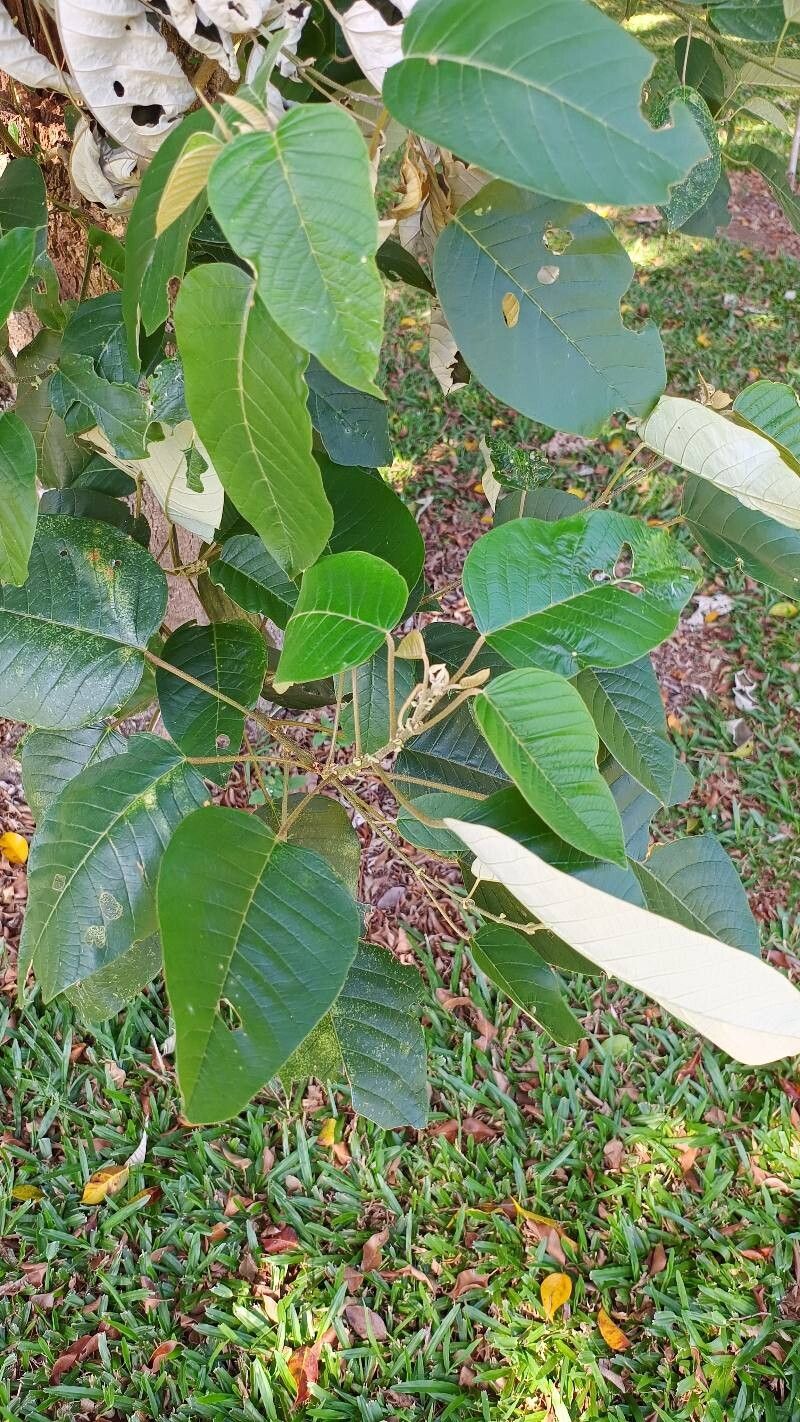
From One Plant to Many: Mastering the Art of Propagating Croton Floribundus
For plant lovers, the thrill of watching a tiny cutting blossom into a full-fledged plant is unmatched. And if you’re lucky enough to own a Croton floribundus, with its dazzling foliage of vibrant reds, oranges, yellows, and greens, propagation is a must-try! But fear not, even novice gardeners can successfully bring new life to this stunning houseplant.
Why Propagate?
- Abundant New Plants: Croton floribundus can be a bit on the pricey side, so starting new plants from cuttings can be much more economical.
- Share the Joy: Spread the vibrant beauty of your croton with friends and family by giving them a cutting to propagate themselves.
- Resurrect Droopy Plants: If your croton has lost some of its vibrancy, you can revitalize it by taking cuttings and starting fresh.
Getting Started: Choosing the Right Cuttings
- Timing: Spring and summer are ideal seasons for propagating croton, as the plant is actively growing and more receptive to new growth.
- The Cut: Select healthy, disease-free stems with at least three to four nodes (the bumps where leaves emerge). The ideal length for a cutting is about 4-6 inches.
- The Cut: Use a sharp pair of scissors or a knife and make a clean, angled cut just below a node.
Methods for Propagation
1. Stem Cuttings in Water
- Preparation: Remove the bottom leaves from the cutting, leaving just the top two or three leaves.
- Water: Place the cut end of the cutting in a clean glass or jar filled with fresh water.
- Light: Put the container in a bright, indirect light setting.
- Change the Water: Change the water every two to three days to prevent algae and keep it fresh.
- Roots: Watch for root development, typically within a few weeks.
2. Stem Cuttings in Soil
- Preparation: Dip the cut end of the cutting into a rooting hormone powder or gel.
- Soil: Choose a well-draining potting mix, and fill a small pot.
- Planting: Insert the cutting into the soil, ensuring that at least one node is buried.
- Water: Water the cutting thoroughly, allowing excess water to drain.
- Humidity: Creating a humid environment around the cutting will encourage root development. You can cover the pot with a plastic bag or dome.
- Light: Place the pot in a warm, bright location, avoiding direct sunlight.
Tips for Success
- Patience: Propagation takes time. Be patient and don’t give up if you don’t see results right away.
- Ventilation: When using a plastic bag or dome to create humidity, make sure to vent the container regularly to prevent fungal growth.
- Temperature Consistency: Croton cuttings thrive in warm environments. Aim for a temperature range of 70-75°F (21-24°C).
- Fertilizer: Once roots have formed, you can start fertilizing the new plant with a balanced liquid fertilizer diluted to half strength.
Your New Croton Floribundus Awaits
With a bit of patience and care, you can easily propagate your beloved Croton floribundus and enjoy the thrill of nurturing new life. Remember, every successful propagation is a testament to your green thumb and a reminder of the beauty and resilience of plants. Happy propagating!