
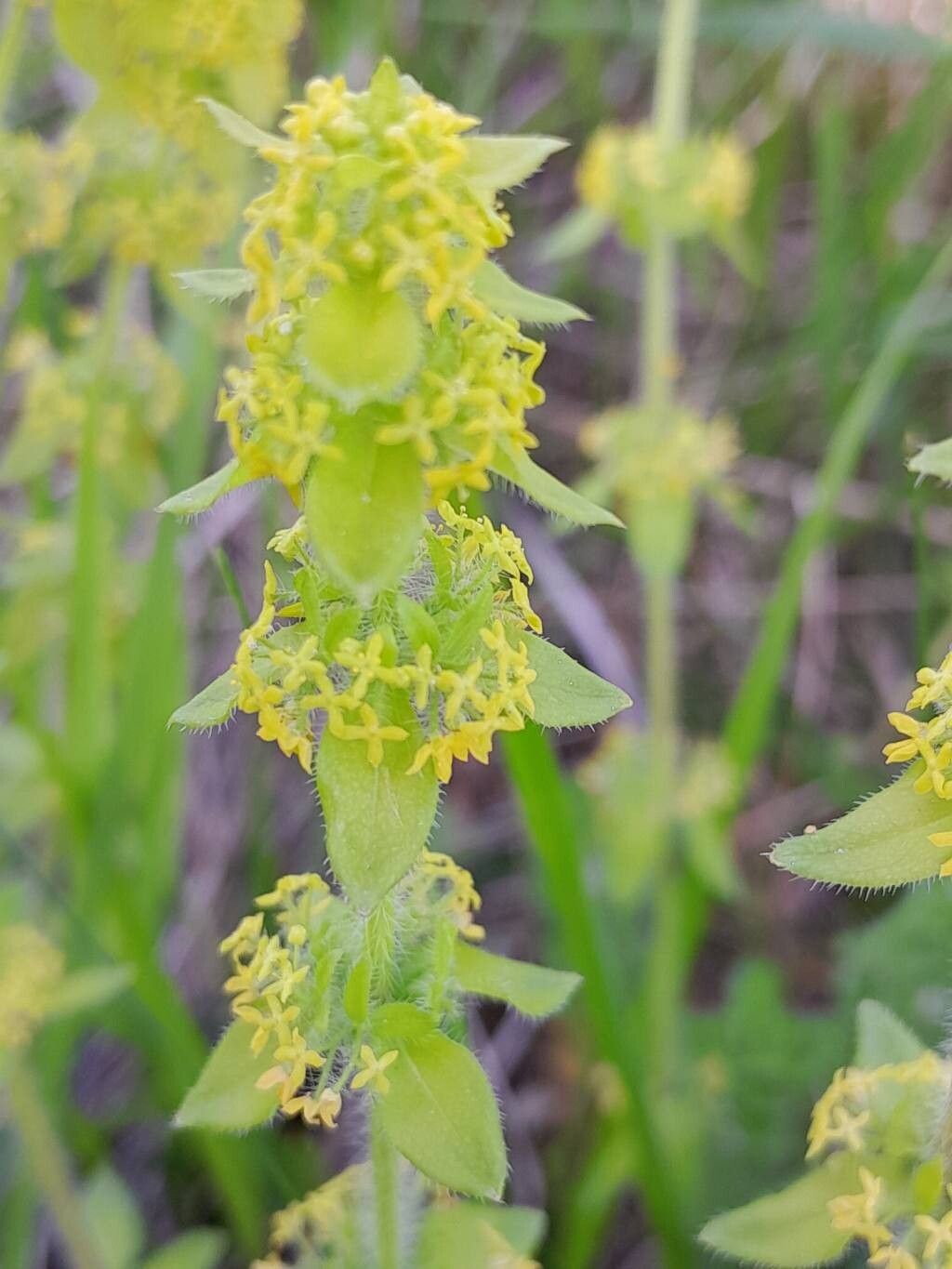
Cruciata laevipes: Unlocking the Secrets of Propagation
Cruciata laevipes, also known as the “crosswort”, is a charming, low-growing perennial known for its delicate, star-shaped flowers and vibrant green foliage. While its beauty is undeniable, propagation can sometimes seem like a mystery. But fear not, plant enthusiasts! This post will guide you through the fascinating and rewarding world of propagating Cruciata laevipes.
The Basics of Propagation
Propagation, in simple terms, is the process of creating new plants from existing ones. There are two main methods for Cruciata laevipes:
- Seed Propagation: This involves collecting seeds from mature plants and sowing them in a suitable medium.
- Vegetative Propagation: This relies on taking cuttings from the parent plant and encouraging them to develop roots.
Seed Propagation: A Journey From Seed to Bloom
Seed propagation offers a chance to cultivate numerous Cruciata laevipes plants from a single seed batch. This process often involves:
- Seed Collection: Collect ripe seeds from the plant’s seedpods.
- Seed Storage: Store the seeds in a cool, dry place until you’re ready to sow.
- Sowing: Sow seeds in a seed tray filled with seed-starting mix. Lightly cover the seeds with the medium and keep the soil moist.
- Germination: Place the tray in a sunny location with temperatures around 65-75°F. Germination generally takes 2-4 weeks.
- Transplanting: Once seedlings have developed several true leaves, they can be transplanted into individual pots.
Vegetative Propagation: A Direct Route to New Plants
Vegetative propagation is often favored for its speed and simplicity, as it produces clones of the parent plant. This method typically involves:
- Cuttings: Take stem cuttings from healthy, non-flowering branches. Each cutting should be about 4-6 inches long and have several leaf nodes.
- Root Hormone: Dip the cut end of the stem in rooting hormone to stimulate root growth.
- Planting: Pot the cuttings in a suitable pot, ensuring the cutting is buried deep enough for the nodes to be beneath the soil. Keep the soil moist, but not soggy.
- Root Development: Create a humid environment by covering the potted cuttings with a plastic dome or bag to promote root development.
- Care: Once roots develop (typically within 3-4 weeks), gradually acclimate the cuttings to open air.
Tips for Success
- Choose the Right Time: Spring and early summer are ideal for both seed and stem cutting propagation.
- Use High-Quality Soil: Opt for well-draining, fertile potting mix for both seedlings and cuttings.
- Provide Proper Light: Expose young plants to bright, indirect sunlight.
- Maintain Consistent Moisture: Keep the soil moist, but not waterlogged.
- Protect from Pests and Diseases: Inspect plants regularly and address any issues promptly.
Conclusion
Propagation offers a gateway to expanding your Cruciata laevipes collection and sharing its beauty with others. Whether you choose the slow and steady journey of seed propagation or the faster and more direct route of vegetative propagation, both methods will yield rewarding results and bring the delightful charm of Cruciata laevipes into your garden. By understanding the basic steps and following a few simple tips, you can unlock the secrets of propagation and cultivate these delightful plants for years to come.