
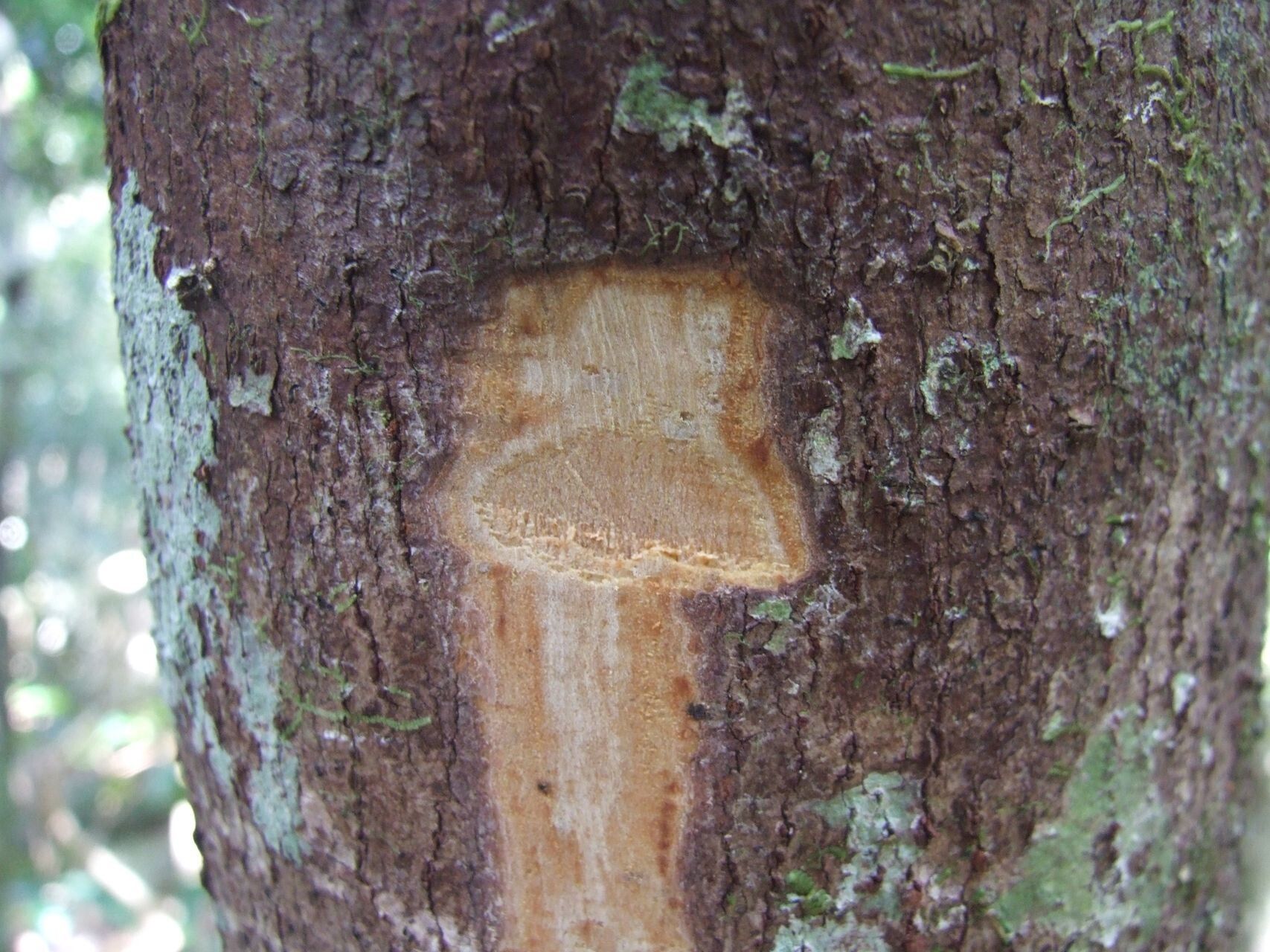
Unlocking the Secrets of Propagation: How to Grow Your Own Cryptocarya Barrabeae
The Cryptocarya barrabeae, also known as the Blackbutt Walnut, is a stunning Australian native tree prized for its rich timber and aromatic leaves. But did you know, you can unlock the secrets of propagation and grow your own Blackbutt Walnut? This article will guide you through the fascinating process of bringing this majestic tree into your own garden or landscape.
Understanding the Basics of Propagation
Propagation refers to the process of creating new plants from existing ones. There are two primary methods used for this: sexual propagation (from seeds) and asexual propagation (from cuttings, grafting, or tissue culture). For Cryptocarya barrabeae, both methods can be successful, but each presents its own unique challenges and rewards.
Seeds: A Journey from Tiny to Tree
The journey from Blackbutt Walnut seed to mature tree is a beautiful one. Seed propagation is the natural way, offering the chance to enjoy genetic diversity and witness the magic of germination. Here’s a step-by-step guide:
- Harvesting seeds: Collect ripe Blackbutt Walnut fruits, usually around autumn.
- Seed preparation: Extract the seeds and remove any fleshy pulp. Allow them to dry for a few days before sowing.
- Sowing the seeds: Use a well-draining potting mix and sow the seeds directly into pots or a seed tray. Cover them lightly with soil and keep the soil moist.
- Germination: Blackbutt Walnut seeds can take several months to germinate, so be patient. They need warmth and light to sprout.
- Growing on: Once seedlings emerge, transfer them into larger pots and continue to provide them with optimal growing conditions. You can then gradually harden them off before transplanting them outdoors.
Challenges: Seed germination rates can vary, and growth can be slow in the early stages.
Cuttings: Replicating the Blackbutt’s Character
Cuttings offer a faster and more reliable method to propagate the Blackbutt Walnut. You can replicate the exact genetic makeup of your parent plant, preserving its unique traits. Here’s how:
- Taking cuttings: Select healthy branches from your chosen plant. Choose semi-hardwood cuttings (from new growth that’s slightly hardened).
- Preparing the cuttings: Use a sharp knife or pruning shears to make clean cuts at an angle. Remove any lower leaves and apply rooting hormone to the cut ends.
- Planting the cuttings: Insert the cuttings into a suitable rooting medium, such as a mixture of perlite and vermiculite or a specialized rooting mix.
- Environmental conditions: Maintain high humidity and warmth. You can use humidity domes or propagation trays.
- Rooted cuttings: It can take several weeks or even months for the cuttings to develop roots. Once rooted, transplant them into larger pots and gradually acclimate them to outdoor conditions.
Challenges: Not all cuttings will root successfully. The technique requires attention to detail and proper care.
Choosing the Right Method
The best method for you depends on your goals and resources. If you’re looking for a challenging and rewarding experience, seed propagation is an exciting option. For reliable and quicker results, taking cuttings is a great choice.
No matter which method you choose, patience and careful observation are key to successfully propagating Cryptocarya barrabeae. It’s a fulfilling journey, culminating in the joy of cultivating a majestic tree with its unique character. With dedication and the right techniques, you can bring the beauty and fragrance of the Blackbutt Walnut into your own backyard, contributing to the legacy of this magnificent Australian species.