
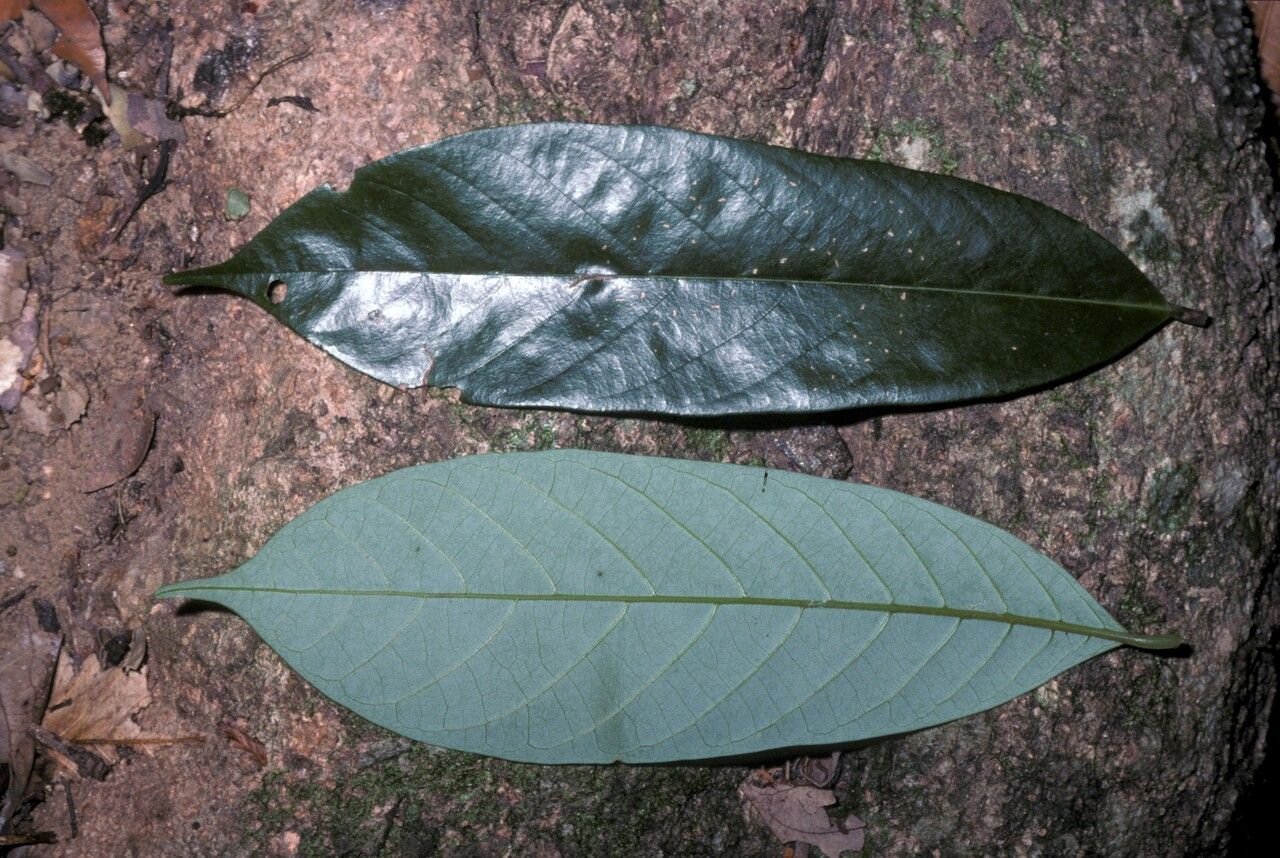
Propagating Cryptocarya wightiana: A Gardener’s Guide
Introduction
Cryptocarya wightiana, commonly known as the Malabar laurel or wild cinnamon, is a captivating evergreen tree valued for its aromatic leaves, dense foliage, and potential for use in traditional medicine and as a spice alternative. Its attractive qualities have earned it a place of increasing popularity among gardeners seeking unique and hardy additions to their landscapes. However, propagating this species can present unique challenges, demanding careful consideration of various techniques. This article explores different propagation methods, highlighting their successes and limitations.
Seed Germination
Currently, there are no known reliable methods for seed germination propagation of Cryptocarya wightiana. While the plant produces seeds, their viability and germination rate are extremely low, making this method impractical for most gardeners. Further research is needed to identify any specific pre-treatment (such as stratification or scarification) that might improve germination success.
Cuttings
Cuttings offer a more promising avenue for propagating Cryptocarya wightiana.
Challenges: The success rate of cuttings depends heavily on factors like the timing (semi-hardwood cuttings taken in late summer or early autumn are often best), the use of rooting hormones (IBA is recommended), and the provision of a humid, warm environment. The relatively slow rooting process requires patience.
Practical Tips: Take 8-10cm cuttings from healthy, non-flowering shoots. Remove lower leaves and dip the cut ends in a rooting hormone solution before planting in a well-draining propagation mix (e.g., perlite and peat moss). Maintain high humidity using a propagator or plastic cover, and ensure consistent warmth (around 25°C). Mist regularly to maintain moisture.
Rewards: Cuttings offer a faster way to propagate compared to other methods, and they preserve the exact genetic characteristics of the parent plant. This is particularly beneficial if you are propagating a superior cultivar.
Division
Division is generally not a viable propagation method for Cryptocarya wightiana due to its tree-like nature and deep root system. Mature plants are not easily divided without significant damage to the root system and overall plant health.
Tissue Culture
Tissue culture presents a potential, albeit specialized, method for propagating Cryptocarya wightiana.
Challenges: Tissue culture requires a sterile lab environment, specialized equipment, and significant expertise in plant tissue culture techniques. Establishing the right medium and growth regulators is crucial for successful shoot multiplication and root development. It’s a costly and time-consuming method.
Practical Tips: This method requires professional expertise and is not easily feasible for the home gardener.
Rewards: Tissue culture offers the potential for mass propagation of genetically identical plants, preserving superior qualities and aiding conservation efforts. This method can also be used to produce disease-free plants.
Conclusion
Propagating Cryptocarya wightiana presents notable challenges, with seed germination proving unreliable and division infeasible. Cuttings offer the most practical method for the home gardener, requiring patience, attention to detail, and the use of proper techniques. Tissue culture meanwhile, presents a potential large-scale propagation solution but requires significant expertise and resources. The rewards of successfully propagating this unique and aromatic tree are substantial, offering the gratification of nurturing a beautiful and valuable plant from a cutting and sharing its beauty with others. The perseverance required makes the eventual success all the more rewarding, encouraging aspiring propagators to embrace the challenge and enjoy the journey. Remember to research specific conditions and needs for your local climate and plant material.