
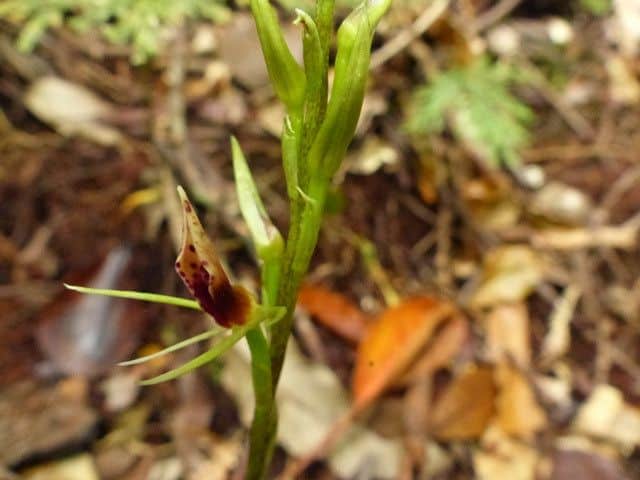
Orchid Enigma: Unlocking the Secrets of Cryptostylis arachnites Propagation
The world of orchids is one of intricate beauty and fascinating biology, and the Cryptostylis arachnites, commonly known as the Spider Orchid, is no exception. This captivating Australian native boasts a unique charm with its spider-like blooms, but beyond its aesthetic appeal lies a fascinating tale of reproduction that makes propagation a rewarding challenge for orchid enthusiasts.
Understanding the Unusual: Sexual Mimicry and Wasp Power
Unlike many orchids that rely on sweet nectar and vibrant colors to attract pollinators, the Cryptostylis arachnites utilizes an ingenious and somewhat deceptive tactic – sexual mimicry. Its flowers remarkably resemble the female wasp of the Lissopromura species, not just in appearance but also in scent!
When a male wasp, lured by this deceptive call of nature, attempts to mate with the orchid flower, a fascinating process unfolds. In its fervent attempts, the wasp comes into contact with the orchid’s pollen packets, called pollinia, which cleverly attach themselves to the wasp’s body. This unwitting pollinator then carries the pollinia to another Cryptostylis arachnites flower, facilitating cross-pollination in a surprisingly efficient manner.
The Propagation Puzzle: Seed vs. Division
Given this unique pollination process, it’s understandable that propagating the Cryptostylis arachnites is not a simple task.
Seed Propagation: The Symbiotic Challenge: Like many orchids, Cryptostylis arachnites seeds are incredibly small and lack endosperm, the nutrient-rich tissue found in most seeds. This means they need help germinating. In their natural environment, they rely on a symbiotic relationship with specific mycorrhizal fungi present in the soil. Replicating this in a home setting requires specialized knowledge, sterile environments, and a good dose of patience.
- Division: A More Accessible Route: A more achievable method for hobbyists is division, but even this comes with caveats. This orchid spreads via underground rhizomes, eventually forming clumps. Carefully dividing these clumps can create new plants, but timing is crucial. Division should be done during the plant’s active growth phase, typically after flowering, ensuring each division has adequate roots and rhizome to support its growth.
Tips for Success:
Replicating the Natural Habitat: Whether you choose seed or division, recreating the natural growing conditions of Cryptostylis arachnites is paramount. Well-draining, humus-rich potting media, mimicking the dappled light conditions of the forest floor, and maintaining consistent moisture will go a long way.
- Patience is Key: Orchids are known for their slow growth, and the Cryptostylis arachnites is no exception. Don’t be disheartened if you don’t see results immediately. Consistent care and patience are crucial for success.
Propagating the Cryptostylis arachnites might be a challenging endeavor, but the reward of seeing these unique orchids thrive under your care is unparalleled. By understanding the orchid’s intricate relationship with its pollinator and replicating its natural environment, you can increase your chances of success and contribute to the conservation of this fascinating species.