
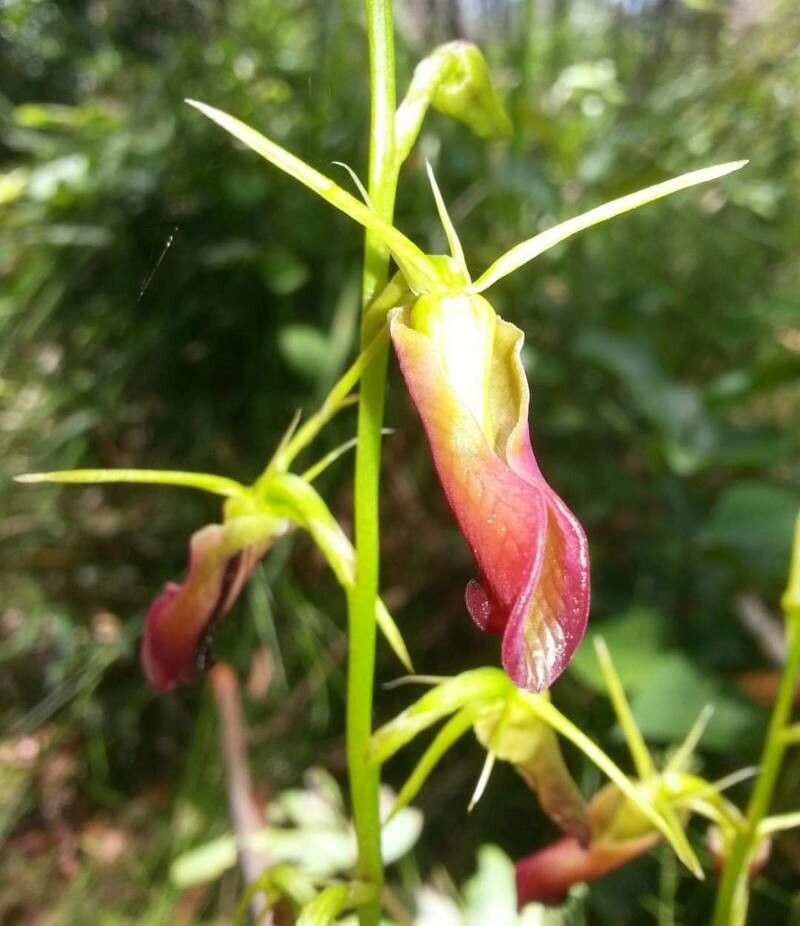
Unlocking the Secrets: Propagating the Orchid that Thinks it’s a Wasp
The world of orchids is full of surprises, but few are as captivating as the Cryptostylis subulata, commonly known as the Large Tongue Orchid. This Australian native has evolved a cunning strategy for reproduction, mimicking the appearance and scent of a female wasp to attract its pollinator! But what about propagating this fascinating orchid at home? While not for the faint of heart, understanding the unique lifecycle of C. subulata is the key to successfully growing new plants.
The Wasp Connection: Before we delve into propagation, it’s essential to understand the crucial role wasps play. C. subulata is pollinated exclusively by the male Ichneumonid wasp. The orchid mimics the female wasp’s appearance with its tongue-like labellum and even releases pheromones similar to the female wasp. This deception is so effective that male wasps attempt to mate with the flower, inadvertently transferring pollen in the process.
Propagation Methods:
Seed Propagation: As with many orchids, growing C. subulata from seed is a delicate and challenging endeavor. Orchid seeds are incredibly small and lack the energy reserves found in most other seeds. They require a symbiotic relationship with specific mycorrhizal fungi to germinate and grow. In a lab setting, seeds are sown on a sterile nutrient medium where the fungi can be introduced. This method, while rewarding, necessitates sterile conditions and specialized knowledge, making it less suitable for home growers.
- Division: A more accessible method for hobbyists is division. Mature C. subulata plants often produce multiple pseudobulbs – swollen stem sections that store water and nutrients. Division involves carefully separating these pseudobulbs, ensuring each section has healthy roots attached. These divisions can then be potted up individually, creating new plants.
Steps for Successful Division:
- Timing: Ideally, divide your C. subulata after flowering when new growth begins to emerge. This ensures the divisions have ample energy reserves.
- Preparation: Use a sterilized cutting tool and prepare pots with a well-draining orchid potting mix.
- Division: Carefully remove the plant from its pot and gently tease apart the pseudobulbs.
- Potting: Plant each division in its pot, ensuring the base of the pseudobulb sits level with the potting mix.
- Aftercare: Water sparingly until new growth appears, indicating the roots are established.
Challenges and Considerations:
Propagating C. subulata, while possible, presents unique challenges:
- Mycorrhizal Fungi: The orchid’s reliance on specific fungi for seed germination makes it difficult to replicate in a home environment.
- Pollination: Successful seed production relies on the presence of the specific pollinator wasp, making it unlikely in areas outside its native range.
- Patience: Orchid propagation, especially from seed, is a slow process, often taking several years to produce a flowering plant.
Despite these challenges, the allure of the Cryptostylis subulata remains strong. Understanding its unique lifecycle and employing appropriate propagation techniques can offer enthusiasts the chance to cultivate and appreciate this botanical marvel. Successfully growing this orchid is a testament to patience, skill, and a deep appreciation for the wonders of the natural world.