
Propagating Culcitium nivale: A Challenging but Rewarding Endeavor
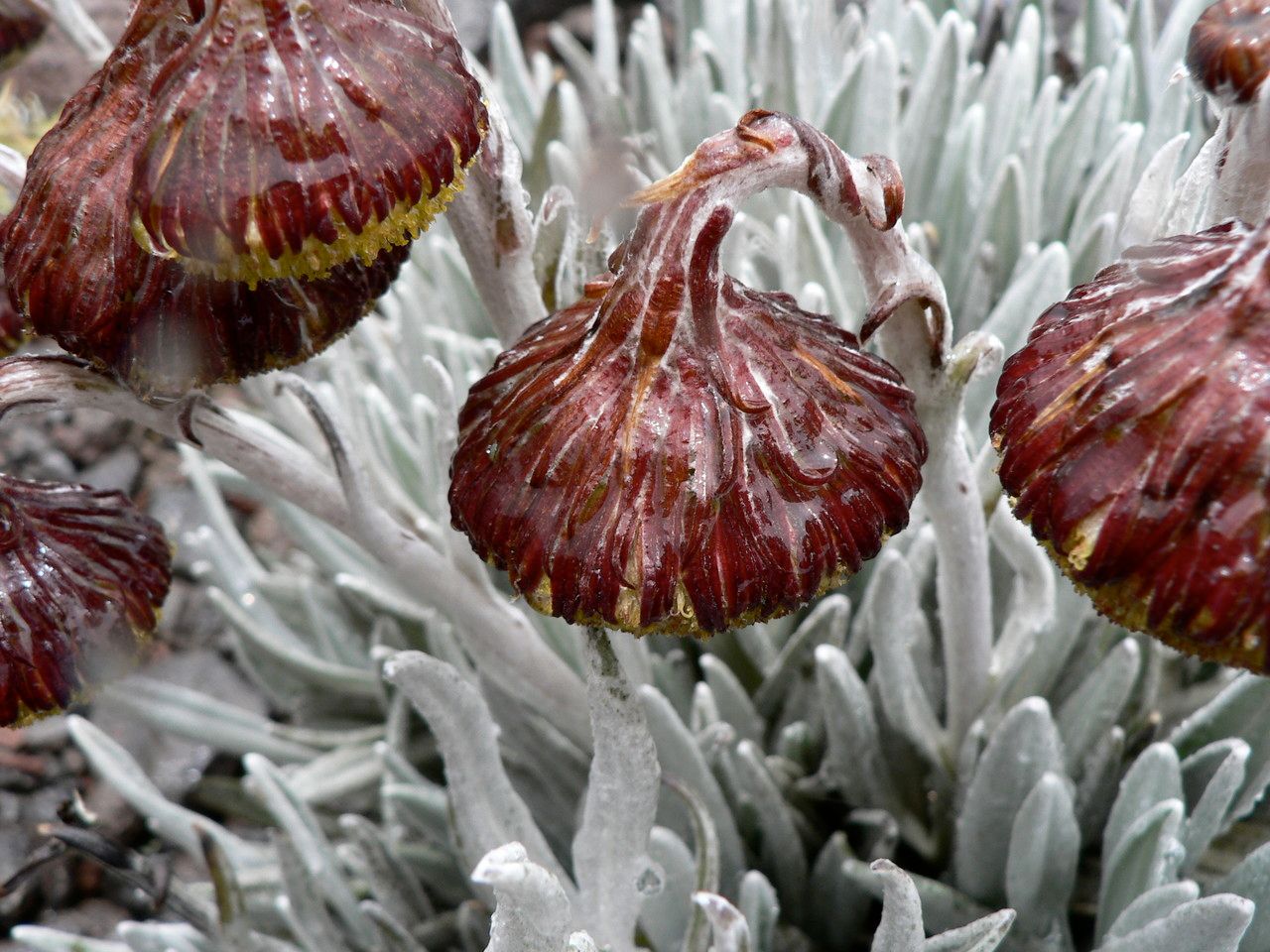
Culcitium nivale, commonly known as the snow cushion or snow cushion plant, is a captivating alpine species prized for its dense, low-growing habit and charming, small flowers. Its ability to thrive in harsh, high-altitude conditions makes it a fascinating addition to rock gardens and alpine troughs, although its popularity among gardeners is somewhat limited due to the challenges associated with its propagation. This article explores the various methods for propagating this unique and desirable plant.
Seed Germination:
Currently, there are no known reliable methods for seed germination propagation of Culcitium nivale. While seed production may occur in nature, successful germination under cultivated conditions has proven elusive. Further research into specific germination requirements, such as light exposure, temperature stratification, and specific media, is needed before seed propagation can be considered a viable option.
Cuttings:
Propagating Culcitium nivale via cuttings presents a more promising avenue, although success still requires patience and precision.
Challenges: Cuttings are notoriously slow to root, and the plant’s small size can make taking suitable cuttings difficult. The risk of rotting before root development is significant.
Tips: Use sharp, sterile instruments to take semi-hardwood cuttings in late summer or early autumn. Employ a rooting hormone to stimulate root development. Plant the cuttings in a well-draining, sterile propagation mix, ideally under a humidity dome or in a propagator to maintain high humidity levels. Maintain consistently moist but not waterlogged conditions. Avoid direct sunlight.
Rewards: Successful rooting of cuttings results in genetically identical offspring, preserving desirable traits. This method is suitable for smaller-scale propagation to increase the number of plants within a collection.
Division:
Division is another viable, albeit less efficient, propagation method for Culcitium nivale.
Challenges: Culcitium nivale forms dense, compact cushions, making division challenging without causing significant damage to the mother plant or resulting clumps that are too small to survive. The risk of rotting is high if the divided sections are not handled carefully.
Tips: Divide carefully in early spring or autumn, separating the plant into smaller clumps with established roots and plenty of healthy foliage. Ensure each division has a good root system. Plant each division immediately into well-draining soil, maintaining moist conditions until they are established.
Rewards: Division offers a relatively quick way to increase the number of plants and results in the propagation of individual traits present in the mother plant.
Tissue Culture:
Tissue culture offers potentially the most efficient method for propagating Culcitium nivale, though expertise and specialized equipment are essential.
Challenges: Establishing effective tissue culture protocols for a recalcitrant species like Culcitium nivale can be complex, expensive, and time-consuming. The success rate may depend on carefully selected media compositions, hormones, and aseptic conditions.
Tips: Seek expertise from experienced tissue culture laboratories. Utilizing sterile techniques and optimizing nutrient media are critical.
Rewards: Tissue culture allows for large-scale propagation and is suited to conservation efforts, allowing for the mass production of genetically identical plants.
Conclusion:
Propagating Culcitium nivale presents significant challenges. While seed germination is currently not viable, cuttings and division offer limited but achievable methods. Tissue culture remains the most promising route for large-scale propagation, but its demands require specialist knowledge. The rewards, however, are substantial, granting the satisfaction of cultivating a highly specialized and challenging alpine plant. For aspiring propagators, persistence, patience, meticulous technique, and attention to detail are key to success. The achievement, however, brings a unique sense of accomplishment, a testament to dedication in the world of alpine horticulture. The delicate beauty of the snow cushion, painstakingly propagated, stands as a rewarding symbol of your horticultural skill.