
Propagating Cumulopuntia boliviana: A Guide for the Determined Cactus Enthusiast
Introduction
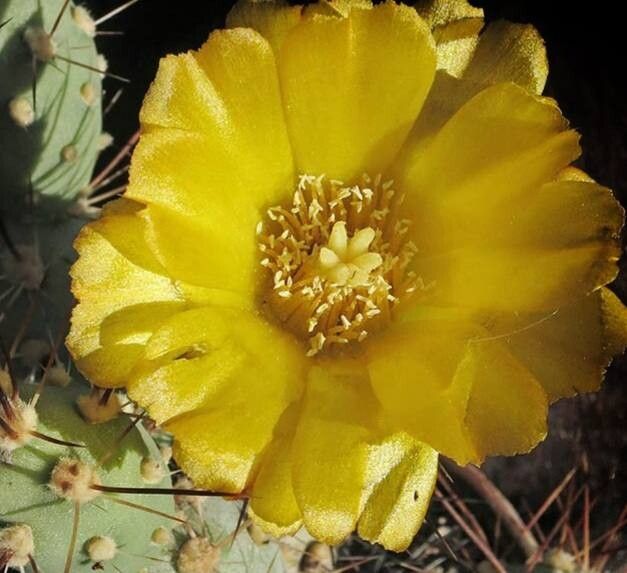
Cumulopuntia boliviana, sometimes known as the Bolivian cushion cactus, is a captivating species prized for its striking, densely clustered, cylindrical stems, creating a visually stunning, almost cushion-like appearance. Its intriguing morphology and relative ease of care (once established) have led to growing popularity among cactus enthusiasts. However, propagation can present unique challenges, making successful cultivation particularly rewarding. This article explores various propagation methods for Cumulopuntia boliviana, outlining both the challenges and rewards involved.
Seed Germination:
Currently, there are no known reliable methods for seed germination propagation of Cumulopuntia boliviana. While seeds may be produced, germination rates are exceptionally low, even under optimal conditions. The hard seed coat and potential dormancy mechanisms likely contribute to this difficulty. Further research is needed to determine if specific pre-treatment methods, such as scarification or specific temperature stratification, could improve germination success.
Cuttings:
Cuttings represent the most commonly used and reliable method for propagating Cumulopuntia boliviana.
- Challenges: While relatively straightforward, improper technique can lead to rot. The cuttings need time to callous before planting to prevent fungal infections.
- Practical Tips: Take stem cuttings of approximately 4-6 inches long during the growing season (spring/summer). Allow the cut end to callous over for 7-10 days in a dry, well-ventilated area. Plant the cuttings in well-draining cactus and succulent potting mix, ensuring only the bottom inch or so is buried. Water sparingly only after the cutting shows signs of new growth. Avoid overwatering, which is a major cause of failure.
- Rewards: Cuttings offer a relatively quick and efficient method of propagation, allowing for rapid increase in plant numbers. It’s also a simple technique even for novice propagators.
Division:
Division is a viable option, particularly for larger, mature plants that have naturally formed offshoots or clumps.
- Challenges: Dividing the plant too aggressively can damage the roots and stems, leading to plant stress and failure. Correct timing is crucial.
- Practical Tips: Divide the plant during its active growing season. Carefully separate the offsets, ensuring each division has a healthy root system and stem. Allow the divided sections to callous slightly before planting them individually in well-draining potting mix.
- Rewards: Division is a fast way to increase the number of plants, especially when dealing with mature, well-established specimens. It also maintains the exact characteristics of the parent plant.
Tissue Culture:
- Challenges: Tissue culture requires specialized equipment, sterile lab conditions, and expertise in plant tissue culture techniques. It is not a method suitable for home propagation.
- Practical Tips: This method requires a controlled laboratory setting and is beyond the scope of a home propagator. Specialized media, growth regulators, and sterile techniques are essential for success.
- Rewards: If successful, tissue culture offers immense potential for large-scale propagation and the potential for disease-free plants.
Conclusion:
Propagating Cumulopuntia boliviana presents a unique set of challenges, with seed germination proving notably difficult. Cuttings and division, however, offer achievable methods for increasing the number of plants, even for amateur enthusiasts. While the initial hurdle of learning proper technique exists, the rewards from successfully propagating this striking cactus, overcoming the inherent difficulties, are substantial. The patience required translates to a deep satisfaction in witnessing the growth and development of these hardy plants, a testament to your dedication and horticultural skill. Don’t be discouraged by initial setbacks – with persistence and the right approach, success in propagating this captivating cactus is within your reach.