
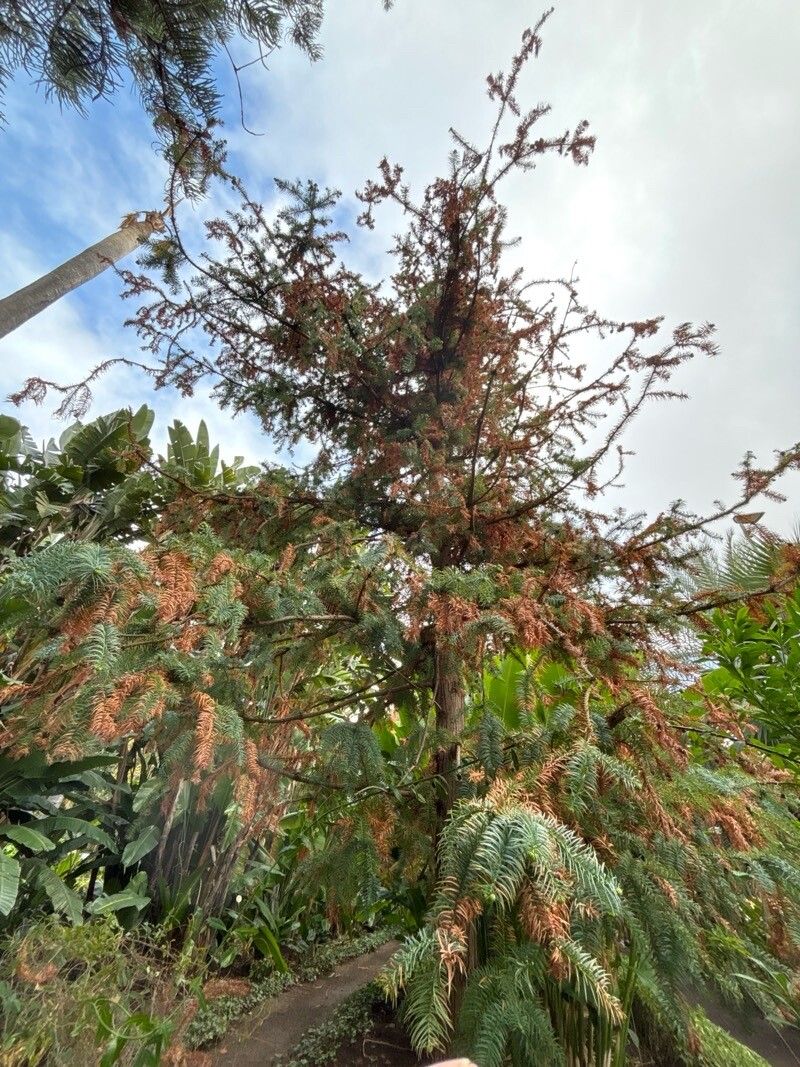
Unlocking the Secrets of Taiwan Fir Propagation: A Guide for Growing Cunninghamia konishii
The Taiwan fir, or Cunninghamia konishii, is a majestic conifer with gracefully arching branches and a distinctive pyramid shape. Native to the mountainous regions of Taiwan, this evergreen beauty captivates with its lush foliage and impressive stature, making it a sought-after specimen for gardens and parks worldwide. While acquiring a young tree is an option, propagating your own Cunninghamia konishii is a rewarding journey that connects you deeper to the plant’s lifecycle.
While challenging, successfully propagating Taiwan fir is possible with patience and the right techniques. This guide explores two primary methods:
1. Propagation from Seed:
This method requires a bit more patience, as Cunninghamia konishii seeds can be notoriously slow and sometimes challenging to germinate.
- Sourcing Seeds: Obtain fresh seeds from a reputable supplier to maximize viability.
- Stratification (Optional): While not strictly necessary, cold-stratifying seeds by placing them in moist sand or peat moss in the refrigerator for 4-6 weeks can improve germination rates.
- Sowing: Sow seeds in a well-draining seed starting mix, covering them lightly with soil. Maintain consistent moisture and temperatures around 65-75°F (18-24°C).
- Germination: Be patient, as germination can take anywhere from a few weeks to several months.
- Care: Once seedlings emerge, provide ample indirect light and maintain consistent moisture. Gradually acclimate them to full sun before transplanting outdoors.
2. Propagation from Cuttings:
Propagating Cunninghamia konishii from cuttings offers a faster route to mature plants and replicates the parent plant’s characteristics.
- Timing is Key: Take cuttings during the dormant season, ideally in late fall or early winter, when the plant’s energy reserves are high.
- Selecting Cuttings: Choose healthy, semi-hardwood cuttings from the current year’s growth, measuring about 4-6 inches long.
- Preparing the Cuttings: Remove the lower needles to expose the stem and wound the base slightly to expose the cambium layer.
- Hormone Treatment: Dip the prepared end in rooting hormone to stimulate root development.
- Planting: Insert the cuttings into a well-draining rooting medium, ensuring the hormone-treated area is covered.
- Environment: Maintain high humidity by covering the cuttings with a plastic bag or placing them in a propagator. Provide indirect light and consistent moisture.
- Rooting: Roots usually develop within 6-8 weeks. Once rooted, gradually acclimate the cuttings to outdoor conditions before transplanting.
Challenges and Tips:
- Damping-off: This fungal disease can be a problem for seedlings. Ensure good air circulation, avoid overwatering, and use a sterilized seed starting mix to prevent it.
- Maintaining Humidity: High humidity is crucial for successful rooting from cuttings. Invest in a propagator or create a humidity dome by covering the cuttings with a clear plastic bag.
- Patience is Key: Cunninghamia konishii propagation takes time, regardless of the method chosen. Remain consistent with your care and don’t get discouraged if you don’t see immediate results.
Propagating your own Cunninghamia konishii is a satisfying endeavor that allows you to nurture this beautiful conifer from its early stages. While it requires dedication and a gentle touch, the rewards are well worth the effort. With patience and the right techniques, you can enjoy the elegance of the Taiwan fir in your own backyard for years to come.