
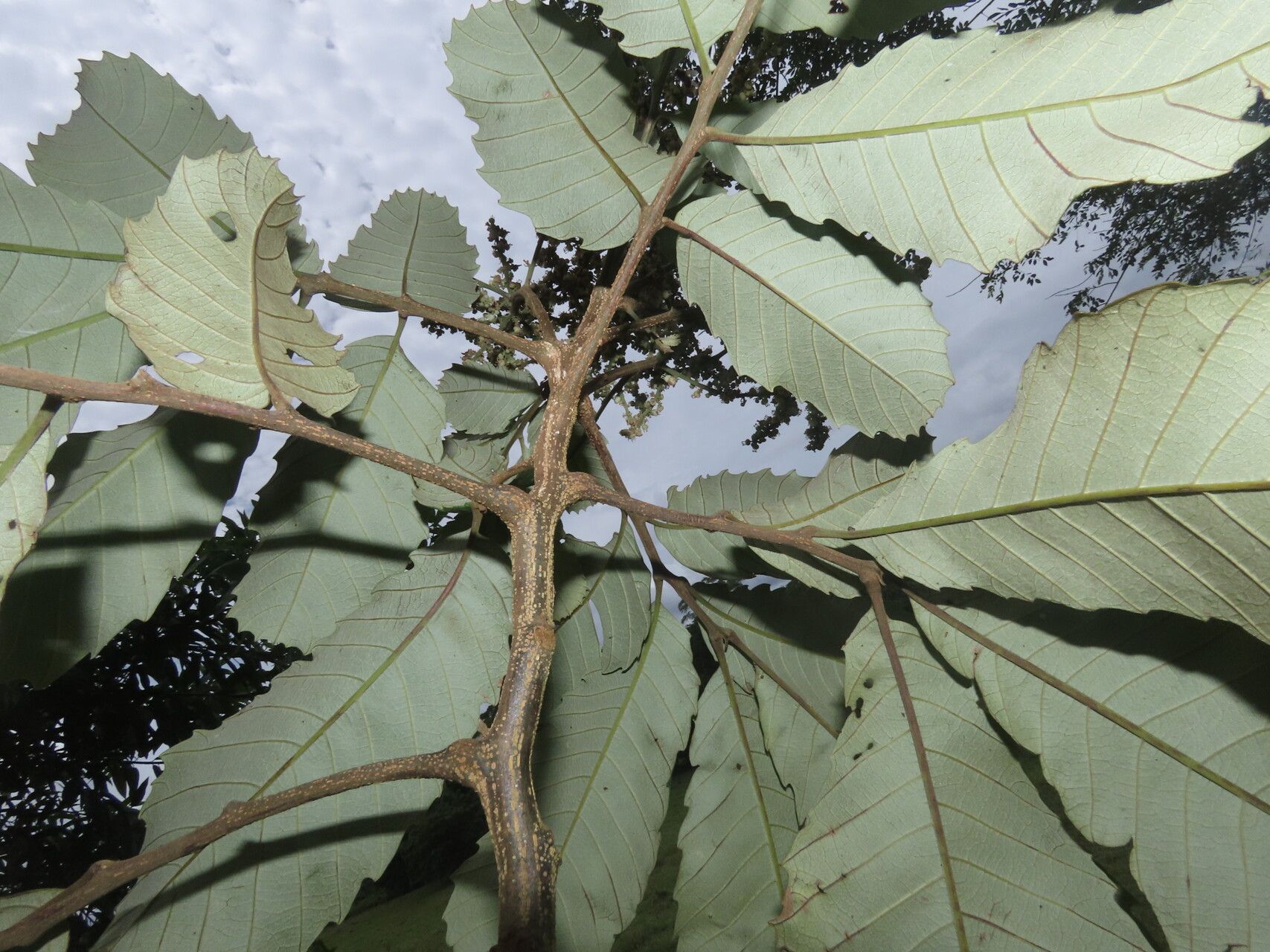
Unlocking the Secrets of Cupania Cinerea Propagation: A Guide for Green Thumbs
Cupania cinerea, also known as the “Florida hopbush” or “Caribbean carbwood,” is a stunning evergreen tree native to the Caribbean and parts of Central and South America. Reaching heights of up to 60 feet with attractive, glossy leaves and interesting fruit capsules, it’s a beautiful addition to any subtropical or tropical garden.
While not widely available in nurseries, propagating your own Cupania cinerea is a rewarding project for dedicated plant enthusiasts. There are two primary methods:
1. Seed Propagation: A Journey of Patience and Rewards
- Seed Collection: Harvest ripe capsules from a healthy Cupania cinerea tree. Look for capsules that have turned brown and are starting to split open. Extract the seeds and remove any remaining fleshy parts.
- Seed Preparation: Cupania cinerea seeds benefit from scarification to improve germination. This involves gently scratching or nicking the seed coat to allow water penetration. You can use a nail file, sandpaper, or even a sharp knife for this.
- Sowing: Choose a well-draining seed starting mix and sow the scarified seeds at a depth of about half an inch. Keep the soil consistently moist but not waterlogged.
- Germination: Be patient, as Cupania cinerea seeds can take 4-8 weeks or even longer to germinate. Providing bottom heat with a seedling mat can speed up the process.
- Transplanting: Once the seedlings have developed a few true leaves, you can carefully transplant them to individual pots. Use a well-draining potting mix and continue to water diligently.
2. Semi-Hardwood Cuttings: A Faster Route to Success
- Timing is Key: Take cuttings during the period of active growth, ideally in late spring or early summer.
- Selecting the Cuttings: Choose healthy, semi-hardwood stems that are about 4-6 inches long. Cut just below a leaf node with a sharp, sterilized blade.
- Preparing the Cuttings: Remove the leaves from the lower two-thirds of the cutting. To further encourage rooting, you can dip the cut end in rooting hormone powder, although it’s not strictly necessary.
- Planting the Cuttings: Plant the cuttings in a moist, well-draining rooting medium like peat moss, perlite, or a combination thereof.
- Creating a Humid Environment: Cover the pot with a clear plastic bag or use a humidity dome to maintain high humidity around the cuttings.
- Rooting Time: Be patient; it can take several weeks for the cuttings to develop roots. Check for resistance when gently tugging on the cutting – if you feel any, it means roots are forming!
- Transplanting: Once rooted, you can transplant the cuttings into individual pots with well-draining potting mix.
Caring for your Cupania Cinerea:
Cupania cinerea thrives in well-drained soil and prefers full sun to partial shade. Water regularly, especially during dry periods, but avoid overwatering, which can lead to root rot. Fertilize a couple of times during the growing season with a balanced, slow-release fertilizer.
Final Thoughts:
Propagating Cupania cinerea requires patience and care but is ultimately a rewarding endeavor for plant enthusiasts. Whether you choose to grow from seed or try your hand at rooting cuttings, the satisfaction of nurturing this magnificent tree from its early stages is a truly gratifying experience.