
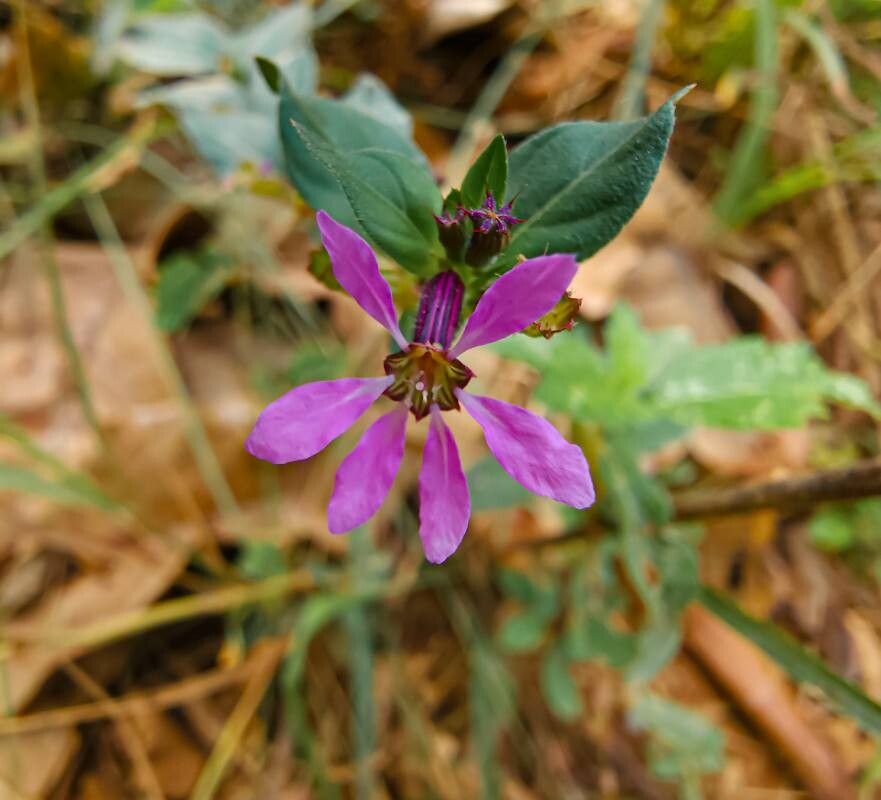
Propagating Cuphea strigulosa: A Gardener’s Guide to the False Heather
Cuphea strigulosa, commonly known as False Heather, is a captivating flowering plant prized for its prolific, vibrant blooms and its low-maintenance nature. Its petite, tubular flowers, often in shades of purple, pink, or red, attract pollinators and add a touch of elegance to gardens and containers alike. This makes it a popular choice among gardeners, but its propagation can present unique challenges. The following guide explores various methods, weighing their effectiveness and offering practical advice.
Seed Germination:
Currently, there are no known reliable methods for seed germination propagation of Cuphea strigulosa. While the plant does produce seeds, their germination rate is notoriously low, and successful germination under typical home or even greenhouse conditions has not been consistently documented. Further research into specific seed treatments or environmental conditions might be needed to unlock the potential of this propagation method.
Cuttings:
Cuttings represent a more reliable method for propagating Cuphea strigulosa.
- Challenges: While relatively straightforward, success hinges on proper technique and providing optimal conditions for rooting. The cuttings are susceptible to fungal diseases if not kept in a sterile and well-ventilated environment.
- Practical Tips: Take semi-hardwood cuttings (4-6 inches long) in late spring or early summer. Remove lower leaves to prevent rotting. Dip the cut ends in rooting hormone to stimulate root development. Plant cuttings in a well-draining rooting medium (e.g., a mix of perlite and vermiculite) and maintain high humidity (using a humidity dome or plastic bag). Keep the medium consistently moist but not soggy. A bottom-heat propagator can significantly increase success rates.
- Rewards: Cuttings offer a high success rate compared to seed germination, allowing for relatively quick propagation of large numbers of genetically identical plants. This is advantageous for preserving desirable traits.
Division:
Division is a viable propagation method, particularly for established plants.
- Challenges: This method is only practical for mature plants with well-developed root systems. Incorrect division can damage the plant, leading to reduced vigor or even death.
- Practical Tips: The best time for division is in spring or early autumn. Carefully dig up the plant, gently separating the root ball into smaller sections, ensuring each division has healthy roots and stems. Replant the divisions immediately, ensuring they are well-watered and protected from direct sunlight until established.
- Rewards: Division is a relatively quick and effortless method for increasing the number of plants, especially useful for larger garden specimens.
Tissue Culture:
Tissue culture offers the potential for large-scale, highly controlled propagation of Cuphea strigulosa.
- Challenges: This method requires specialized equipment, a sterile environment, and expertise in plant tissue culture techniques. It’s expensive and time-consuming and requires specialized knowledge.
- Practical Tips: Sterile techniques are paramount to avoid contamination. Explant selection (the piece of plant tissue used for propagation) is critical. The use of plant growth regulators is necessary to induce shoot and root development.
- Rewards: Tissue culture guarantees clonal propagation, delivering large numbers of genetically identical plants free from diseases.
Conclusion:
Propagating Cuphea strigulosa presents various challenges depending on the chosen method. While seed germination appears unpromising currently, cuttings and division offer more reliable approaches for the home gardener. Tissue culture holds the potential for large-scale propagation but requires specialized knowledge and resources. The unique satisfaction of nurturing a cutting into a vibrant flowering plant, overcoming the challenges involved, is a reward in itself. The perseverance required underscores the beauty and resilience of this charming species, making the cultivation and propagation experience truly enriching for the dedicated gardener. For beginners, starting with cuttings is the recommended method. Remember patience and consistent care are key to success in propagating this beautiful False Heather.