
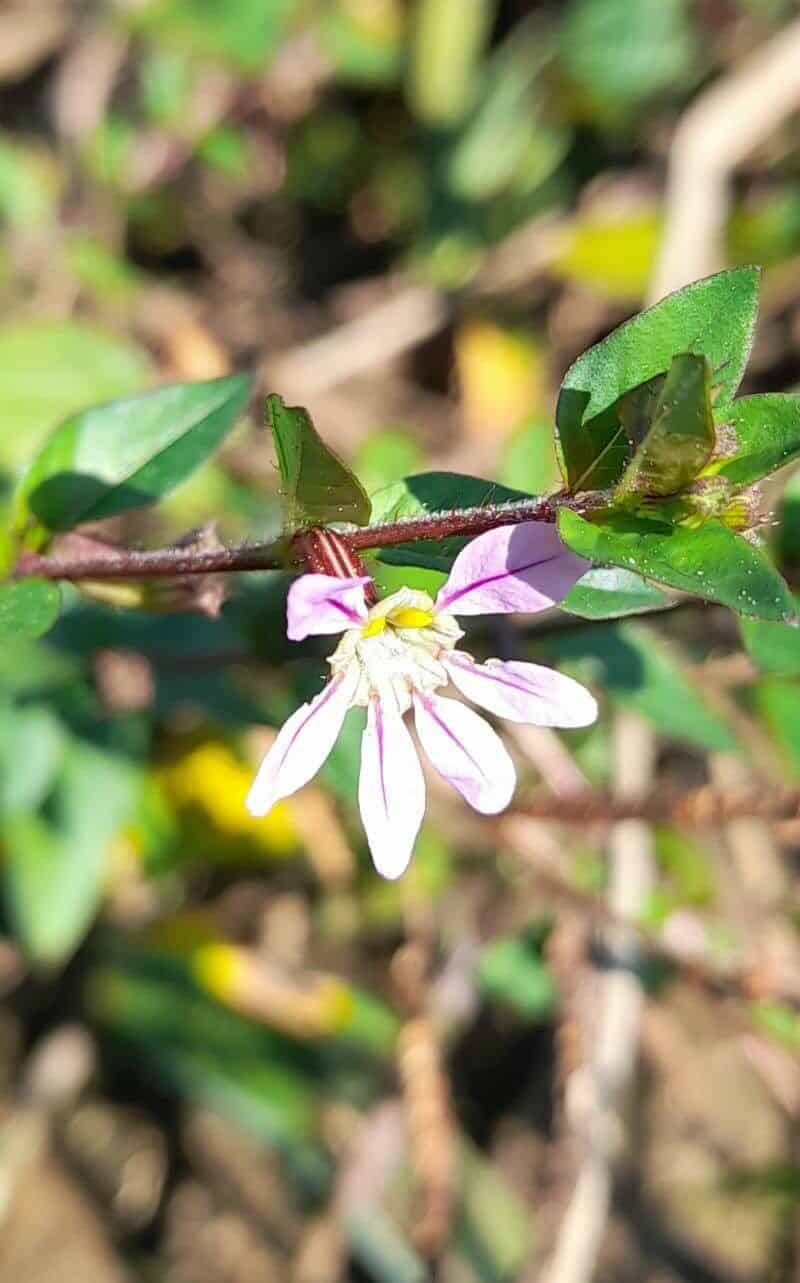
Unleash the Bat Flower Power: Propagating Your Very Own Cuphea Tuberosa
Looking to add a touch of whimsical beauty to your garden? Look no further than the Cuphea tuberosa, fondly nicknamed the "bat flower." With its unique, bat-faced blooms and vibrant colors, this plant is sure to turn heads and invite pollinators to your garden party. But did you know that sharing the joy of the bat flower is easier than you think? Let’s explore the simple yet rewarding world of Cuphea tuberosa propagation!
Two Paths to Bat Flower Bliss:
The beauty of propagating Cuphea tuberosa lies in its flexibility. You can choose your own adventure with two reliable methods:
1. Seed Starting: A Journey From Tiny Specks to Blooming Wonders
- Timing is Everything: Begin your seed starting adventure indoors about 6-8 weeks before the last expected frost in your area.
- Sowing the Seeds of Success: Use a well-draining seed starting mix and lightly press the tiny seeds onto the surface, barely covering them.
- Warmth and Light for Happy Sprouts: Provide a warm environment (around 70-75°F) and keep the soil consistently moist. A sunny windowsill or grow lights will offer the perfect amount of light to encourage germination.
- Transplanting Time: Once your seedlings develop a few sets of true leaves and the danger of frost has passed, harden them off gradually by introducing them to outdoor conditions for increasingly longer periods. Finally, transplant them into your garden or larger pots!
2. Cuttings: Cloning Your Way to More Bat Flowers!
- The Right Cut: In late spring or early summer, select healthy, non-flowering stems from your Cuphea tuberosa. Use clean, sharp shears to make a cut just below a leaf node.
- Prepping for Root Development: Remove the lower leaves from the cutting, leaving a couple at the top. This focuses the plant’s energy on root production.
- Rooting Hormone: Giving Your Cuttings a Boost (Optional): Dipping the cut end in rooting hormone can encourage faster and stronger root development, although it’s not strictly necessary.
- Creating the Perfect Environment: Plant your cuttings in a well-draining potting mix and keep them consistently moist. A warm, humid environment is ideal. Consider covering the pot with a plastic bag to create a mini greenhouse effect.
- Transplanting Success: Once your cuttings show signs of new growth, usually within a few weeks, you’ll know they’ve successfully rooted. Gradually harden them off before transplanting them to their final location.
Caring for Your New Bat Flower Progeny:
No matter your chosen propagation method, providing the right care will ensure your new Cuphea tuberosa thrive:
- Sun Worshippers: Plant your bat flowers in a location that receives at least 6 hours of sunlight per day.
- Well-Drained Soil is Key: Ensure good drainage to prevent root rot.
- Watering Wisely: Water deeply but allow the soil to dry slightly between waterings.
- Deadheading for Continuous Blooms: Remove spent flowers to encourage more buds to form and extend the blooming season.
With a little patience and TLC, you’ll be rewarded with a bountiful display of these captivating bat flowers, adding a touch of magic and intrigue to your garden for years to come. And the best part? You’ll have the satisfaction of knowing you propagated them yourself!