
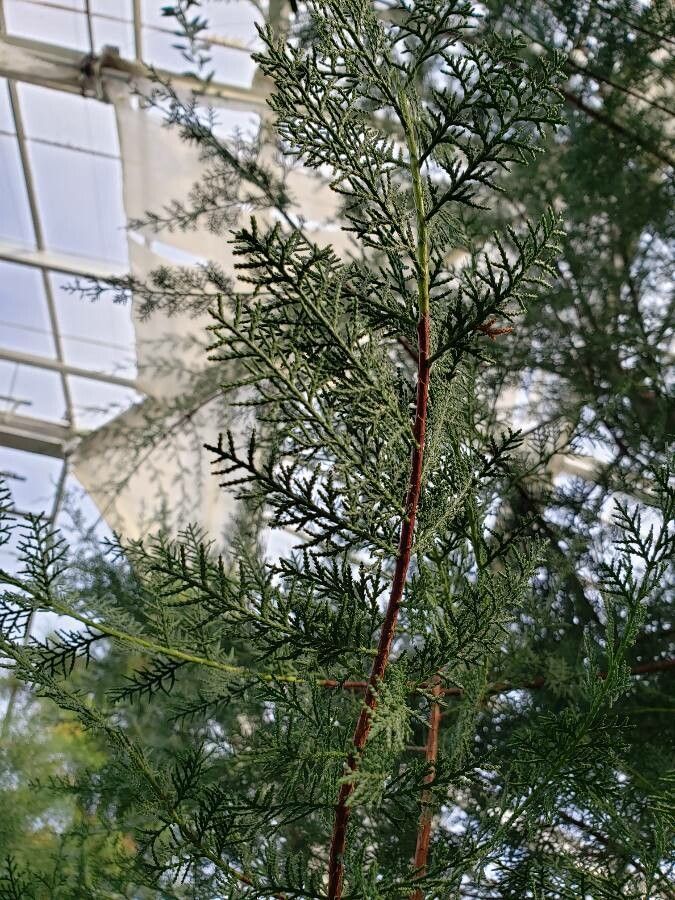
From Sahara Sands to Your Garden: Propagating the Majestic Saharan Cypress
The Saharan Cypress (Cupressus dupreziana) is a true survivor, a living testament to resilience in the harshest of environments. These iconic trees, found only in a small region of the Sahara Desert, are a symbol of hope and beauty against the odds. But can this desert dweller thrive in your garden? The answer lies in understanding its unique needs and mastering the art of propagation.
While the Saharan Cypress is a remarkable species, it’s crucial to remember that they are critically endangered. A strict ban exists on harvesting them from their natural habitat. In most situations, propagation is the only ethical and sustainable way to enjoy these majestic trees.
The Key to Success: Seeds vs. Cuttings
Propagating Saharan Cypress can be accomplished through both seed and cutting methods. However, each method offers its own set of challenges and nuances.
- Advantages: Seeds are readily available and relatively inexpensive.
- Challenges: Seeds are notoriously slow to germinate, requiring a cold stratification period (mimicking winter conditions) prior to sowing. This can take several months. Once germinated, the seedlings need meticulous care to establish themselves.
Cutting Propagation:
- Advantages: This method offers the fastest route to a new tree, with cuttings typically rooting within a few months. It also ensures the genetic identity of the parent plant.
- Challenges: Finding healthy, mature cuttings from a reliable source is crucial. The process requires meticulous care and specific conditions to ensure successful root development.
The Art of Cutting Propagation
If you choose to go the cutting route, here’s a step-by-step guide:
- Choosing the Right Cuttings: Select healthy, mature branches from a healthy parent tree. Look for a section that is 6-8 inches long, with the lower 2-3 inches free of foliage.
- Prepare the Cuttings: Use a sharp, clean knife or pruning shears to make a clean, angled cut just below a node (the point where a leaf or branch emerges). Remove any foliage from the lower section that will be submerged in the rooting medium.
- Hormone Treatment: Dip the cut end of the cutting into a rooting hormone powder or solution. This encourages root development.
- The Rooting Medium: Use a sterile, well-draining potting mix. Fill a pot or tray with the mix to a depth of about 3-4 inches.
- Planting the Cuttings: Make a small hole in the rooting medium for each cutting and gently insert it, ensuring the cut end is fully submerged. Firmly pack the soil around the base.
- Create the Right Environment: Cover the pot or tray with a clear plastic dome or wrap to create a humid environment. Place it in a bright, warm location, out of direct sunlight.
- Patience and Care: Root development can take several months. It’s crucial to maintain a humid environment and monitor the cuttings for signs of rot or disease.
A Note About Climate and Care:
Remember that Saharan Cypress is a desert species. They prefer well-draining soil, full sun, and low humidity. While they can tolerate a certain degree of frost, they are not recommended for areas with harsh winters.
Bringing a Saharan Cypress to life through propagation is a rewarding challenge. It’s a way to contribute to the conservation of this iconic species while enriching your garden with a unique and beautiful tree. With careful planning, meticulous care, and a healthy dose of patience, you can witness the resilience of the Saharan Cypress firsthand, right in your own backyard.