
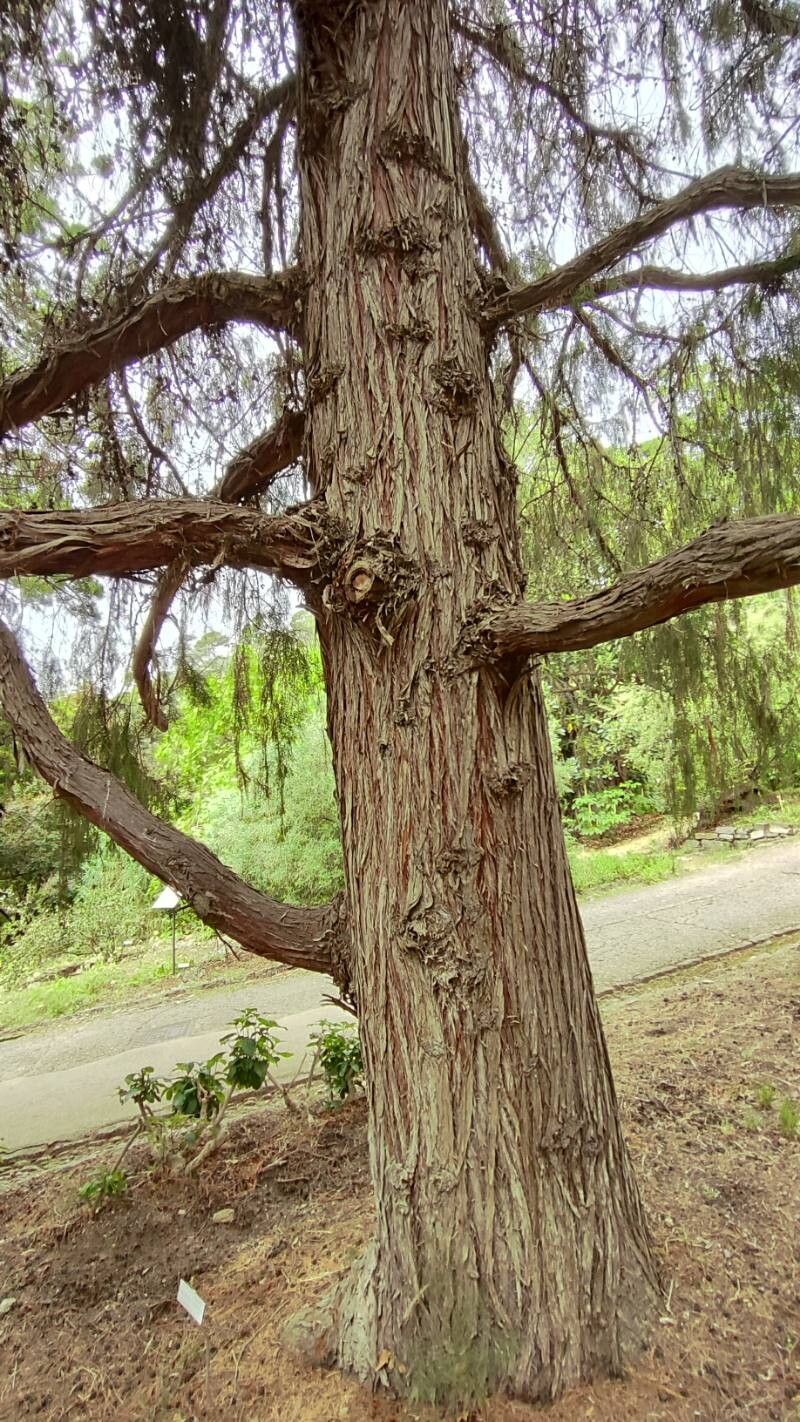
Taming the Himalayan Cypress: A Guide to Propagating Cupressus torulosa
The Himalayan Cypress, known formally as Cupressus torulosa, is a majestic evergreen conifer celebrated for its graceful, drooping foliage and towering presence. Native to the Himalayan foothills, this fragrant tree can reach impressive heights, making it a striking addition to large gardens and parks. While acquiring a mature specimen can be costly, propagating your own Himalayan Cypress is a rewarding endeavor for dedicated gardeners.
This comprehensive guide will demystify the propagation process, equipping you with the knowledge to cultivate this stunning tree from scratch:
Two Paths to Propagation:
Seeds: Propagating from seed is the most common method for Cupressus torulosa, offering a greater sense of accomplishment as you nurture a tree from its earliest stages.
- Seed Collection: Gather mature cones from a healthy Himalayan Cypress during autumn. Allow the cones to dry in a warm, airy location until the scales open, revealing the seeds.
- Stratification (Cold Treatment): To mimic natural winter conditions and encourage germination, place the seeds in a moist mix of sand and peat moss. Refrigerate this mixture for 6-8 weeks.
- Sowing: In early spring, sow the stratified seeds in seed trays filled with well-draining potting mix, covering them lightly with soil.
- Care: Maintain consistent moisture and provide bright, indirect light. Germination can be slow, so patience is key. Once seedlings emerge, gradually acclimate them to outdoor conditions before transplanting.
Semi-Hardwood Cuttings: While slightly less common, propagating from semi-hardwood cuttings offers faster results, producing a clone of the parent plant.
- Timing: Take cuttings in late summer or early fall when the new growth has begun to harden.
- Cutting Selection: Choose healthy, non-flowering shoots from the current year’s growth. Each cutting should be 4-6 inches long and taken with a sharp, sterilized knife or pruning shears.
- Preparation: Remove the lower leaves from each cutting, leaving a few at the top. Wound the base of the cutting slightly to expose the cambium layer (the green layer beneath the bark).
- Hormone Treatment (Optional): Dip the wounded end in rooting hormone to encourage root development.
- Planting: Insert the cuttings into a well-draining rooting medium, ensuring at least two nodes are buried.
- Care: Keep the cuttings consistently moist and provide a humid environment by covering the pot with a plastic bag or using a propagation dome. Place in a well-lit area, avoiding direct sunlight. Roots should develop within 6-8 weeks. Once rooted, gradually acclimate them to outdoor conditions before transplanting.
Transplanting and Ongoing Care:
Regardless of your chosen propagation method, once your Himalayan Cypress saplings are robust and the threat of frost has passed, transplant them into larger pots or a permanent location in your garden. Remember:
- Sunlight: This sun-loving tree thrives in full sun to partial shade.
- Soil: Well-draining soil is crucial to prevent root rot. Amend heavy clay soils with organic matter.
- Watering: Water deeply and regularly during the first year after transplanting, gradually reducing frequency as the tree matures.
- Fertilizing: Fertilize in early spring with a balanced fertilizer formulated for conifers.
Propagating your own Cupressus torulosa is a rewarding endeavor that requires patience and dedication. However, the sight of your very own Himalayan Cypress gracing your landscape for years to come makes the effort entirely worthwhile. By following these steps, even novice gardeners can enjoy the satisfaction of cultivating this magnificent tree from its earliest beginnings.