
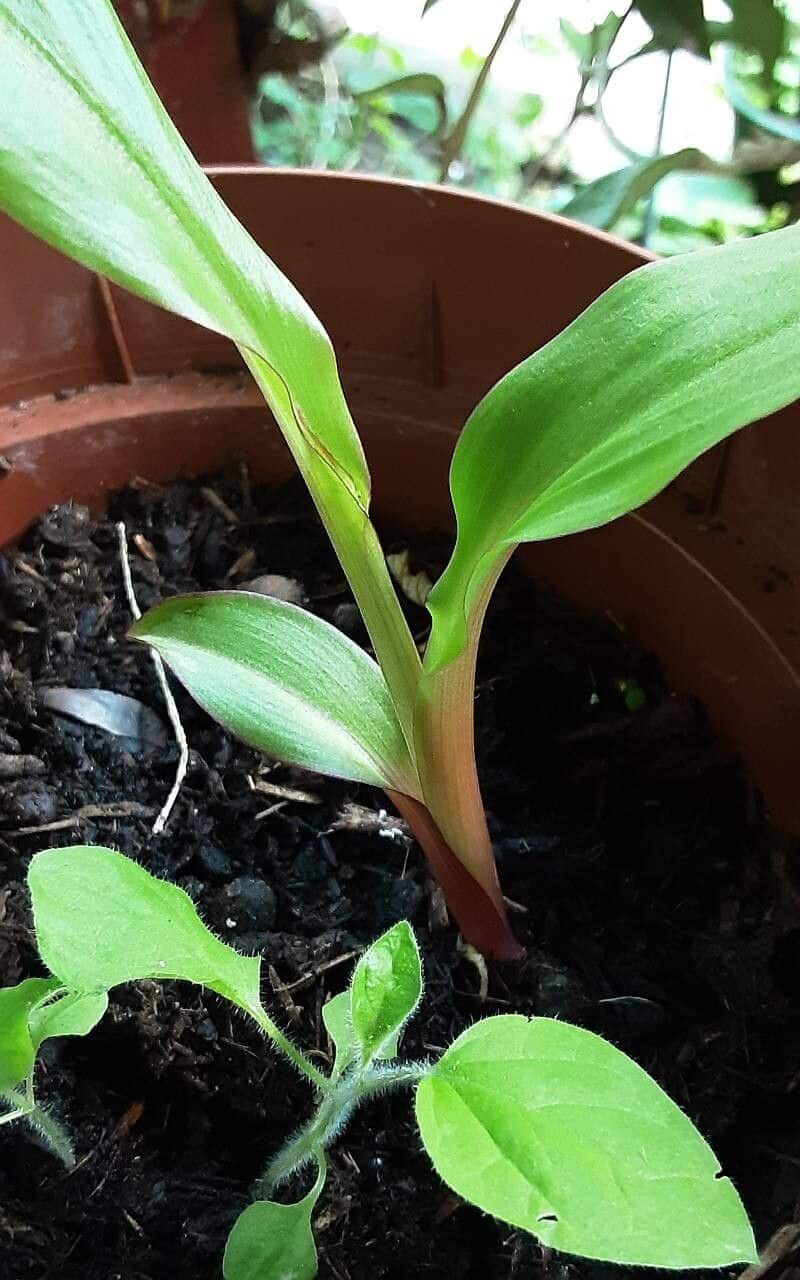


Unlocking the Beauty of Black Turmeric: A Guide to Propagating Curcuma aeruginosa
Curcuma aeruginosa, more commonly known as Black Turmeric or Krachai Dum, is no ordinary plant. While not as well-known as its golden cousin, turmeric, this Southeast Asian native boasts striking foliage with dark maroon undersides and intriguing, cone-shaped inflorescences. Beyond its ornamental appeal, Black Turmeric also holds a place in traditional medicine. But how do you go about inviting this unique beauty into your own home? Let’s explore the fascinating world of propagating Curcuma aeruginosa.
Understanding the Rhizome:
The key to propagating Black Turmeric lies in understanding its growth habit. Unlike some plants that grow from seeds or cuttings, Curcuma aeruginosa spreads via rhizomes. These underground stems act as the plant’s energy storehouse and produce shoots that develop into new plants.
Two Routes to Propagation:
Division: The most common and reliable method for propagating Black Turmeric is through rhizome division. Here’s how:
- Timing is Key: Spring, just before new growth emerges, is the ideal time to divide.
- Unearth the Treasure: Carefully dig up an established clump, being mindful of the brittle rhizomes.
- Divide and Conquer: Using a sharp, sterilized knife or pruning shears, cut the rhizome into sections. Ensure each section has at least one growth point (“eye” or bud) and some healthy roots attached.
- Potting Up: Choose well-draining potting mix and pots with drainage holes. Plant the rhizome sections shallowly, about an inch below the soil surface, with the growth points facing upwards.
- Nurture and Grow: Water well after planting and place the pots in a warm, bright location (avoid direct sunlight). Maintain consistent moisture and be patient, as it may take several weeks for new growth to appear.
Seed Propagation: While less common, Black Turmeric can be propagated by seed. However, finding viable seeds can be challenging, and this method demands more patience and care.
- Seed Sourcing: Look for reputable online sellers or specialized nurseries offering Curcuma aeruginosa seeds.
- Sowing the Seeds: Start seeds indoors several weeks before the last frost. Sow them in a well-draining seed-starting mix, lightly covering them with soil.
- Warmth and Humidity: Provide bottom heat using a seedling mat and create a humid environment by covering the tray with a plastic dome or using a humidity chamber.
- Transplantation: Once the seedlings are a few inches tall and all danger of frost has passed, transplant them to larger pots or outdoors in a partially shaded area.
Tips for Success:
- Well-draining soil: Black Turmeric thrives in loose, airy soil that doesn’t retain excess moisture.
- Indirect Sunlight: While this plant enjoys bright locations, it prefers dappled sunlight or shade during the hottest part of the day.
- Warm Temperatures: Hailing from tropical regions, Curcuma aeruginosa prefers temperatures above 65°F (18°C) for optimal growth.
- Consistent Moisture: Maintain evenly moist soil, but avoid overwatering, which can lead to rhizome rot.
Propagating Curcuma aeruginosa might seem daunting at first, but it’s a rewarding endeavor. With a bit of patience and care, you can grow beautiful, healthy plants that will add a touch of the exotic to your home and garden for years to come.