
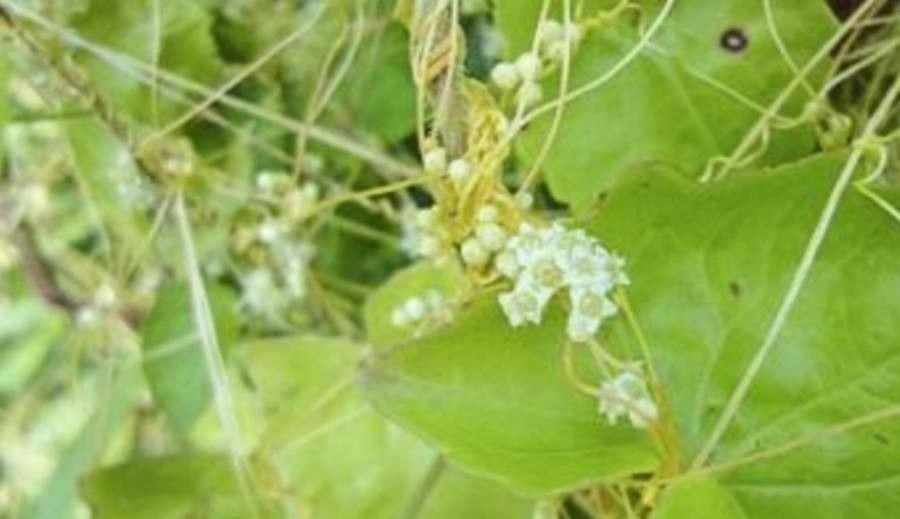
The Parasitic Plant with a Surprisingly Simple Secret: Propagating Dodder (Cuscuta australis)
The plant world is full of surprises, and few are as intriguing as the dodder (Cuscuta australis). This curious plant, with its delicate, thread-like stems and lack of leaves, is often mistaken for a strange vine. However, the dodder harbors a secret: it’s a parasitic plant, drawing its sustenance from the lifeblood of its host. This unusual lifestyle naturally leads to questions about its propagation. Do you need a host plant to grow dodder? How does this peculiar plant reproduce?
Surprisingly, despite its parasitic nature, propagating Cuscuta australis is relatively straightforward, even for beginner gardeners or curious nature enthusiasts.
Understanding the Dodder’s Lifecycle
Before diving into propagation, it’s crucial to understand the dodder’s lifecycle. Dodder seeds germinate in the soil like any other plant. However, they lack chlorophyll and cannot produce their own food. Instead, they rely on a sense of smell. Yes, you read that right! Dodder seedlings can detect volatile organic compounds released by potential hosts. Once they find a suitable host plant, they attach themselves using specialized structures called haustoria. These haustoria penetrate the host’s stem, acting as siphons for water and nutrients.
Propagation Methods for Cuscuta australis:
- Seeds: The most common method of propagating dodder is by seed.
- Collection: Dodder seeds are tiny and found within small capsules. Collect these capsules after flowering and allow them to dry thoroughly.
- Sowing: Dodder seeds germinate best in warm temperatures (around 70-75°F). Sow them shallowly in a well-draining seed starting mix.
- Host Introduction: Once seedlings emerge, you’ll need to introduce a compatible host plant. Place the host plant close to the dodder seedlings, allowing them to attach.
- Stem Cuttings: Another effective method is through stem cuttings.
- Taking Cuttings: Carefully cut a section of dodder stem that is already attached to a host plant.
- Attaching to a New Host: Gently press the cut end of the dodder stem onto a new, healthy host plant. Secure it lightly with a piece of string or tape until the haustoria develop and attach. This method offers a quicker establishment on the host plant.
Essential Considerations for Dodder Cultivation:
- Host Plant Selection: Dodder is not picky and can parasitize a wide range of plants. However, it thrives on certain species like alfalfa, clover, and tomatoes.
- Ethical Considerations: Be mindful that dodder is considered a parasitic weed in many agricultural settings. It can significantly impact the health and yield of crops. Therefore, it’s crucial to cultivate it responsibly, preferably in a controlled environment, to prevent unintended spread.
The Fascination of the Dodder:
Though it might be perceived negatively due to its parasitic nature, Cuscuta australis offers a fascinating glimpse into the diverse strategies plants employ for survival. Its unique propagation methods and ability to thrive without photosynthesis make it a captivating subject for anyone interested in the wonders of the botanical world.
Remember, always research and understand the potential impact of any plant before cultivating it, especially those with parasitic tendencies.