
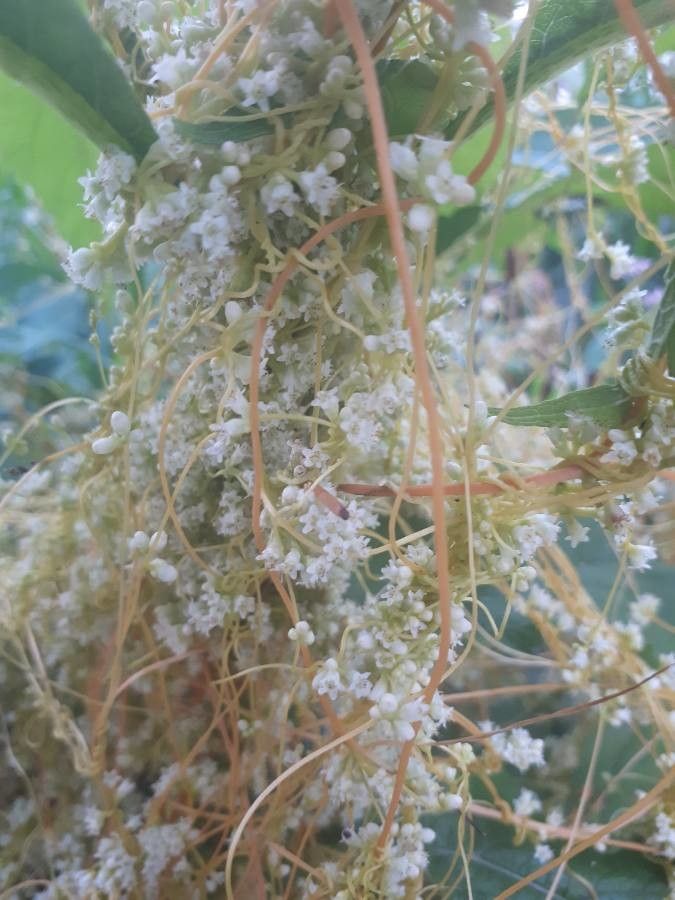
The Dodder’s Dilemma: Can You Propagate Cuscuta indecora?
Cuscuta indecora, a plant better known as dodder, is a curious case. This parasitic vine, often called “devil’s hair” or “witch’s hair,” is famous for its unique way of life: it lacks chlorophyll and steals nutrients from its host plants. But can you actually propagate this fascinating yet destructive plant?
The short answer is: it’s tricky, and you probably shouldn’t.
Dodder’s Life Cycle: A Parasitic Puzzle
Dodder seeds, often spread by wind or animals, germinate in the soil. The young seedling needs to find a suitable host plant within a short time. If it doesn’t connect to a host within a week, it dies. Once it makes contact, the vine wraps around the host, developing specialized structures called haustoria that penetrate the host’s vascular system. These haustoria steal water, nutrients and sugars from the host, allowing the dodder to thrive, sometimes completely engulfing its victim.
Propagating Dodder: A Risky Business
Dodder propagation is possible but mostly occurs unintentionally. Seed dispersal is the most common way it spreads. Contaminated soil or seeds can easily bring dodder into new gardens.
While it’s possible to grow dodder from seed in a controlled environment, it’s not recommended due to its potential for harm. If you’re planning to experiment with dodder propagation, be extremely careful and make sure to isolate it completely.
Here’s how the process might look:
- Obtain seeds: Dodder seeds can be purchased from specialized plant suppliers, but be aware of the potential risks involved.
- Sterile environment: Create a sterile environment, perhaps a sterile container or a section in a greenhouse, to prevent accidental spread.
- Sowing: Sow the seeds in a seed tray or pot with a suitable substrate.
- Host plant: Introduce a host plant, ensuring it’s healthy and not already infected.
- Monitor and remove: Carefully monitor the dodder’s growth and ensure it stays contained within the environment. Be prepared to remove any unwanted dodder growth from the host plant.
Why is propagating dodder not recommended?
- Invasiveness: Dodder is an invasive species in many areas, causing significant damage to agricultural crops and native plant ecosystems. Propagating it could lead to its spread and further ecological harm.
- Difficulty in control: Once established, dodder is incredibly difficult to remove. It can spread rapidly, smothering and killing its host plants.
- Ethical concerns: Parasitic plants like dodder rely entirely on other organisms for survival. Their propagation can be seen as unethical, as it exploits and potentially harms other plants.
Instead of propagating dodder, focus on preventing its spread. If you spot dodder in your garden, immediately remove it, including the roots and any affected host plants. Regularly inspect your garden for signs of dodder and contact your local agricultural extension office for guidance on removal and control measures.
By understanding dodder’s nature and taking preventative action, we can minimize its harmful impacts on our ecosystems and ensure the health of our gardens.