
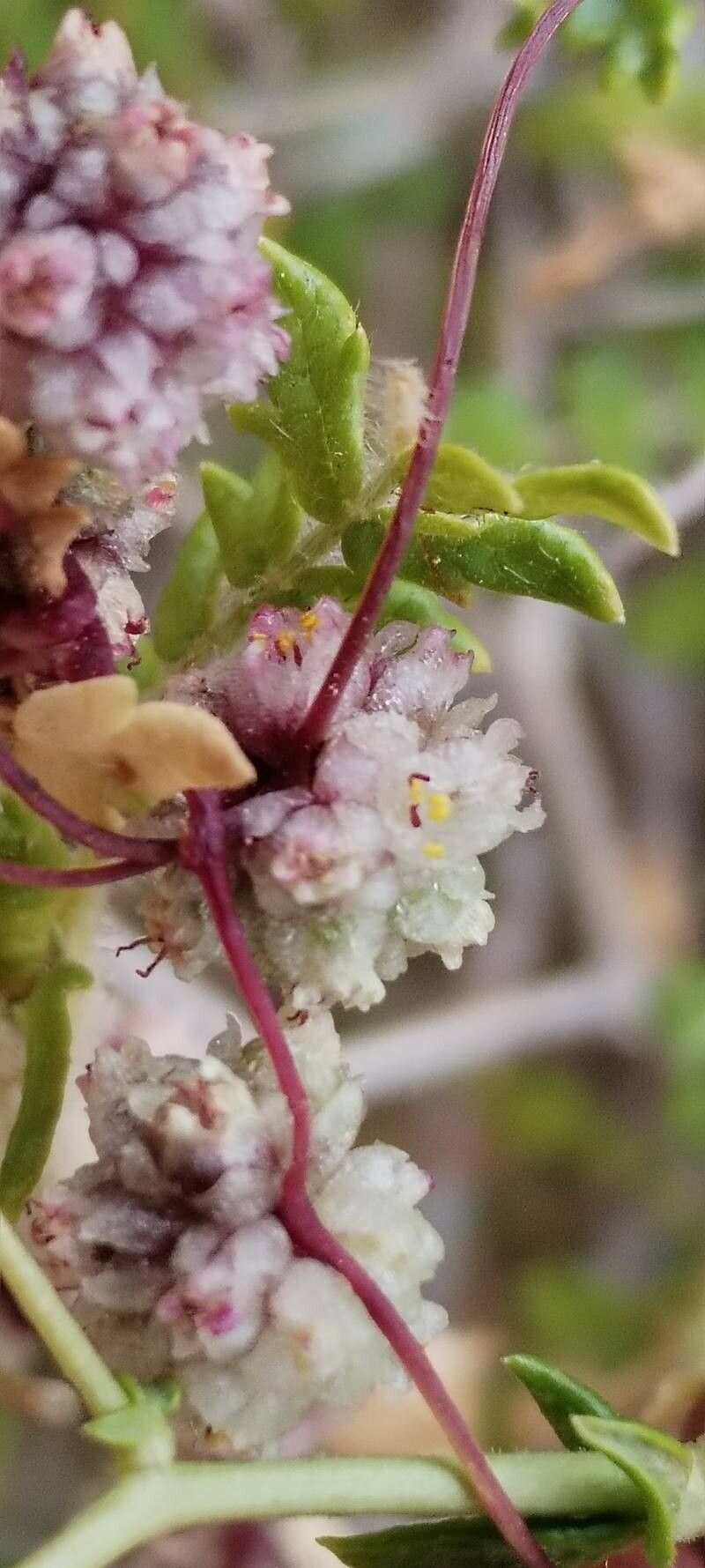
The Parasitic Prowess of Cuscuta palaestina: A Plant That Thrives on Others
The plant kingdom is full of wonders, from towering redwoods to delicate orchids. But tucked away in this diverse world are botanical marvels that challenge our very definition of “plant.” Enter Cuscuta palaestina, a parasitic plant with a fascinating – and slightly sinister – way of life. This blog post delves into the intriguing world of Cuscuta palaestina and its unique propagation strategies.
Forget traditional roots burrowing into the soil; Cuscuta palaestina, also known as dodder, has abandoned such conventional methods. Instead, it survives and thrives by directly tapping into the resources of other plants. But how does this botanical vampire find and exploit its victims?
The story begins with seed germination. Cuscuta palaestina seeds sprout in the soil like many others, but with one key difference – a limited supply of nutrients. This scarcity fuels a race against time, forcing the seedling to quickly find a suitable host. Using chemical cues released by neighboring plants, the dodder seedling detects potential victims and embarks on a targeted attack.
Imagine a plant equivalent of a heat-seeking missile – that’s essentially the Cuscuta palaestina seedling. It grows towards the unsuspecting host, its slender, leafless stem twisting and turning until it makes contact. Upon reaching its target, the dodder’s true parasitic nature takes hold.
Specialized structures called haustoria, which are essentially modified roots, emerge from the stem and penetrate the host plant’s vascular system. This vascular highway, responsible for transporting water and nutrients, becomes a free buffet for the parasitic dodder.
Now firmly attached and feeding, the Cuscuta palaestina abandons its connection to the soil entirely. Its own root system withers away as it becomes utterly dependent on its host for sustenance. The dodder then explodes in a tangle of yellow or orange stems, often smothering the host plant as it feasts on its hard-earned resources.
Reproduction for this parasitic plant is just as intriguing. Cuscuta palaestina produces small, white flowers that develop into capsules filled with seeds. These seeds readily disperse through wind and water, continuing the cycle of parasitism.
While the life cycle of Cuscuta palaestina may seem ruthless, it plays a fascinating ecological role. Researchers are studying its unique parasitic adaptations to develop potential herbicides and to understand plant signaling pathways better.
So, the next time you’re exploring the natural world, keep an eye out for the golden tendrils of Cuscuta palaestina. This seemingly fragile plant is a testament to the incredible diversity of life on Earth and a reminder that even in the plant kingdom, survival can take on unexpected and awe-inspiring forms.