
Taming the Wild Beauty: Propagating the Cabbage Tree (Cussonia bancoensis)
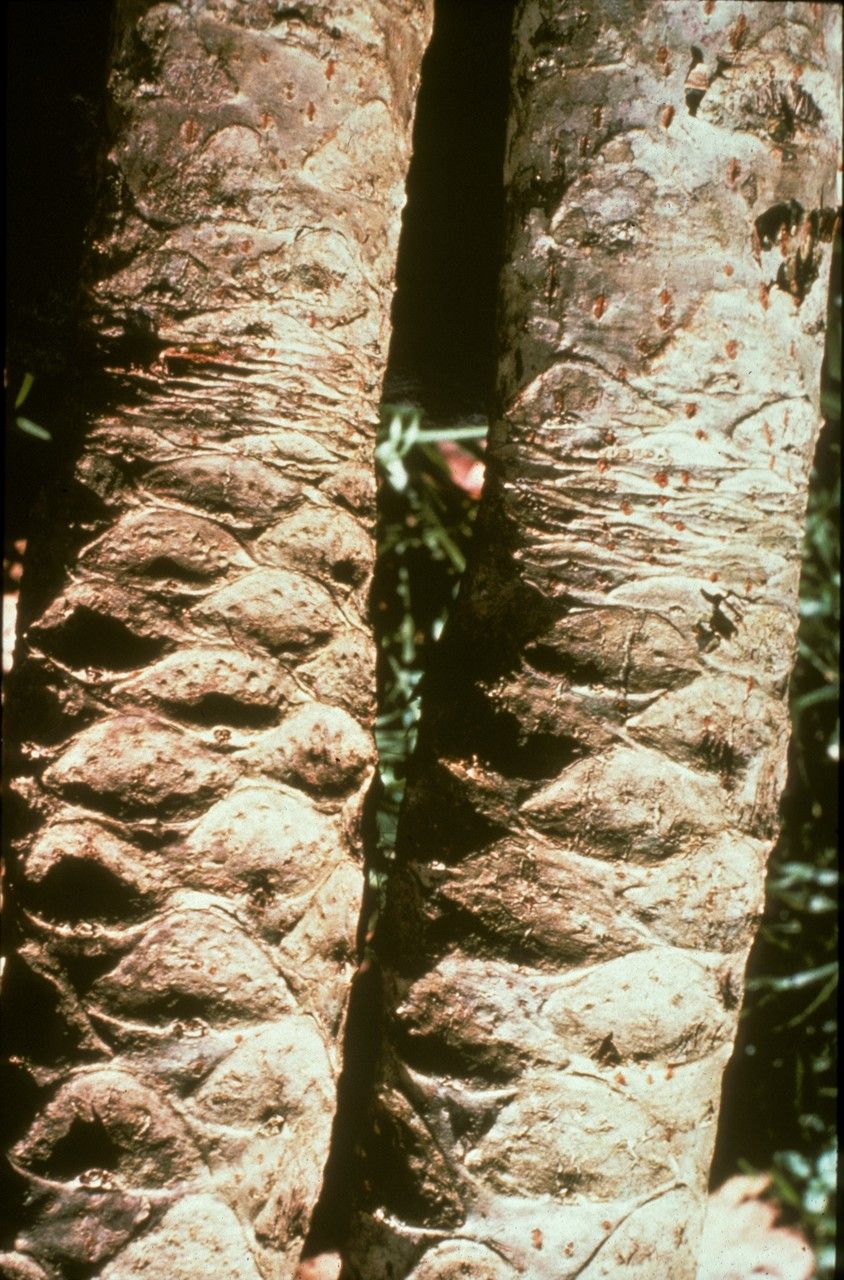
The Cussonia bancoensis, more affectionately known as the Cabbage Tree, is a unique and striking addition to any garden. Hailing from the tropical regions of Africa, this resilient plant boasts lush, vibrant foliage atop a sturdy, textured trunk, resembling a miniature palm tree. While its unique aesthetic makes it highly sought after, many shy away from bringing one home due to the perceived complexities of propagation. Fear not, fellow plant enthusiasts! This guide will demystify the process and empower you to cultivate your very own Cabbage Tree.
Seeds of Potential: The Journey From Seed to Sapling
Propagating Cussonia bancoensis from seed might seem like a daunting task, but with a little patience and the right approach, it can be a rewarding experience. Here’s a step-by-step guide:
Source Fresh Seeds: Begin by sourcing fresh, viable seeds from a reputable supplier. Fresh seeds are crucial for successful germination.
Mimic Nature’s Nursery: Prepare a seed tray or small pots with a well-draining seed starting mix. Sow the seeds at a depth of about half an inch and mist them generously.
Warmth and Humidity: Cussonia bancoensis seeds thrive in warm, humid environments. Ideal germination temperatures range between 70-75°F (21-24°C). Consider using a heat mat to maintain consistent warmth and cover the tray with a humidity dome or plastic wrap to lock in moisture.
Patience is Key: Germination can be a slow process, often taking anywhere from a few weeks to several months. During this period, ensure the soil remains consistently moist but not waterlogged.
- First Signs of Life: Once the seedlings emerge, remove the humidity dome and provide them with plenty of bright, indirect light. Gradually acclimatize them to outdoor conditions before transplanting them into larger pots or your garden.
Beyond the Seed: Exploring Other Propagation Methods
While seed propagation is the most common method for Cussonia bancoensis, it’s not the only way to expand your collection.
Cuttings: While slightly more challenging than seed propagation, it’s possible to propagate Cabbage Trees from cuttings. Select a healthy stem with at least two nodes and dip the cut end in rooting hormone before planting it in a well-draining medium. Maintain a warm, humid environment and wait for roots to develop.
- Air Layering: Air layering involves encouraging root growth on a stem while it’s still attached to the parent plant. This method requires some experience but can be incredibly effective for larger, more established plants.
Nurturing Your Cabbage Tree: A Few Tips for Success
No matter your chosen propagation method, keep the following tips in mind to ensure your Cabbage Tree thrives:
Well-Draining Soil: Choose a well-draining soil mix to prevent root rot.
Bright, Indirect Light: While Cabbage Trees enjoy some sun, prolonged exposure to harsh sunlight can scorch their leaves. Aim for bright, indirect light or provide some shade during the hottest hours of the day.
Moderate Watering: Allow the soil to dry slightly between waterings, as overwatering can be detrimental.
- Fertilize Regularly: During the growing season (spring and summer), fertilize your Cabbage Tree every 4-6 weeks with a balanced fertilizer to support healthy growth.
Propagating your own Cussonia bancoensis is a fulfilling journey that allows you to witness the plant’s life cycle firsthand. By following these tips and arming yourself with a little patience, you too can cultivate these stunning trees and add a touch of exotic charm to your indoor or outdoor space.