
Propagating the Himalayan Cycas: A Guide to Cultivating Cycas pectinata
Introduction
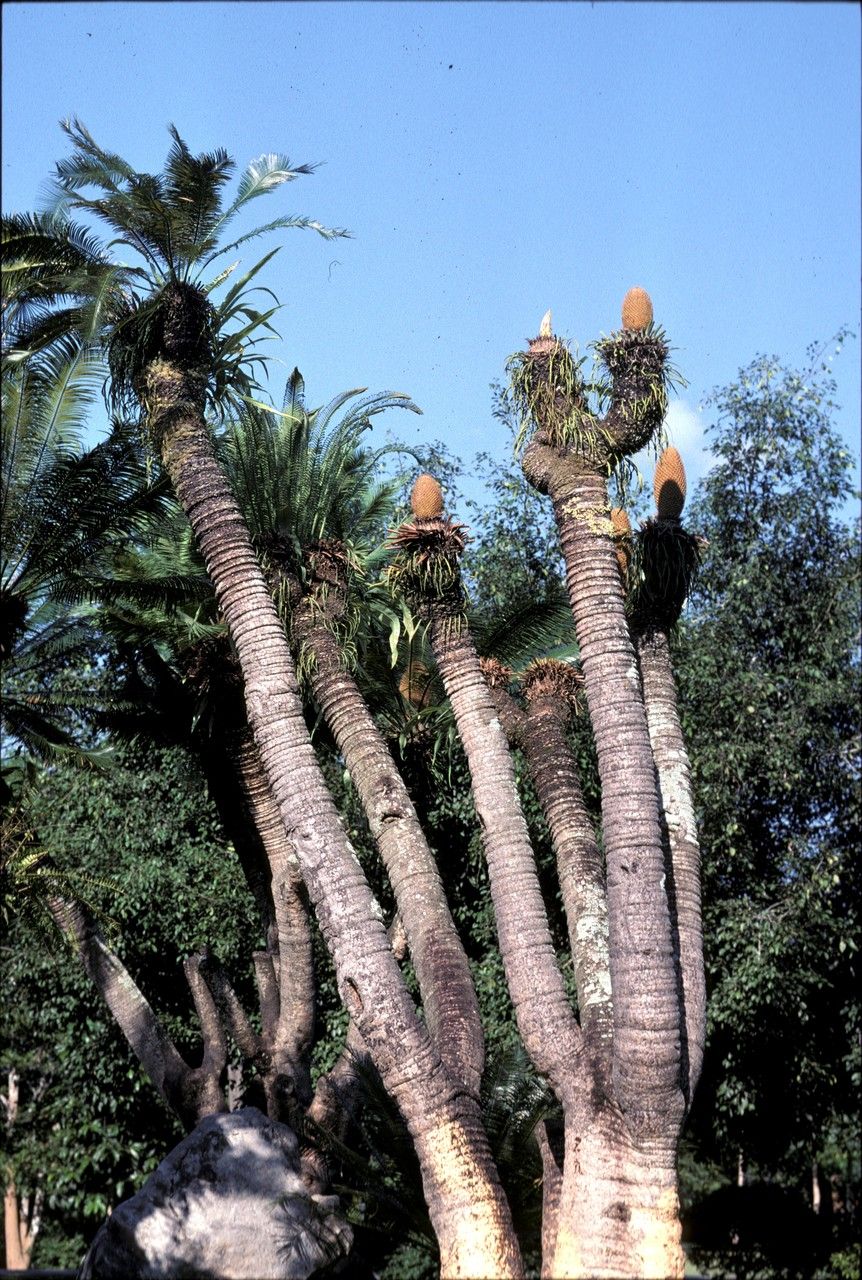
Cycas pectinata, commonly known as the Himalayan Cycas, is a striking cycad species native to the Himalayas, characterized by its robust, feather-like fronds and distinctive, cone-like reproductive structures. Its architectural beauty and relative hardiness make it a popular choice among gardeners seeking a unique and long-lived addition to their landscapes. However, propagating Cycas pectinata presents several challenges, making successful cultivation a rewarding achievement. This article explores various propagation methods, outlining their viability, difficulties, and rewards.
Seed Germination
Seed germination is a viable method for propagating Cycas pectinata, but it’s not without its complexities. Challenges include a relatively low germination rate and a lengthy germination period, often taking several months or even a year. Seeds require a period of stratification, ideally mimicking the natural conditions of cold and moist winter dormancy experienced in their native habitat.
Practical Tips:
- Seed Collection and Preparation: Collect mature, fully developed seeds from healthy plants. Clean the seeds gently and remove any fleshy outer coating.
- Stratification: Place the cleaned seeds in a moist medium (e.g., vermiculite or perlite mixed with peat moss) and store them in a cool (around 4-10°C/39-50°F) and dark place for 2-4 months. Regularly check for moisture levels.
- Sowing: After stratifying, sow the seeds in well-draining, slightly acidic potting mix. Keep the soil consistently moist but not waterlogged. Provide bright, indirect light.
- Patience is Key: Germination can be slow and uneven, requiring patience and consistent monitoring.
Rewards: Successful seed germination grants access to a high degree of genetic diversity, increasing the chance of obtaining unique and robust plants. It also presents a possibility for large-scale propagation, though challenges with germination rates mean this is not a high-throughput method.
Cuttings
Currently, there are no known reliable methods for propagating Cycas pectinata via cuttings. Cycads generally do not readily root from stem or leaf cuttings. The success rate is extremely low, making this method impractical.
Division
Division of mature Cycas pectinata plants is a possibility but should only be attempted with very large, established specimens. This process involves carefully separating suckers or offsets that grow from the base of the main stem.
Challenges: Dividing a large cycad is physically demanding and potentially damaging to both the parent plant and the offshoots. Success depends heavily on careful handling and providing the separated portions with ideal conditions for recovery.
Practical Tips: Use sharp, sterile tools to minimize damage. Plant the separated offsets immediately in well-draining soil and provide ample moisture.
Rewards: Division allows for quicker propagation of genetically identical plants compared to seed germination. However, the limited number of offsets available per plant and risk of harming the parent plant are significant drawbacks.
Tissue Culture
Tissue culture offers the potential for rapid and consistent propagation of Cycas pectinata. This advanced technique involves growing plant tissues in a sterile, nutrient-rich medium.
Challenges: Tissue culture requires specialized equipment, aseptic techniques, and specific knowledge. It’s generally not a feasible method for home gardeners due to the high cost and technical proficiency it demands.
Rewards: High propagation rates and the ability to produce disease-free plants are major advantages.
Conclusion
Propagating Cycas pectinata presents various challenges, from the low germination rates of seeds to the difficulty of other methods. Seed germination offers the advantage of genetic diversity but requires patience and careful handling. Division is feasible for large, established plants but risks harming the parent. Cuttings are not practical, and tissue culture necessitates specialized expertise. Despite these difficulties, the unique beauty and longevity of the Himalayan Cycas make the effort worthwhile. The satisfaction derived from successfully propagating this majestic plant, witnessing its slow but steady growth, far outweighs the initial challenges. For aspiring propagators, patience, meticulous attention to detail, and a deep understanding of the plant’s needs are crucial for success. Start with seed germination – while challenging – it lays the groundwork for this rewarding endeavor.