
Propagating Persian Cyclamen: A Gardener’s Guide
Introduction
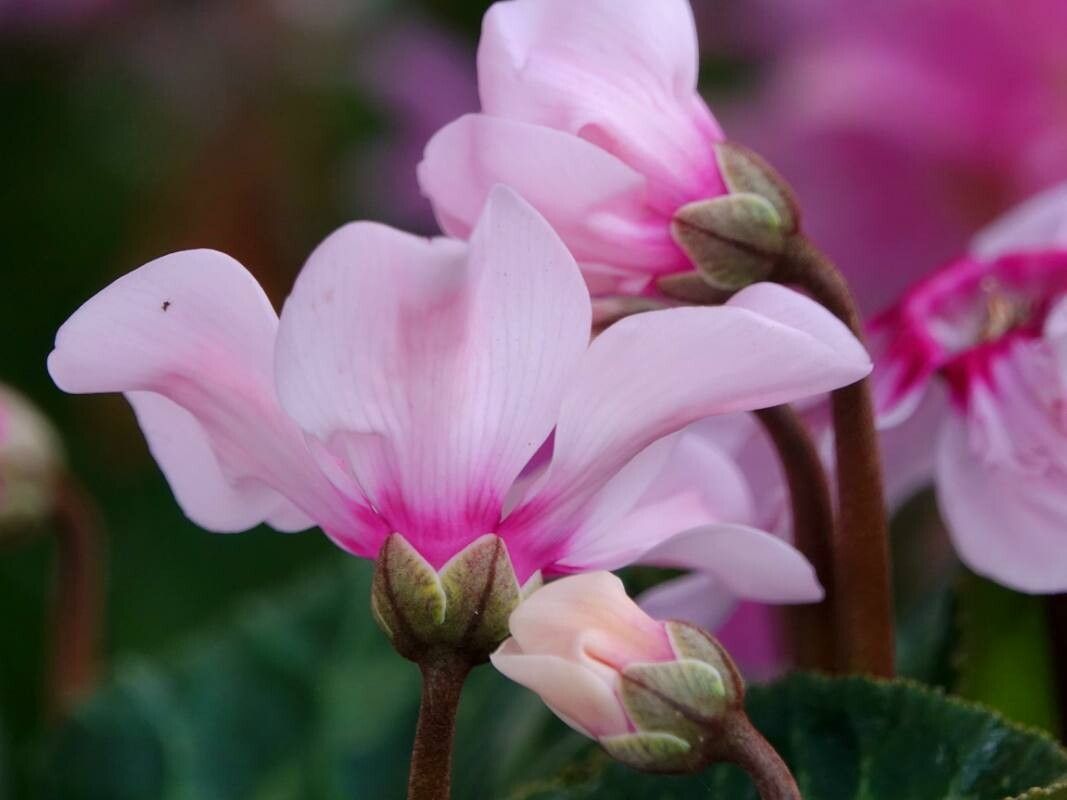
Cyclamen persicum, commonly known as Persian cyclamen, is a captivating flowering plant prized for its heart-shaped leaves with striking silver markings and elegantly upturned, vibrant blooms that range from white and pink to deep red and purple. Its long flowering season, from autumn to spring, makes it a popular choice among gardeners, adding a touch of elegance to homes and gardens. However, its propagation presents unique challenges and rewards, making it a fascinating subject for plant enthusiasts. The commercially available cultivars are often hybrids, impacting the reliability of seed propagation.
Seed Germination:
Seed germination is a viable method for propagating Cyclamen persicum, but it presents several challenges. The seeds require a period of cold stratification to break dormancy. This process mimics the natural conditions experienced by the seeds in their native environment.
Challenges: Germination rates can be unpredictable, and the process often takes several weeks or even months. Fungal diseases can be a significant problem, especially in damp conditions.
Practical Tips: Sow seeds in a well-draining seed-starting mix at a depth of about twice the seed’s diameter. Pre-soaking (for 24 hours) before sowing can be beneficial. Stratification is crucial; place the sown seed trays in a refrigerator (around 4°C/39°F) for 6-8 weeks before transferring them to warmer (18-21°C / 64-70°F) conditions with ample, indirect light. Maintain consistently moist but not soggy conditions. Use a fungicide as a preventative measure.
Rewards: Successfully germinated seeds offer the possibility of obtaining genetically diverse plants, potentially leading to unique variations. Seed propagation is also well-suited to large-scale propagation for commercial use.
Cuttings:
Currently, there are no known reliable methods for propagating Cyclamen persicum from cuttings. The plant’s physiology does not lend itself to vegetative propagation through this method.
Division:
Division is also not a practical propagation method for Cyclamen persicum. The plant does not form easily separable tubers or crowns suitable for division.
Tissue Culture:
Tissue culture is a viable, albeit complex and specialized method for propagating Cyclamen persicum.
Challenges: This technique requires a sterile lab environment, specialized equipment, and a high level of expertise. The process is expensive and time-consuming.
Practical Tips: This method involves growing plantlets from small pieces of plant tissue, typically from the shoot apex or leaf. Specialized growth media and plant hormones are required. Sterility is paramount to prevent contamination by fungi or bacteria.
Rewards: Tissue culture allows for rapid and large-scale propagation of genetically identical plants, preserving desirable traits and ensuring uniformity.
Conclusion:
Propagating Cyclamen persicum presents unique challenges depending on the method employed. While seed germination offers genetic diversity but requires patience and careful attention, tissue culture is a reliable, albeit technically demanding, method capable of mass production. Cuttings and division prove wholly ineffective. Successfully propagating this beautiful plant, regardless of the method chosen, brings a deep sense of accomplishment. The effort involved is rewarded by the joy of nurturing these plants from seed or tissue to maturity, leading to a vibrant display of elegant blooms. For beginners, seed propagation, while challenging, represents an achievable, albeit potentially less predictable, entry point into this rewarding endeavor. Don’t be discouraged by initial setbacks; the beauty of the resulting flowers makes the effort worthwhile.