
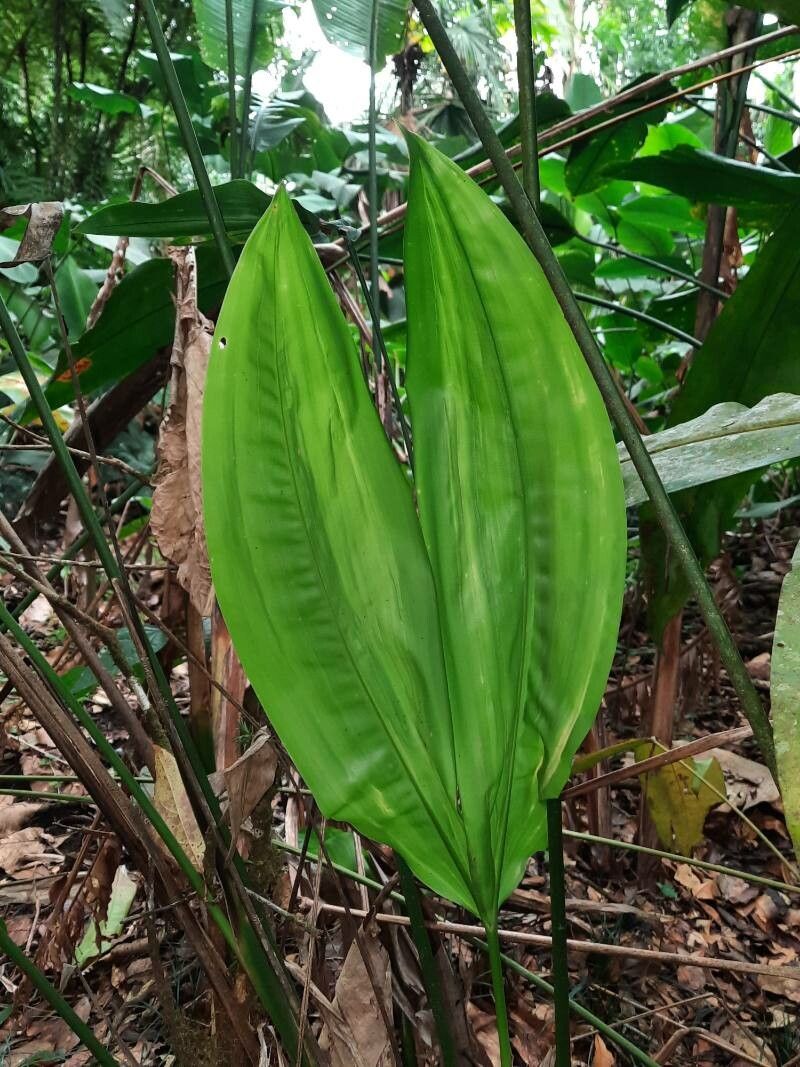
Unveiling the Secrets to Propagating the Unique Cyclanthus bipartitus
Have you ever laid eyes on the mesmerizing Cyclanthus bipartitus, also known as the “Panama Hat Palm”? This unique plant, with its striking spiky leaves and unusual growth habit, is a true conversation starter. But beyond its visually captivating appearance lies a fascinating world of propagation. While not a true palm, this plant offers a myriad of benefits, including its ability to filter air and its striking foliage adding a tropical touch to any space.
Today, we’ll delve into the captivating world of Cyclanthus bipartitus propagation, guiding you through the steps to create new plants and expand the beauty of this extraordinary species.
Understanding the Basics
Cyclanthus bipartitus can be propagated using two primary methods:
Seeds: This is the most common and accessible way to propagate this plant. The seeds are typically black, round, and somewhat resemble mini-golf balls. Once collected, sow these seeds in a well-draining potting mix, keeping them consistently moist. Germination can take anywhere from a few weeks to several months, so patience is key.
- Division: The second method involves dividing established plants. This is best done during the spring or early summer when the plant is actively growing. Carefully separate the plant into smaller clumps, ensuring each section has at least a few healthy roots. Repot these divisions in fresh potting mix, and keep them in a warm, humid location until they establish themselves.
Essential Tips for Success
- Choose the Right Time: Propagation is best done in the spring or early summer when the plant is actively growing.
- Prepare Your Growing Medium: Use a well-draining potting mix suitable for tropical plants.
- Provide Adequate Moisture: Keep the growing medium consistently moist, but avoid over-watering, which can lead to root rot.
- Maintain Humidity: Cyclanthus bipartitus thrives in humid environments. You can increase humidity by placing the pot on a tray filled with pebbles and water, or misting the leaves regularly.
- Provide Warm Temperatures: This plant loves warm temperatures. If growing indoors, maintain a temperature around 70-80°F (21-27°C).
- Provide Adequate Light: Indirect sunlight is best for Cyclanthus bipartitus. Avoid direct sunlight, which can burn the leaves.
- Be Patient: Propagation can take time. Don’t give up if you don’t see results immediately.
Troubleshooting Common Challenges
- Slow Germination: Be patient! Seed germination can take several weeks or even months.
- Root Rot: Ensure proper drainage to prevent waterlogging and subsequent root rot.
- Pest Problems: Regularly check your plants for pests such as mealybugs and scale.
- Leaf Yellowing: This can indicate overwatering, underwatering, or nutrient deficiency. Check the soil moisture and water accordingly.
Beyond the Basics: Propagation Techniques & Considerations
- Air Layering: This technique can be used for plants that are difficult to root directly from cuttings.
Tissue Culture: This advanced method involves growing plants from small pieces of tissue in a sterile environment. This technique is typically used for commercial propagation.
Enriching Your Indoor Oasis
By confidently applying these propagation tips, you can create a vibrant and thriving Cyclanthus bipartitus, adding a touch of tropical elegance to your home or garden. While this plant might appear exotic, its propagation is achievable even for beginners with a little patience and care. So, grab your gardening gloves, embark on this intriguing propagation journey, and unlock the beauty of your very own “Panama Hat Palm.”