
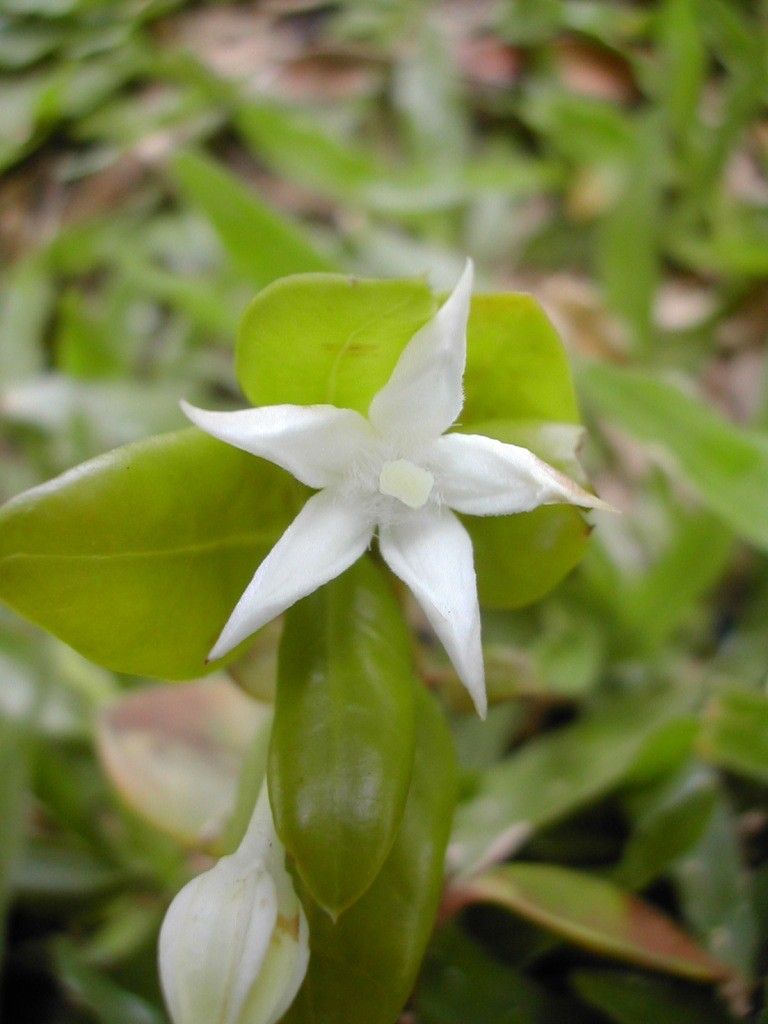
Unveiling the Secrets of Cyclophyllum subulatum Propagation: A Guide for Plant Enthusiasts
Cyclophyllum subulatum, a lesser-known gem of the plant world, enchants with its glossy leaves and intriguing growth habit. Native to the rainforests of Eastern Australia, this evergreen shrub thrives in warm, humid environments. While acquiring a mature plant is one route, wouldn’t it be more rewarding to propagate your own? This comprehensive guide delves into the techniques of successfully propagating Cyclophyllum subulatum, empowering you to expand your plant family.
Two Roads to Propagation:
While propagation from seed is possible, Cyclophyllum subulatum can be a bit temperamental in this regard. Thus, we’ll focus on the more reliable method: propagation from cuttings.
1. The Art of Taking Cuttings:
- Timing is Key: Spring and early summer, when the plant is actively growing, offer the highest chances of success.
- Choosing the Right Cuttings: Select healthy, semi-mature stems that are still flexible but have started to harden slightly. Ideally, aim for cuttings around 10-15 cm (4-6 inches) long.
- Making the Cut: Using clean, sharp pruning shears or a sharp knife, make a cut just below a leaf node (the point where a leaf emerges from the stem).
- Preparing the Cutting: Remove the lower leaves from the cutting, leaving 2-3 leaves at the top. This minimizes water loss and encourages root development.
2. Creating the Ideal Rooting Environment:
- Potting Mix: A well-draining, airy mix is crucial. A blend of peat moss, perlite, and vermiculite in equal parts works well.
- Hormone Power: While optional, dipping the cut end of the stem in rooting hormone powder can significantly improve the success rate.
- Planting the Cutting: Make a small hole in the potting mix and gently insert the bottom part of the cutting. Firm the soil around it.
3. Patience is a Virtue: Nurturing New Roots
- Humidity is Key: Create a humid microclimate by covering the pot with a clear plastic bag or using a propagation dome. This traps moisture and encourages root development.
- Warmth and Light: Place the pot in a warm, brightly lit location, but out of direct sunlight.
- Watering Wisely: Keep the soil consistently moist but not waterlogged. Overwatering can lead to rot.
4. Signs of Success and Transplanting
- Root Development: After 4-6 weeks, gently tug on the cutting. Resistance indicates roots have formed.
- Transplanting: When the roots have developed substantially, transplant the cutting into a slightly larger pot with a well-draining potting mix.
Propagating Cyclophyllum subulatum: A Rewarding Endeavor
Propagating your own Cyclophyllum subulatum might seem daunting at first, but with a little patience and care, it’s an achievable feat. The satisfaction of watching a new plant thrive from a simple cutting is truly rewarding. So, why not give it a try?
Remember: This is a general guide. Factors like your local climate and individual plant variations can influence the success rate. Don’t be afraid to experiment and adapt your approach—it’s all part of the rewarding journey of plant propagation!