
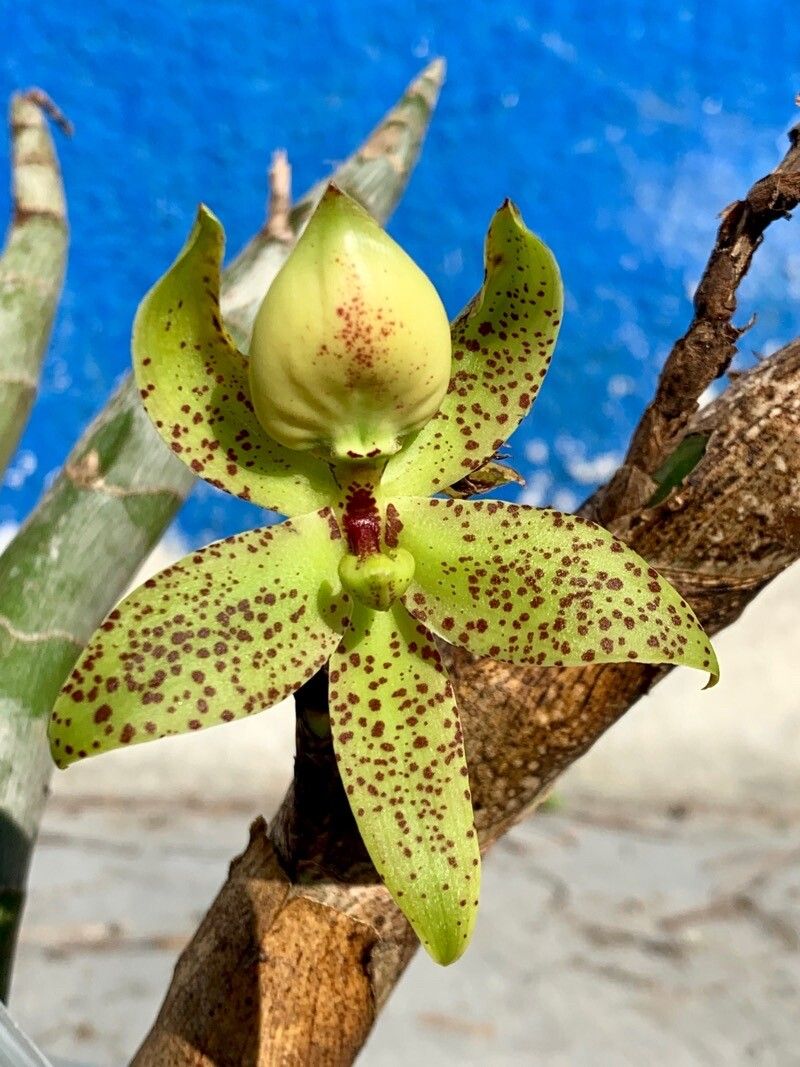
Propagating the Swan Orchid: A Guide to Cycnoches egertonianum
Introduction:
Cycnoches egertonianum, commonly known as the Swan Orchid, is a captivating epiphytic orchid renowned for its dramatically sculpted, swan-like flowers. These flowers, often exhibiting a striking contrast of colours, are the hallmark of this species, making it highly sought after by orchid enthusiasts. Its unique characteristic of producing male and female flowers on separate inflorescences adds to its fascination and complexity. Propagating Cycnoches egertonianum, however, presents a unique set of challenges, making successful cultivation all the more rewarding.
Seed Germination:
Currently, there are no known reliable methods for seed germination propagation of Cycnoches egertonianum. Orchid seeds are notoriously tiny and lack endosperm, requiring symbiotic relationships with mycorrhizal fungi for germination. Establishing this symbiotic relationship in a controlled environment is extremely difficult, even for experienced orchid propagators. While some success might be achieved in specialist laboratories with advanced tissue culture techniques, it’s not a feasible method for the average home grower.
Cuttings:
Cuttings are generally not a viable method for propagating Cycnoches egertonianum. Unlike some other orchids, this species does not readily produce adventitious roots from stem cuttings. Attempts at propagation through cuttings typically result in failure due to the lack of sufficient meristematic tissue to initiate new growth.
Division:
Division is the most practical and successful method for propagating Cycnoches egertonianum. This involves carefully separating the mature plant into smaller sections, each containing a sufficient number of pseudobulbs and healthy roots.
Challenges: Successfully dividing Cycnoches egertonianum requires careful handling to avoid damaging the delicate roots. The plant should be divided only when it’s actively growing and sufficiently mature to withstand the stress of division. Improper division can lead to stress, rotting, and the death of the plant sections.
Practical Tips: The best time to divide is after flowering, during the active growth phase. Use a sharp, sterilized knife or shears to cleanly sever the rhizome, ensuring each division has several pseudobulbs and a good root system. Plant each division in a well-draining medium, such as a bark-based orchid mix, and ensure consistent moisture without overwatering.
Rewards: Division offers a relatively straightforward and reliable method for increasing the number of plants, preserving the clonal characteristics of the parent plant, and ensuring rapid growth in the resulting divisions.
Tissue Culture:
Tissue culture offers the potential for large-scale propagation of Cycnoches egertonianum and the production of virus-free plants. This method involves growing plant tissues in a sterile nutrient medium under controlled conditions.
Challenges: Tissue culture requires specialized equipment, a clean laboratory environment, and expertise in sterile techniques. The process is complex and time-consuming, requiring significant investment in materials and training.
Practical Tips: This method is best left to experienced professionals or specialized laboratories. Proper sterilization, the selection of appropriate growth media, and precise monitoring of environmental factors are crucial for success.
Rewards: Tissue culture offers the ability to rapidly propagate a large number of genetically identical plants, which is ideal for commercial production or for conservation purposes.
Conclusion:
Propagating Cycnoches egertonianum presents challenges, particularly regarding seed germination and cuttings. Division remains the most practical approach for home growers, while tissue culture offers high-volume propagation opportunities for commercial ventures or conservation efforts. The rewards, however, are significant. The satisfaction of successfully nurturing a section from a mature plant into a thriving individual, bearing its own characteristic swan-like blooms, is a testament to the grower’s skill and patience. For aspiring propagators, patience, careful technique, and a thorough understanding of the plant’s needs are key to success. Don’t be discouraged by initial setbacks—the beauty of the resulting orchid blossoms is a worthy reward for the effort expended.