
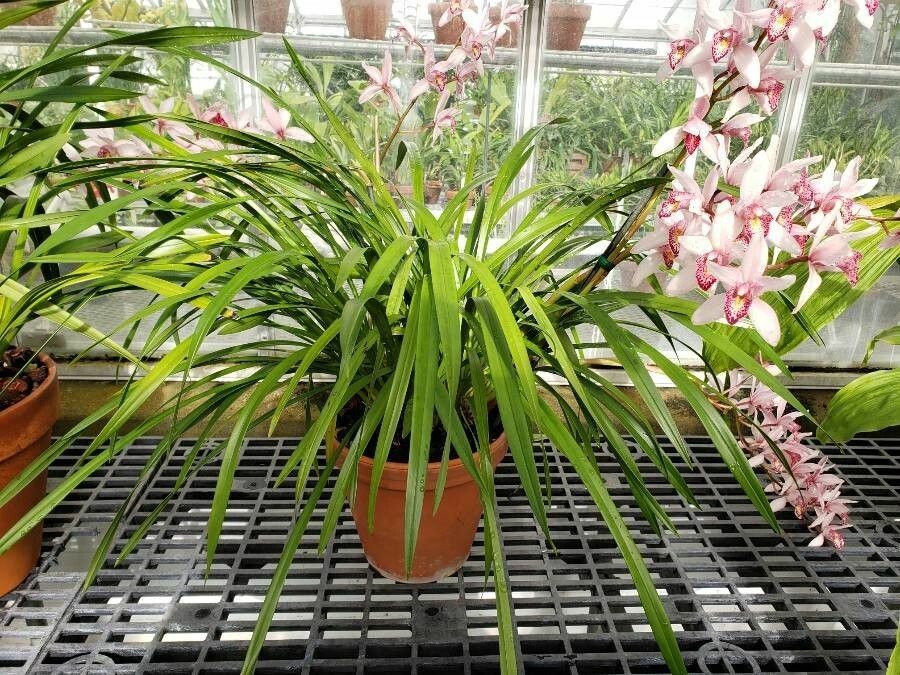
Propagating Cymbidium erythrostylum: A Gardener’s Guide
Introduction:
Cymbidium erythrostylum, also known as the Red-column Cymbidium, is a captivating orchid species prized for its striking crimson-red column and delicately speckled flowers. Native to the Himalayas, this species boasts a unique horticultural significance due to its contribution to hybrid Cymbidium breeding, particularly for rich color infusions. Its relative rarity and the challenge of propagation contribute to its desirability among orchid enthusiasts. While not as widely cultivated as some other Cymbidium species, its beauty and the intrigue of its propagation make it a rewarding challenge for experienced growers.
Seed Germination:
Currently, there are no known reliable methods for seed germination propagation of Cymbidium erythrostylum. Orchid seeds are famously minute and lack endosperm, relying on symbiotic relationships with mycorrhizal fungi for germination. Establishing this crucial fungal relationship in a controlled environment for this specific species has proven exceptionally difficult.
Cuttings:
Cuttings are not a viable method for propagating Cymbidium erythrostylum. Unlike some other plants, orchids do not readily regenerate from stem or leaf cuttings.
Division:
Division is the most reliable method for propagating Cymbidium erythrostylum. This involves carefully separating mature pseudobulbs (swollen stem bases) with attached roots from the mother plant.
Challenges: Successfully dividing Cymbidium erythrostylum requires patience and precision. Overly aggressive division can severely weaken or even kill the mother plant and the divisions. Mature plants with abundant pseudobulbs are necessary for successful division. Each divided section should ideally possess several healthy pseudobulbs and a robust root system.
Practical Tips: Sharp, sterilized tools are crucial to prevent disease transmission. Divide the plant during the period of active growth (often spring or after flowering). Repot the divisions into a well-draining orchid potting mix, ensuring that the base of the pseudobulbs is slightly above the soil level to prevent rot. Provide consistent moisture and humidity in a shaded environment until new growth appears.
Rewards: Division offers a relatively straightforward method to increase the number of plants, preserving the specific genetic characteristics of the mother plant.
Tissue Culture:
Tissue culture offers the potential for large-scale propagation of Cymbidium erythrostylum, overcoming the limitations of other methods.
Challenges: Tissue culture requires specialized equipment, sterile conditions, and a detailed understanding of plant hormone application. Establishing optimal culture conditions for this specific species may require considerable experimentation. Contamination risk is high.
Practical Tips: Experienced tissue culture laboratories possessing expertise in orchid propagation are necessary for successful results. Utilizing meristematic tissue (actively growing tip of a stem or root) is critical for achieving high success rates. Careful selection of growth media and hormone ratios is crucial for optimal shoot and root development.
Rewards: Tissue culture allows for the rapid multiplication of elite clones, preserving desirable characteristics and facilitating large-scale production for commercial or conservation purposes.
Conclusion:
Propagating Cymbidium erythrostylum presents significant challenges. While seed germination is currently impractical, division is the most accessible method for hobbyists, though requiring careful technique to avoid harming the plants. Tissue culture offers the potential for large-scale propagation but requires substantial expertise and resources. The rewards, however, are substantial: the ability to share the beauty of this rare orchid, contribute to its preservation, and experience the immense satisfaction of successfully cultivating this challenging yet rewarding species. For aspiring propagators, patience, precision, and a willingness to learn are paramount. Success requires diligent research, meticulous practices, and the acceptance that setbacks are part of the learning process. The beauty of a blooming Cymbidium erythrostylum more than compensates for the effort invested.