
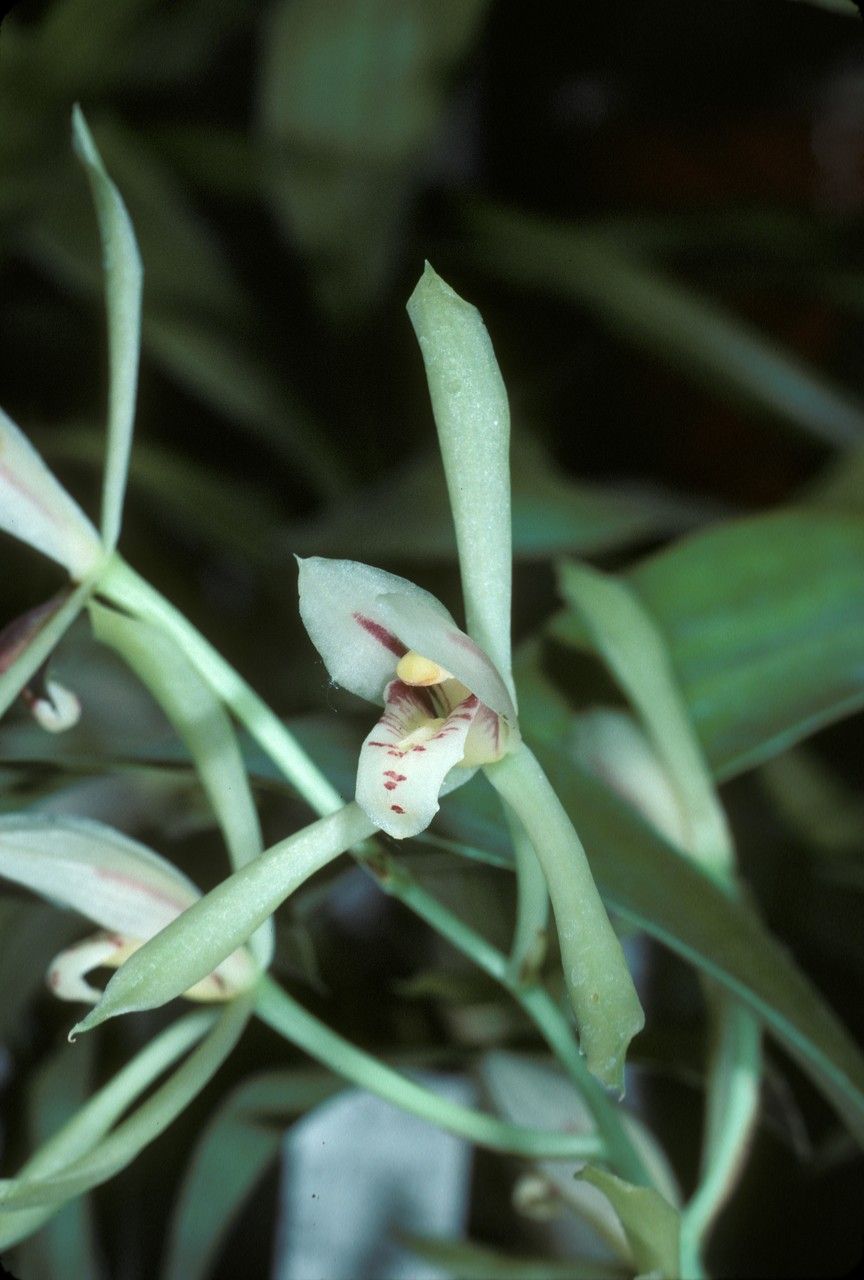
Unveiling the Secrets: Propagating the Exquisite Cymbidium lancifolium
The Cymbidium lancifolium, with its elegant foliage and charming blooms, is a true gem among orchids. While often admired for its beauty, many enthusiasts shy away from propagating this terrestrial orchid, fearing it to be a complex process. But fear not! With a little patience and the right knowledge, you too can multiply your Cymbidium lancifolium and share the joy of this exquisite plant.
Unlike many of its epiphytic cousins, the Cymbidium lancifolium grows in the ground, making its propagation methods more akin to traditional terrestrial plants. Let’s explore the two most common approaches:
1. Division:
The most straightforward and often most successful method is division. This involves separating mature, healthy plants that have multiple growths or pseudobulbs. Here’s a step-by-step guide:
- Timing is Key: The best time for division is during spring, just as new growth emerges.
- Gentle Separation: Carefully remove the plant from its pot and gently disentangle the root system. Look for natural divisions between pseudobulbs, each with its own healthy root system.
- Tools of the Trade: Use a clean, sharp knife or pair of pruning shears to separate the divisions.
- Potting the Divisions: Prepare individual pots slightly larger than the divisions, using a well-draining orchid potting mix. Plant each division at the same depth it was originally growing, ensuring the base of the pseudobulbs sits slightly above the soil line.
- Patience is a Virtue: Water sparingly after potting and place the newly divided plants in a warm, shaded location. Avoid direct sunlight until new growth appears, signaling successful establishment.
2. Backbulb Propagation:
For the more adventurous propagator, backbulb propagation offers an alternative, albeit slower, method. This technique utilizes older, leafless pseudobulbs to generate new plantlets. Here’s what you need to know:
- Selecting Backbulbs: Choose plump, healthy backbulbs without any signs of disease or damage.
- Creating the Ideal Environment: Prepare a shallow tray or pot with a moist, well-draining medium like sphagnum moss or a fine orchid bark mix.
- Positioning for Success: Place the backbulbs horizontally on the surface of the medium, ensuring the smooth side faces upwards.
- Warmth and Humidity: Cover the tray with a transparent lid or plastic wrap to create a humid environment. Place the setup in a warm, shaded location, away from direct sunlight.
- The Waiting Game: This method demands patience. It may take several months for new growth to appear. Once the plantlets develop roots and leaves, they can be carefully separated and potted individually.
Essential Tips for Success:
- Hygiene Matters: Always use sterilized tools and pots to prevent the spread of diseases.
- Right Potting Mix: Cymbidium lancifoliums thrive in a well-draining orchid mix that retains some moisture but doesn’t become soggy.
- Light and Location: These orchids prefer bright, indirect light. Avoid direct sunlight, especially during the hottest part of the day.
- Watering Wisely: Water thoroughly when the potting mix is nearly dry. Avoid overwatering, which can lead to root rot.
Propagating your Cymbidium lancifolium might seem daunting at first, but it’s a rewarding endeavor that allows you to multiply your plant collection and share the beauty of these orchids with others. So, embrace the challenge and enjoy the process of nurturing new life from your existing plants!