
Propagating the Giant Orchid: A Guide to Cymbidium lowianum
Introduction:
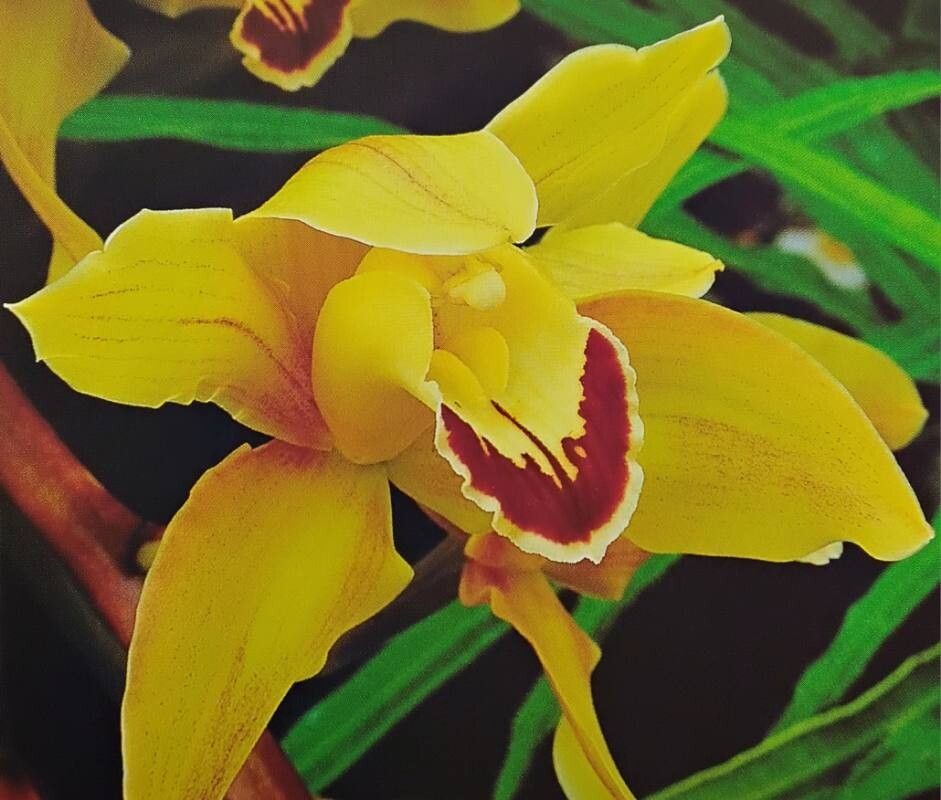
Cymbidium lowianum, also known as the Low’s Cymbidium, is a majestic orchid species native to the Himalayas. Its large, pendulous inflorescences, bearing numerous fragrant flowers in shades of creamy yellow-green to brownish-red, make it a prized possession among orchid enthusiasts. The impressive size of its flowers and the plant itself, coupled with its relatively easy cultivation (compared to some other Cymbidium species), contributes to its popularity. However, propagation can present some unique challenges. This guide explores several methods for propagating this striking orchid.
Seed Germination:
Currently, there are no known reliable methods for seed germination propagation of Cymbidium lowianum. Orchid seeds are famously minute and lack endosperm (the nutritive tissue that sustains the embryo), requiring a symbiotic relationship with specific mycorrhizal fungi for germination. Establishing this symbiotic relationship in a controlled environment is exceptionally difficult, even with advanced lab techniques, and remains largely unsuccessful for this species.
Cuttings:
Cuttings are not a viable method for propagating Cymbidium lowianum. Unlike some plants that can regenerate from stem or leaf cuttings, Cymbidiums do not readily produce roots from vegetative cuttings.
Division:
Division is the most practical and successful method for propagating Cymbidium lowianum. This involves carefully separating the mature plant into several smaller divisions, each containing multiple pseudobulbs and roots.
Challenges: The main challenge lies in ensuring each division has a sufficient root system to establish itself independently. Divisions with too few roots are prone to failure.
Practical Tips: Divide the plant during its dormant period (usually after flowering). Use a sharp, sterile knife or shears to minimize damage. Each division should contain at least three to five mature pseudobulbs with attached roots. Pot the divisions in a well-draining orchid potting mix, providing adequate support until they become established.
Rewards: Division is relatively straightforward, offering a reliable way to increase the number of plants. The resulting plants are genetically identical to the parent plant, ensuring preservation of desirable traits.
Tissue Culture:
Tissue culture is a viable, albeit more technically demanding, method for propagating Cymbidium lowianum. This method involves growing plant tissues in a sterile, nutrient-rich medium under controlled conditions.
Challenges: Establishing a sterile environment and maintaining optimal growth conditions require specialized equipment and expertise. Contamination from bacteria or fungi can easily ruin an entire culture. The initial setup cost can be significant.
Practical Tips: Sterile techniques are paramount. The use of a laminar flow hood is highly recommended. Proper selection of the culture medium, growth regulators, and temperature are critical for successful propagation.
Rewards: Tissue culture allows for large-scale propagation, producing a significant number of genetically identical plants from a single source. It’s also an effective method for disease elimination and the preservation of rare clones.
Conclusion:
Propagating Cymbidium lowianum presents unique challenges depending on the chosen method. Seed germination is currently impractical, and cuttings are not viable. Division offers a relatively easy and reliable method for home growers, while tissue culture is best suited for professionals or enthusiasts with the necessary resources and expertise. The rewards, however, are significant. Successfully propagating this magnificent orchid, whether through division or advanced tissue culture, provides immense satisfaction, underscoring the dedication and skill involved in nurturing these remarkable plants. Don’t be discouraged by the challenges; the beauty and fragrance of a successfully propagated Cymbidium lowianum are a more than worthwhile reward for the effort invested. Start with division, and if your ambition extends to tissue culture, consider seeking guidance from experienced orchid growers or reputable laboratories.