
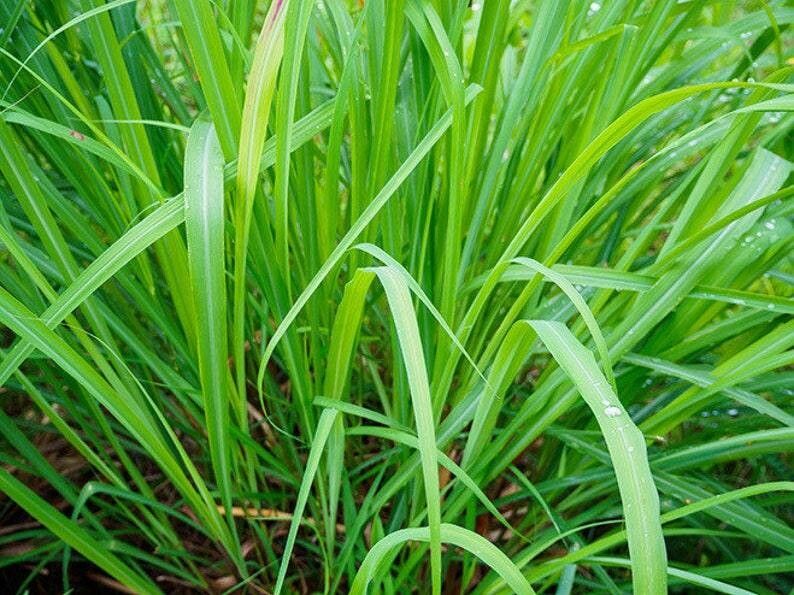
Unlocking the Aromatic Secrets: Propagating Your Own Palmarosa (Cymbopogon martini)
Palmarosa (Cymbopogon martini), with its captivating rose-geranium aroma and beautiful pink blooms, isn’t just a feast for the senses – it also boasts a wealth of therapeutic benefits. While essential oil might be the most common way to enjoy palmarosa, why not invite this fragrant herb into your garden or home? Propagating your own Cymbopogon martini is surprisingly accessible, even for beginners. This guide will delve into the exciting world of palmarosa propagation, empowering you to cultivate this remarkable plant.
Two Paths to Palmarosa Paradise: Seeds vs. Division
When it comes to propagating Cymbopogon martini, you have two primary options, each with its own advantages:
1. Sowing the Seeds of Success:
Starting palmarosa from seed is a rewarding experience, albeit a bit more time-consuming. Here’s how:
- Source Your Seeds: Reputable online vendors and specialized nurseries are your best bet for acquiring high-quality palmarosa seeds.
- Prime Time for Planting: Spring is ideal, as the soil warms up and welcomes new life.
- Soil Savvy: Use a well-draining seed starting mix to prevent damping off (a fungal disease that affects seedlings).
- Shallow Sowing: Sprinkle seeds lightly on the soil surface and barely cover them. Palmarosa seeds need light to germinate.
- Warmth and Moisture: Maintain a consistent temperature around 70-75°F (21-24°C) and keep the soil consistently moist but not waterlogged.
- Patience, Young Padawan: Germination can take anywhere from 10 days to several weeks.
- Transplanting Time: Once seedlings develop a few sets of true leaves and are sturdy enough to handle, transplant them into individual pots or your garden bed.
2. Dividing and Conquering:
For a head start and quicker results, dividing an established palmarosa plant is highly effective:
- Division Timing: Spring or early fall provide ideal conditions for plant division.
- Gentle Excavation: Carefully dig around the base of a healthy palmarosa plant, ensuring you lift a good portion of the root system.
- Sharp Division: Using a clean, sharp knife or garden shears, divide the plant into sections, ensuring each section has a healthy amount of roots and shoots.
- Replanting: Place each division into a pot or directly into your garden, ensuring the soil level is even with the original soil line. Water thoroughly.
Essential Tips for Palmarosa Prosperity:
No matter your chosen propagation method, these tips will help your palmarosa flourish:
- Sun-Kissed Location: Palmarosa thrives in full sun, so choose a location that receives at least 6 hours of direct sunlight daily.
- Well-Drained Soil: Use loose, fertile soil with good drainage to prevent root rot.
- Water Wisely: While palmarosa enjoys moist soil, avoid overwatering. Allow the soil to dry slightly between waterings.
- Fertilize Regularly: During the growing season (spring and summer), feed your palmarosa with a balanced fertilizer every 4-6 weeks.
- Pruning Power: Pinch back the tips of young plants to encourage bushier growth and remove any dead or dying foliage.
Enjoy the Fruits (or Rather, the Scents) of Your Labor:
Propagating your own palmarosa is a rewarding endeavor that allows you to connect with this incredible plant on a deeper level. With a bit of patience and care, you’ll be able to enjoy the captivating aroma, beautiful blooms, and potential therapeutic properties of your very own Cymbopogon martini right at home!