
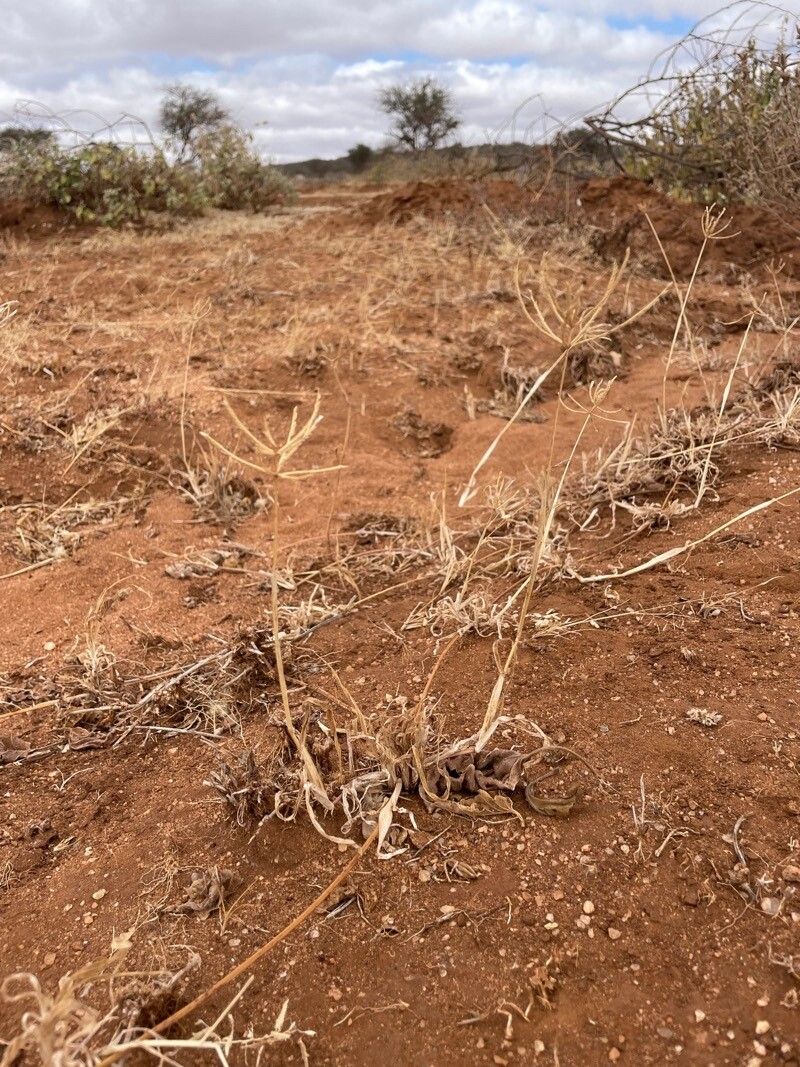
Taming the Wild: Propagating Stargrass (Cynodon plectostachyus) for a Lush Lawn
Stargrass (Cynodon plectostachyus), also known as Giant Stargrass, is a popular warm-season grass known for its vigorous growth, drought tolerance, and attractive star-shaped seed heads. While often admired for its ability to thrive in challenging conditions, many wonder about the best ways to propagate this resilient grass. Whether you’re looking to establish a new lawn or expand an existing one, understanding the different propagation methods for Stargrass will set you on the path to success.
Seeding the Future: Starting Stargrass from Seed
Starting Stargrass from seed is a cost-effective option, especially for large areas. However, keep in mind that seed germination can be slow and uneven compared to vegetative propagation methods.
Here’s what you need to know:
- Timing is Everything: Sow Stargrass seeds in late spring or early summer when soil temperatures are consistently warm (above 70°F).
- Prepare the Seedbed: Choose a sunny location with well-drained soil. Loosen the top few inches of soil and remove any weeds or debris.
- Sowing the Seeds: Broadcast the seeds evenly over the prepared area, aiming for a rate of 3-4 pounds per 1000 square feet. Lightly rake the seeds into the soil, ensuring good seed-to-soil contact.
- Water Wisely: Keep the seedbed consistently moist but not waterlogged until germination occurs, which can take 2-3 weeks.
- Patience is Key: Be patient! It can take several months for a newly seeded Stargrass lawn to fully establish.
The Power of Division: Propagating Stargrass through Vegetative Methods
For faster establishment and to ensure genetic uniformity, vegetative propagation methods are preferred.
Here are two effective approaches:
1. Sprigging:
- Sprigs are sections of stolons (above-ground stems) or rhizomes (underground stems) containing nodes and buds.
- Purchase certified disease-free sprigs from reputable suppliers.
- Plant the sprigs 6-8 inches apart in shallow furrows, ensuring the nodes are in contact with the soil.
- Water thoroughly and keep the area moist until the sprigs root and new growth appears.
2. Plugging:
- Plugs are small sections of established Stargrass sod containing roots and shoots.
- Plant plugs 6-12 inches apart, depending on the desired density and the time you’re willing to wait for the lawn to fill in.
- Water thoroughly and maintain adequate moisture during the establishment period.
Nurturing Your New Stargrass: Essential Care Tips
Regardless of the propagation method you choose, providing proper care is crucial for establishing a healthy and thriving Stargrass lawn. Here are some essential tips:
- Watering: Water deeply and infrequently to encourage deep root development.
- Fertilizing: Apply a balanced fertilizer according to soil test recommendations.
- Mowing: Mow regularly to maintain a height of 1-2 inches, using a sharp mower blade.
- Weed Control: Address weeds promptly to prevent competition with your young Stargrass.
By following these propagation and care techniques, you can successfully cultivate a beautiful and resilient Stargrass lawn that will be the envy of the neighborhood.