
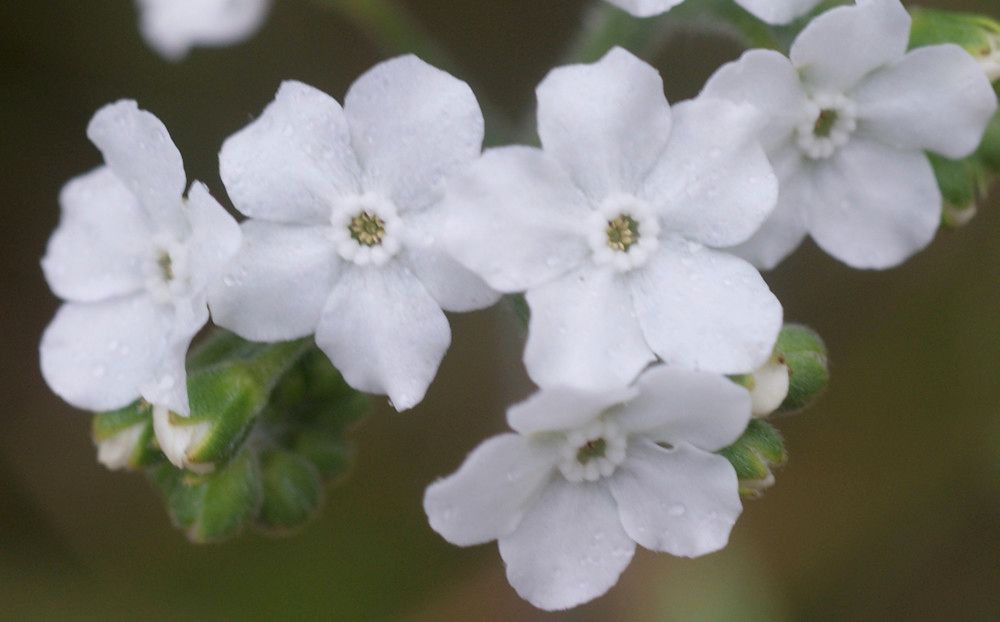
Taming the Wild Beauty of Nodding Hound’s Tongue: A Propagation Guide
Cynoglossum cernuum, commonly known as Nodding Hound’s Tongue, is a captivating wildflower that graces meadows and woodlands with its elegant presence. Its drooping clusters of delicate, blue-violet flowers resemble a hound’s tongue, hence the charmingly peculiar name. If you’re looking to invite this touch of whimsical beauty into your own garden, propagation is the key!
This guide will delve into the best practices for successfully propagating Cynoglossum cernuum:
Method 1: Sowing from Seed
- Timing is Key: The ideal time to sow Nodding Hound’s Tongue seeds is in the fall, shortly after they ripen. Fall sowing mimics the plant’s natural life cycle and allows for cold stratification, which helps break seed dormancy.
- Sowing Technique: Choose a well-drained spot in your garden that receives partial shade to full sun. Sow the seeds directly on the soil surface, gently pressing them in. Don’t bury them too deep, as light aids germination.
- Patience is a Virtue: Germination can be slow, sometimes taking several months. Keep the soil consistently moist but not waterlogged.
Method 2: Division of Mature Plants
- The Right Time: Early spring, just before new growth emerges, is the best time to divide Cynoglossum cernuum.
- Divide and Conquer: Carefully dig up a healthy, mature plant. Using a sharp, clean knife or garden spade, divide the rootball into sections, ensuring each section has a healthy amount of roots and shoots.
- Replanting: Replant the divisions at the same depth they were originally growing, spacing them about 12-18 inches apart. Water thoroughly.
Caring for Your New Plants:
Whether you’ve started your Nodding Hound’s Tongue from seed or division, similar care principles apply:
- Light: While Cynoglossum cernuum can tolerate full sun, it prefers dappled shade, especially in warmer climates.
- Soil: This wildflower thrives in well-drained soil that is moderately fertile.
- Water: Regular watering is crucial, especially during the first year after planting. Allow the soil to dry slightly between waterings to prevent root rot.
- Pests and Diseases: Generally, Nodding Hound’s Tongue is a resilient plant. However, be mindful of potential threats like slugs and powdery mildew, especially in humid conditions.
A Note of Caution:
Remember, Cynoglossum cernuum is a prolific self-seeder. While this can be a boon for expanding your wildflower patch, it’s advisable to deadhead spent flowers if you want to control its spread.
By following these propagation techniques and care guidelines, you can successfully introduce the enchanting beauty of Nodding Hound’s Tongue to your garden while ensuring its continued thriving for seasons to come.