
Taming the Wild Tongue: Propagating Cynoglossum pustulatum
Cynoglossum pustulatum, the charismatic California Hound’s Tongue, is a wildflower harboring a captivating beauty that often tempts gardeners to invite it into their landscapes. This native Californian, with its sprays of small, deep blue flowers and velvety leaves, certainly makes a statement. But taming this wildflower isn’t as simple as digging one up and transplanting it. These beauties prefer to stay rooted. So how can you welcome more of them into your garden? The answer lies in the art of propagation.
Seeds: Embracing the Journey of Patience
The most reliable way to propagate Cynoglossum pustulatum is through its seeds, a process that requires a dash of patience and a sprinkle of understanding. Here’s a breakdown:
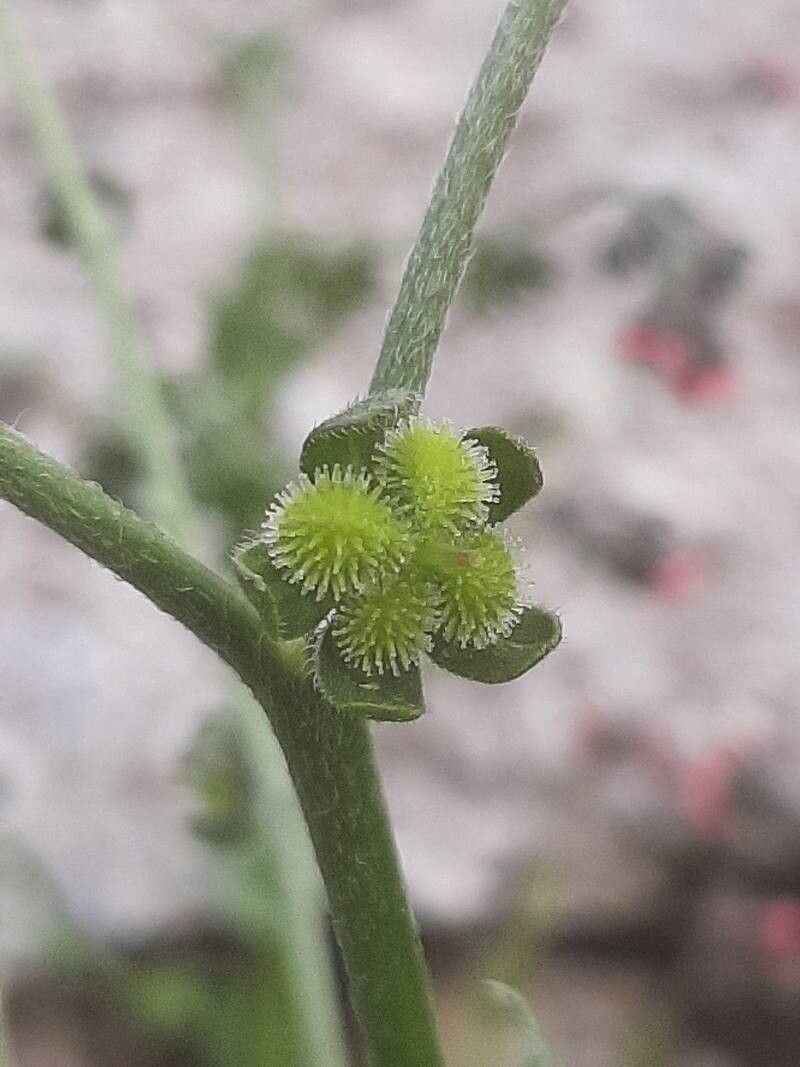
- Seed Collection: Look for the plant’s unique nutlets, small, prickly fruits that contain the seeds. Collect them in late summer or early fall when they turn from green to brown.
- Stratification (Nature’s Power Nap): Cynoglossum pustulatum seeds need a period of cold stratification to mimic their natural winter dormancy. Place the seeds in a moist paper towel, seal them in a plastic bag, and store them in the refrigerator for 6-8 weeks.
- Sowing: In late winter or early spring (or after stratification), sow the seeds directly into the garden or in pots. Choose a spot with well-draining soil and partial shade to full sun exposure.
- Tender Loving Care: Keep the soil consistently moist but not waterlogged. Seedlings should emerge in a few weeks.
Cuttings: Exploring an Alternative Route
While not as reliable as seed propagation, taking cuttings from Cynoglossum pustulatum is possible, though it requires precise timing and a bit more finesse:
- Timing is Key: The best time to take cuttings is in the early spring when the plant is actively growing, ideally before flower buds appear.
- Selecting the Cutting: Choose a healthy, non-flowering stem. Use a sharp, clean knife to cut a 4-6 inch section just below a leaf node.
- Encouraging Roots: Remove the lower leaves from the cutting and dip the cut end in rooting hormone (this increases the odds of success). Plant the cutting in a well-draining potting mix.
- Creating a Humid Environment: Cover the pot with a clear plastic bag or use a humidity dome to create a greenhouse-like environment. This helps retain moisture and promotes root development.
Nurturing Your New Additions:
Regardless of your chosen propagation method, young Cynoglossum pustulatum plants require consistent care:
- Watering: Water regularly, especially during dry periods, but avoid overwatering.
- Sunlight: While they can tolerate full sun, these plants prefer some shade, especially during the hottest part of the day.
- Soil: Ensure well-draining soil to prevent root rot.
- Pests and Diseases: These plants are generally pest-free but keep an eye out for common garden pests.
Propagating Cynoglossum pustulatum requires patience and care, but the rewards are well worth the effort. By successfully cultivating this stunning wildflower, you’ll not only add vibrant beauty to your garden, you’ll also play your part in preserving the remarkable biodiversity of California’s native flora. So, why not accept the challenge and embark on the rewarding journey of propagating this captivating plant?